
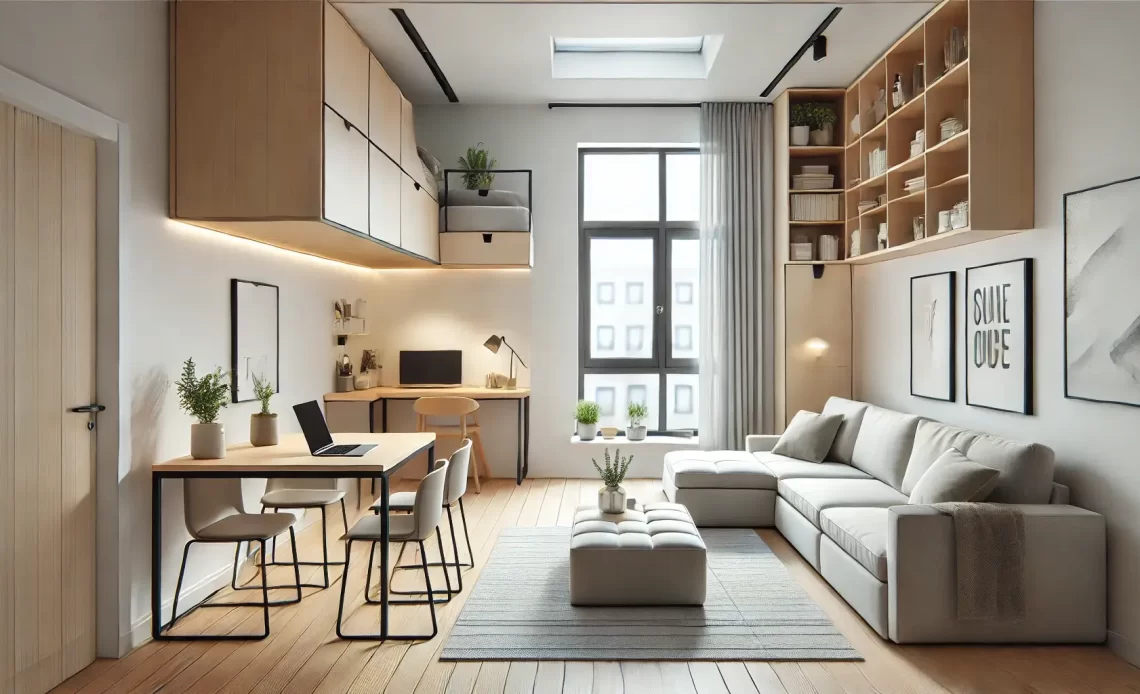
Living in a small space doesn’t mean sacrificing style or functionality. I’ve found that the key to making the most of limited square footage lies in smart furniture choices. Multifunctional pieces not only save space but also add versatility and a touch of creativity to any room.
From beds that double as storage to tables that transform into desks, these clever designs can completely change how you use your home. Whether you’re in a tiny apartment or just looking to declutter, these ideas will help you maximize every inch without compromising on comfort or design.
Why Multifunctional Furniture is Essential for Small Spaces
Maximizing every square foot becomes a priority in small spaces. Multifunctional furniture integrates multiple uses into a single piece, helping to declutter and optimize limited room.
Maximizes Floor Space
Using multifunctional furniture like sofas that convert into beds or storage ottomans frees up significant floor space. This allows for better movement and creates an open, uncluttered feeling.
Streamlines Daily Activities
Combining functionalities in one item simplifies daily routines. For instance, a dining table with extendable surfaces accommodates guests, while folding flat when only a smaller table is required.
Enhances Storage Options
Beds with built-in drawers or coffee tables with hidden compartments provide storage where traditional furniture cannot. This reduces visible clutter and keeps essentials organized.
Improves Aesthetic Versatility
Multifunctional designs often prioritize modern aesthetics. Items like wall-mounted desks that double as shelving units add functionality without compromising style or cohesion.
Supports Budget Efficiency
Purchasing one dual-purpose piece, such as a bench with hidden storage, can save money compared to buying separate items. This is cost-effective, especially in starter homes or rental spaces.
Contributes to Sustainable Living
Fewer pieces of furniture with multiple roles mean less production impact. Choosing multifunctional designs supports eco-conscious choices by reducing consumption.
Compact living demands efficient solutions. I incorporate multifunctional furniture to maximize usability while maintaining a stylish and comfortable environment.
Materials to Consider When Choosing Multifunctional Furniture
Material quality significantly impacts the durability, functionality, and style of multifunctional furniture. Assessing key material options ensures both longevity and design alignment with your space.
Wood
Hardwood, like oak or walnut, provides strength and timeless aesthetics, while plywood and MDF (medium-density fiberboard) offer affordable alternatives. Solid wood frames enhance durability, particularly in extendable tables and storage beds.
Metal
Aluminum and stainless steel are lightweight and resistant to rust, making them ideal for foldable and compact designs. Powder-coated finishes add modern appeal and protect against wear, perfect for sofa beds and modular shelving.
Glass
Tempered glass combines style and safety, featuring shatter resistance for multifunctionality in coffee tables with storage or convertible desk surfaces. Choose translucent options to create a spacious visual effect in small areas.
Upholstery and Fabrics
Leather and microfiber ensure durability and stain resistance in multifunctional sofas or ottomans. Stain-proof synthetic materials like polyester blends simplify maintenance without sacrificing comfort.
Plastic or Composite
ABS and polypropylene materials offer lightweight construction, suitable for stackable chairs or foldable tables. They are budget-friendly and available in various colors for contemporary designs.
Hybrid Combinations
Material combinations, such as wood with metal or glass with metal, enhance the structure and appearance of multifunctional furniture. For example, a wood-and-metal storage bench delivers sturdiness and industrial style.
Selecting the right material optimizes the performance of multifunctional designs while complementing both interior style and practical needs.
10 Multifunctional Furniture Ideas for Saving Space
In small spaces, choosing multifunctional furniture transforms rooms by combining practicality with style. Here are ten innovative ideas to maximize your living area.
1. Storage Beds That Do Double Duty
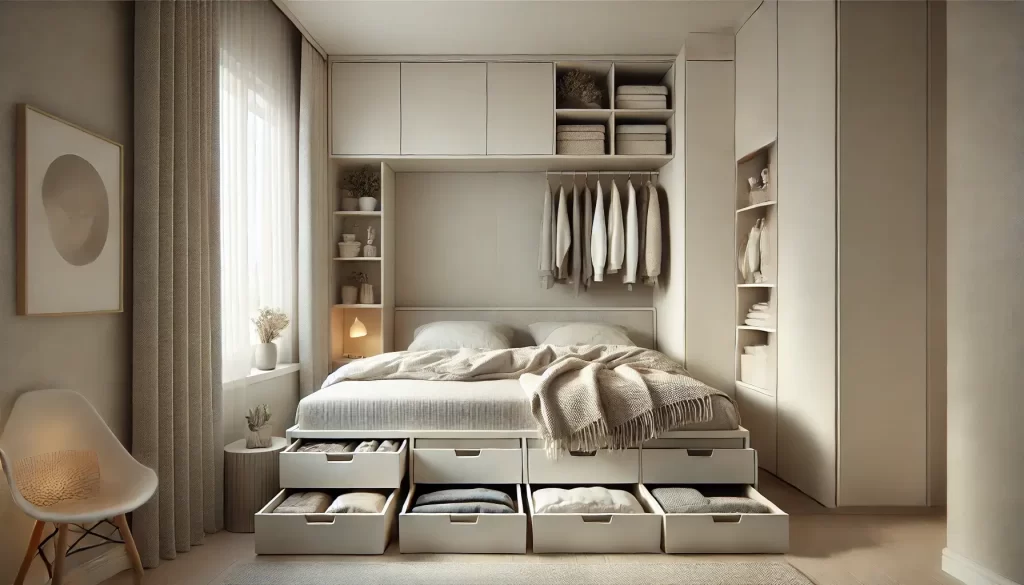
A bed takes up the most floor space in any bedroom, which makes it the perfect candidate for hidden storage. Modern storage beds come with built-in drawers along the sides, hydraulic lifts that raise the mattress to reveal roomy compartments, or even headboards with shelves tucked neatly behind sliding panels.
These designs give you a place to stash extra linens, seasonal clothing, or shoes that would otherwise clutter up a closet. Storage beds work especially well in small apartments or shared spaces where every inch matters. Choosing a style with clean lines and neutral finishes keeps the look cohesive while delivering maximum function without the bulk of additional furniture.
2. Sleeper Sofas That Transition Effortlessly
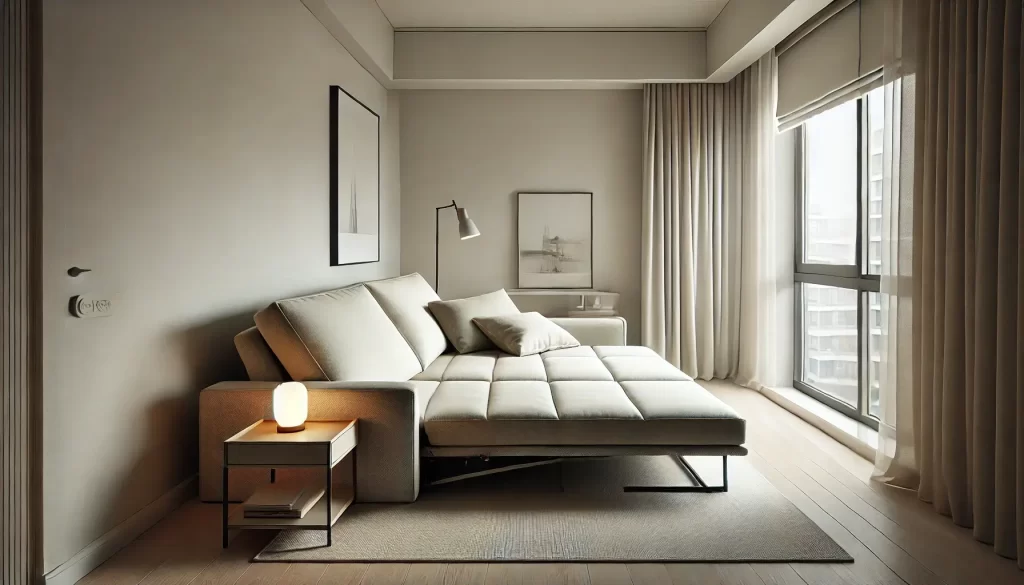
The classic sleeper sofa has come a long way from stiff pullouts of the past. Today’s designs look stylish in the living room while easily converting into a comfortable bed for guests. Some feature memory foam mattresses tucked within, while others use fold-down backs that lie flat in seconds.
The beauty of a sleeper sofa is that it eliminates the need for a dedicated guest room, which can save a significant amount of space. In a studio apartment, it doubles as your everyday lounge spot and your sleeping area without sacrificing comfort or design. Opt for a model with storage under the chaise to gain an extra layer of practicality.
3. Extendable Dining Tables That Expand on Demand
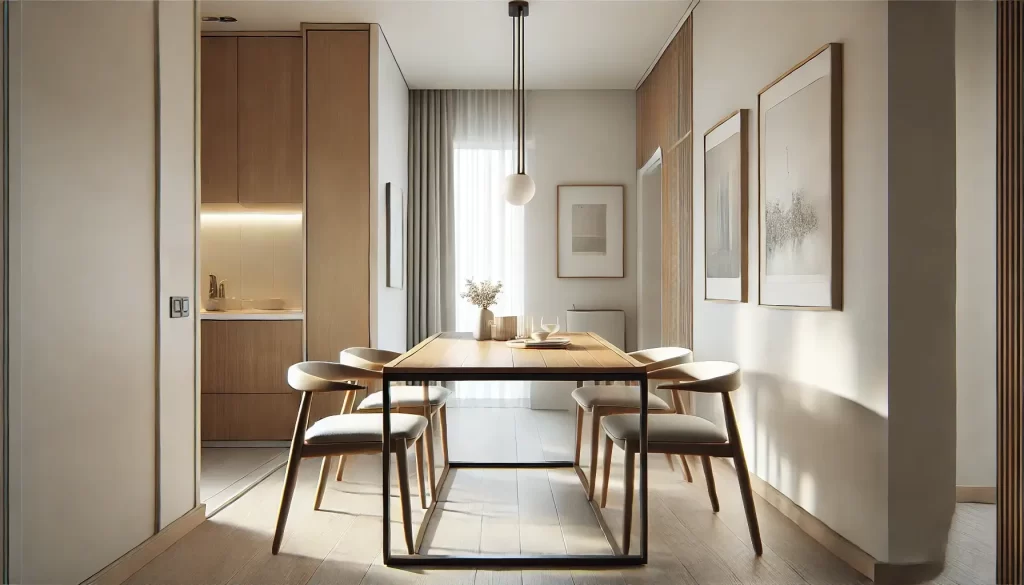
Hosting friends in a small space often feels like a puzzle, but extendable dining tables solve that dilemma. These tables appear modest day-to-day, comfortably seating two to four people, but slide out or unfold to accommodate a larger group when needed. Some designs include hidden leaves that fit seamlessly inside the table itself, while others use a fold-over method to double in size.
The flexibility makes them ideal for open-plan living or smaller dining nooks. Pair the table with stackable or folding chairs that can be tucked away when not in use to create a setup that adapts effortlessly to your lifestyle.
4. Coffee Tables with Hidden Storage and Lifts
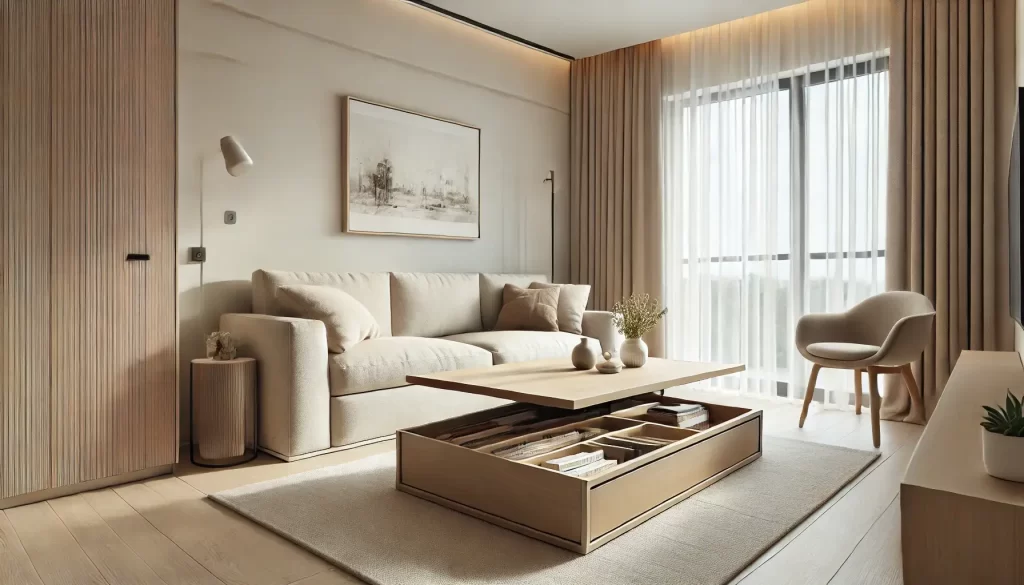
A coffee table might seem like a small detail, but multifunctional versions transform the way you use your living space. Many contemporary designs lift to create a laptop-height surface for remote work or casual dining. Beneath the top, you’ll often find hidden compartments perfect for stowing remotes, magazines, or board games.
Some include drawers or open shelving that allow you to keep essentials within reach while maintaining a clutter-free look. A multifunctional coffee table gives a compact living room the ability to serve as an office, dining area, and relaxation zone without feeling crowded. Choose a piece with wheels if you like rearranging your space easily.
5. Nesting Tables That Disappear When Not Needed
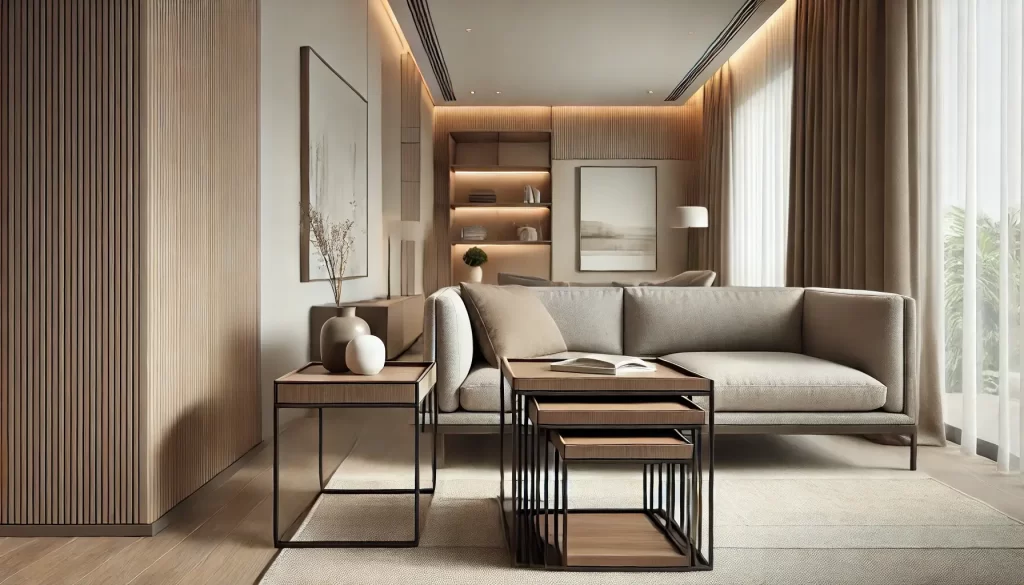
Nesting tables are a clever solution for those who need flexibility without bulk. These sets usually include two or three tables in varying sizes that tuck neatly under one another when not in use. Pull them out for extra surfaces during a movie night, or slide them back into place when you want more open floor space.
Their light frames and compact footprint make them versatile in living rooms, bedrooms, or even entryways. Look for sets that mix materials, like wood and metal, to add visual interest while staying practical. With nesting tables, you gain the convenience of multiple surfaces without committing permanent space.
6. Wall-Mounted Desks That Fold Away
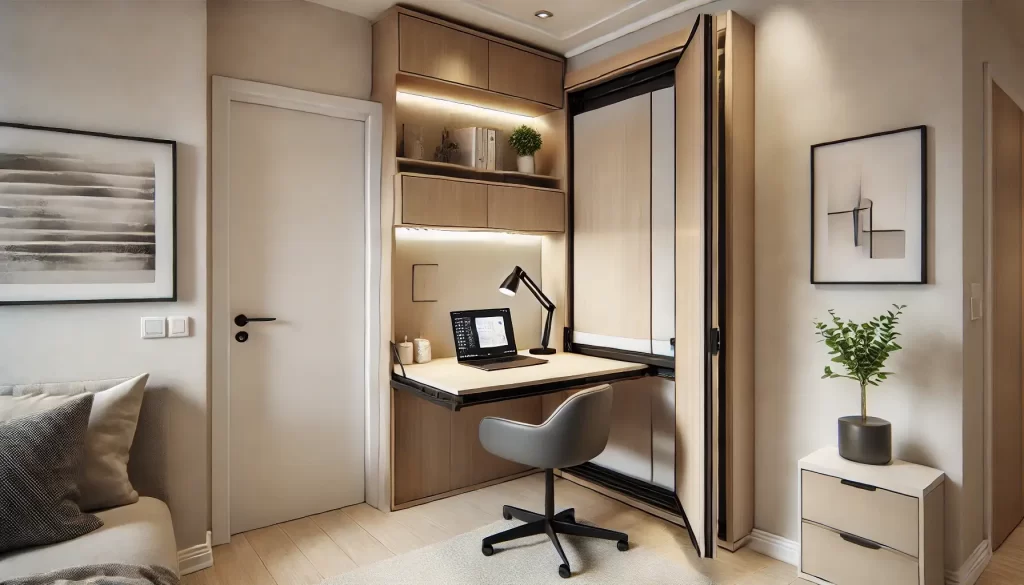
A wall-mounted desk is a smart investment for anyone working from home without a dedicated office. These desks attach securely to the wall and fold down when needed, then fold back up into a slim panel that blends into the wall.
Some models feature built-in shelves or corkboards, turning a small section of wall into a fully functional workspace. This design keeps your floor open while still giving you a proper surface for a laptop and notes. When not in use, the desk disappears, leaving a clean and uncluttered environment. It’s an especially helpful solution for multipurpose rooms where space is at a premium.
7. Ottomans with Storage and Extra Seating
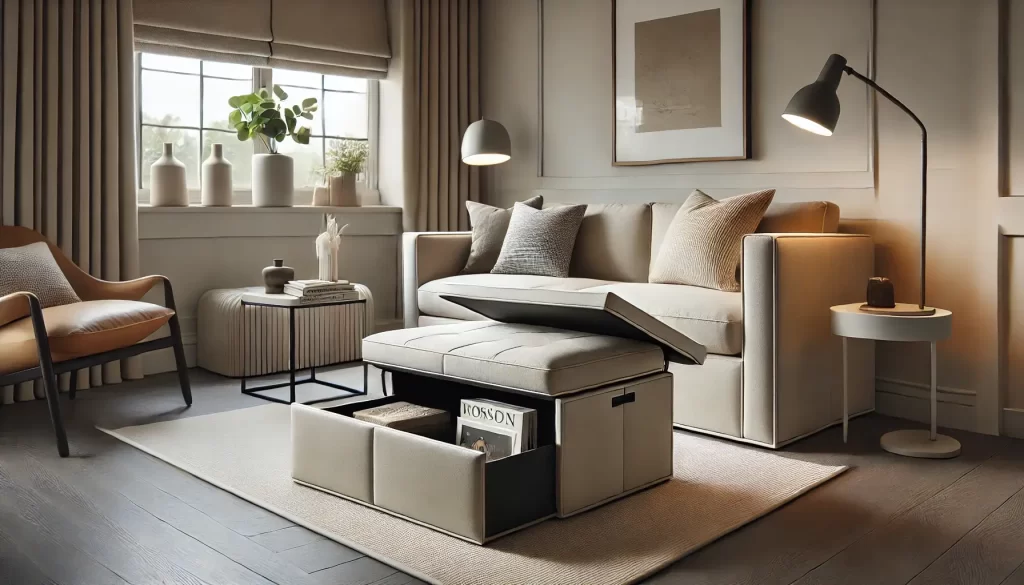
An ottoman is one of the most underrated multitaskers in home design. It can serve as a coffee table with the addition of a tray, as a footrest for lounging, or as extra seating when you’re entertaining. When you add hidden storage inside, it becomes even more useful.
Many designs feature hinged tops that open to reveal space for blankets, books, or toys. Some ottomans come as modular sets that can be rearranged into a bench or sectional seating. Because they’re lightweight and mobile, ottomans allow you to adapt your living room to the occasion, all while keeping clutter out of sight.
8. Murphy Beds That Maximize Floor Space
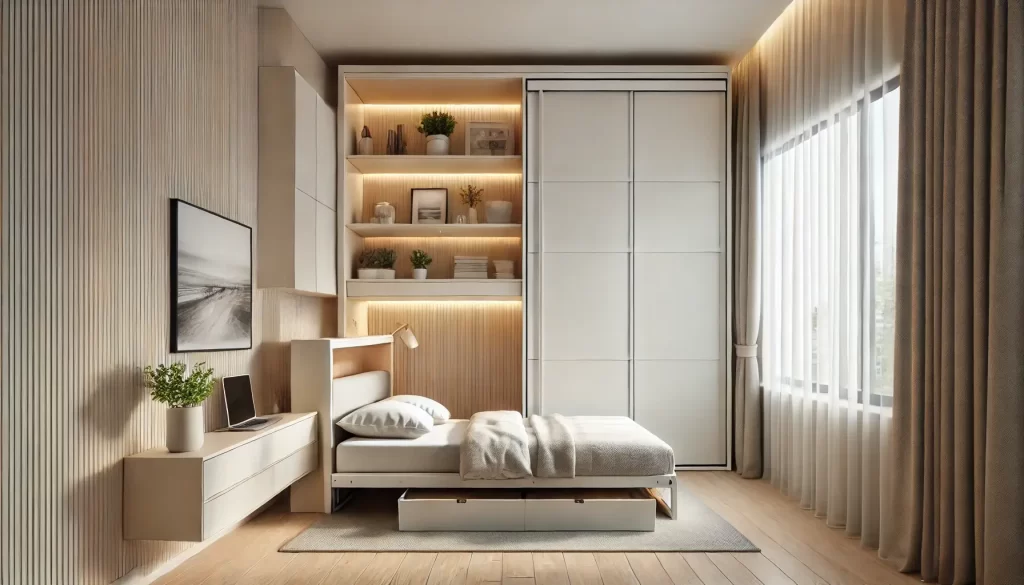
Murphy beds are a classic space saver that continues to evolve with modern design. Unlike traditional beds, these models fold up vertically into the wall or a built-in cabinet, leaving a wide-open floor when not in use. Newer versions often include built-in shelving or desks on the exterior, which stay functional even when the bed is pulled down.
In small apartments or multipurpose guest rooms, a Murphy bed gives you a comfortable place to sleep without permanently claiming square footage. With sleek finishes and clever hardware, many styles look like custom cabinetry rather than a folded bed, making them both stylish and practical.
9. Kitchen Islands with Built-In Storage and Seating
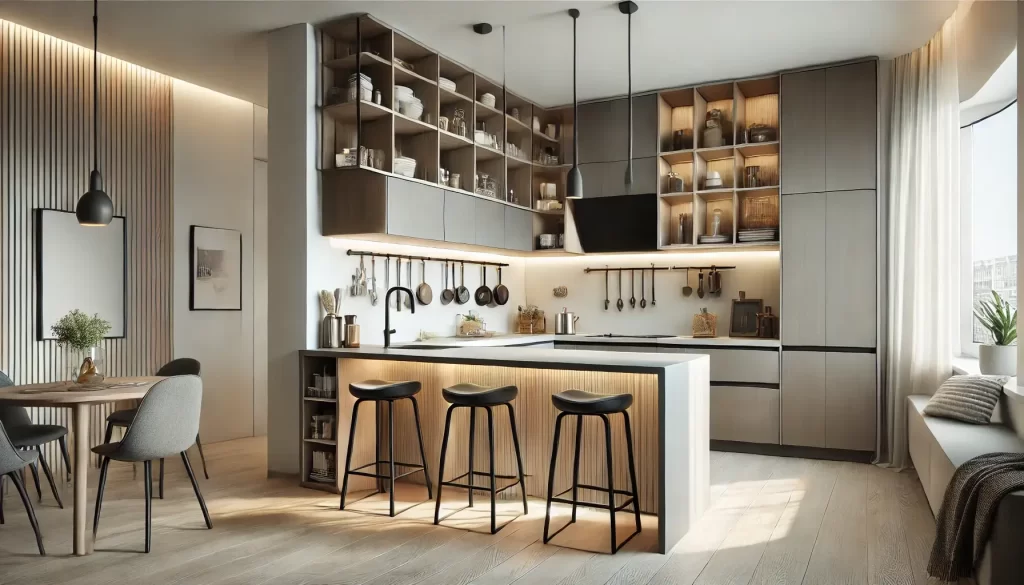
A kitchen island is a dream feature for many homeowners, but even in smaller spaces, compact versions deliver big benefits. A multifunctional island provides storage through shelves, drawers, or hooks for cookware, while also serving as a breakfast bar or prep station.
Some models include wheels so you can move the island where it’s most useful, then roll it aside when you need more floor space. Adding stools that slide under the island creates a casual dining area without needing a separate table. The combination of storage, function, and seating makes it one of the most effective ways to stretch the usefulness of a kitchen.
10. Room Dividers That Double as Shelving
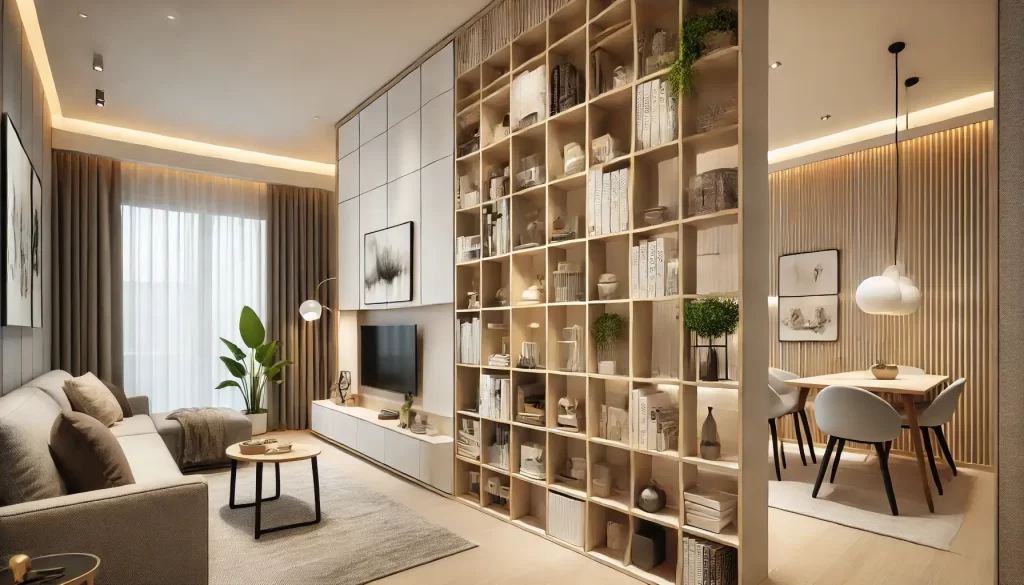
When you’re living in a small apartment or open loft, defining areas can be as important as saving space. Room dividers with built-in shelving serve both purposes beautifully. Instead of a solid wall, these open units create separation while offering storage for books, plants, or decor.
The open design allows light to flow through, keeping the space airy rather than cramped. They work well for dividing a sleeping area from a living zone or sectioning off a home office. Because they serve as both architecture and furniture, shelving dividers add structure without making your home feel closed in.
Tips for Choosing the Right Multifunctional Furniture
Choosing multifunctional furniture involves balancing practicality, durability, and aesthetics. I focus on these critical factors to ensure the best fit for any space.
Prioritize Durability and Quality
Durability determines how long furniture remains functional and visually appealing. I select pieces made of solid materials like hardwood, reinforced metal, or high-quality engineered wood. For items with upholstery, I opt for durable fabrics such as performance polyester or treated leather to resist wear and stains. Checking weight capacities and joint reinforcements ensures stability, particularly for convertible designs like sofa beds or extendable tables.
Measure Your Space Before Purchasing
Accurate measurements prevent overcrowding and ensure efficient space utilization. I measure both the room dimensions and the available area that the furniture will occupy when fully extended or converted. Accounting for clearance space around items like folding tables or Murphy beds avoids obstructions. Factoring in doorways and hallways ensures smooth furniture delivery and setup.
Look for Stylish Yet Functional Designs
Stylish pieces enhance the room’s decor while providing utility. I focus on furniture designs with clean lines, modern finishes, and neutral or adaptable color palettes to complement various interiors. Features like hidden storage compartments, extendable surfaces, or modular setups add versatility without compromising the look. I evaluate whether the design aligns with my aesthetic preferences while meeting functional needs.
Common Mistakes to Avoid
Avoiding common mistakes ensures multifunctional furniture delivers on both space-saving and functionality goals. Below are some frequent errors to watch out for.
Buying Furniture That Doesn’t Fit Your Space
Choosing furniture without measuring often results in overcrowding or underutilized spaces. Measuring every room and noting dimensions available for each piece is crucial. For example, I ensure a sofa bed can fully extend without blocking doorways or walkways. Avoid oversized or awkwardly shaped items that disrupt flow in compact areas.
Overlooking Storage Needs
Multifunctional furniture often maximizes hidden or built-in storage. Overlooking this benefit leads to clutter and inefficient use of space. I look for designs like ottomans with hidden compartments or beds with integrated drawers to organize essentials. Without these features, additional storage furniture may become necessary, defeating the purpose of space-saving designs.
Ignoring Assembly Requirements
Selecting furniture without considering assembly can lead to frustration, especially with complex designs. Some multifunctional pieces require specialized tools or multiple persons to assemble. I always check assembly instructions in advance and confirm the tools needed are available. For example, wall-mounted desks or Murphy beds often involve installation brackets and precise measurements, making preparation essential.
Conclusion
Maximizing space doesn’t mean sacrificing comfort or style. With the right multifunctional furniture, it’s possible to create a home that’s both practical and visually appealing. These versatile pieces not only make the most of limited square footage but also simplify daily life by combining functionality with smart design.
Whether you’re furnishing a small apartment or looking to declutter, investing in dual-purpose furniture is a game-changer. By focusing on quality, functionality, and aesthetics, you can transform your space into an efficient and stylish haven that meets all your needs.
Frequently Asked Questions
What is multifunctional furniture?
Multifunctional furniture is designed to serve more than one purpose, such as sofa beds, storage ottomans, or folding tables. These pieces help save space and add versatility to small living spaces.
Why is multifunctional furniture essential for small spaces?
Multifunctional furniture maximizes floor space by combining multiple uses into a single piece. It enhances functionality, adds hidden storage, and helps reduce clutter in compact living areas.
What are examples of multifunctional furniture?
Popular examples of multifunctional furniture include sofa beds, ottomans with storage, Murphy beds, modular sofas, folding dining tables, wall-mounted desks, and beds with built-in drawers.
How do I choose the right multifunctional furniture?
Consider your space measurements, prioritize durable materials, and select designs that align with your style while offering utility. Ensure the furniture fits well and meets your functional needs.
Are there budget-friendly multifunctional furniture options?
Yes, you can find budget-friendly options made from materials like plastic or hybrid materials. These can still offer durability and functionality without compromising style.
Does multifunctional furniture suit all interior styles?
Most multifunctional furniture is designed with modern aesthetics, but it comes in various styles to match different decors, from minimalistic to traditional.
How does multifunctional furniture support sustainable living?
By reducing the need for multiple pieces, multifunctional furniture minimizes material consumption and waste, promoting eco-conscious living and simplifying spaces.
What materials are best for multifunctional furniture?
Durable materials like hardwood, metal, and tempered glass are ideal for longevity. Look for materials that balance aesthetics, durability, and maintenance.