
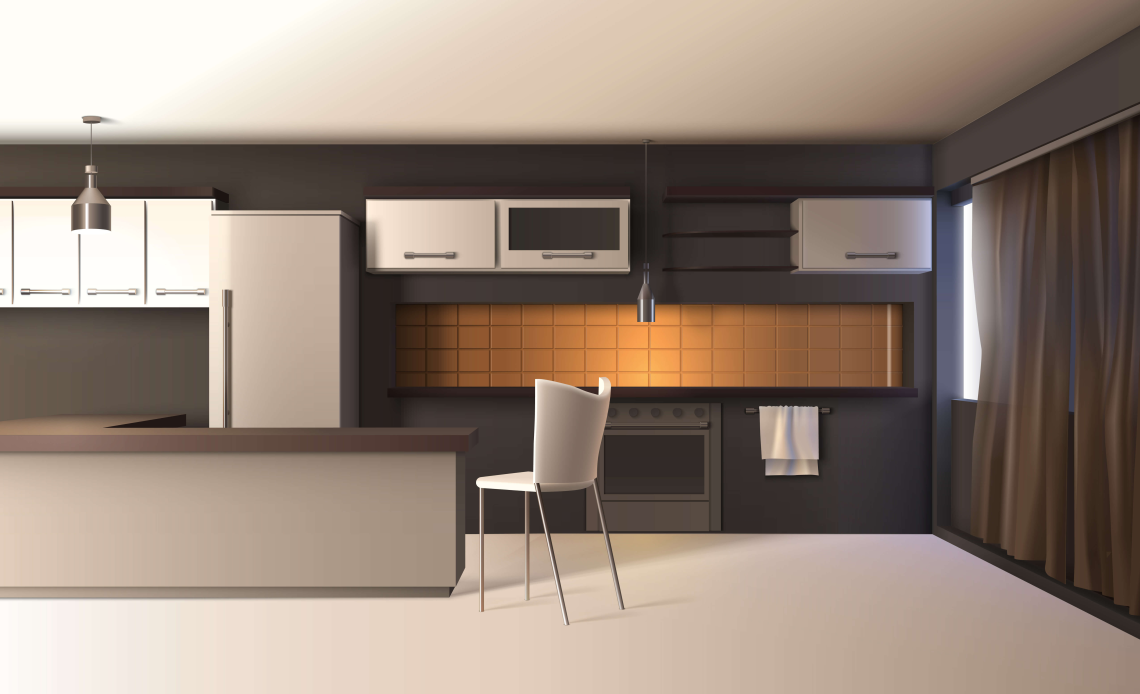
Why small modular kitchens are winning in 2025
Urban homes are getting smarter about space, and the kitchen is where every inch counts. A small modular kitchen brings factory finished precision, customizable storage, easier maintenance, and quicker installation compared to a fully site built option. In 2025 there is an added push toward sustainable boards, energy efficient appliances, and accessories that make compact layouts feel surprisingly generous. The goal is not just to fit everything in. The goal is to cook comfortably, clean quickly, and enjoy the space every day without clutter. Done right, a small modular kitchen can look premium and perform like a larger one, while staying within a sensible budget.
Understanding what a modular kitchen includes
When you hear the word modular, think of a system made of standard sized cabinets that can be arranged to suit your layout. The package usually includes base units for pots and pans, wall units for plates and dry groceries, tall units for pantry storage, a sink unit with waste segregation, and space planned for a hob, an oven, a microwave, and a chimney. Countertops, backsplashes, and hardware complete the set. You can add specialty accessories like corner carousels, pull out larders, spice pull outs, cutlery trays, and under sink organizers to upgrade usability. The benefit is predictability. Since sizes are standardized, pricing can be calculated with confidence, installation is faster, and replacements are simpler if you choose to change a door or add a drawer later.
The best layouts for small kitchens
Most compact homes fall into one of four layouts. Single wall kitchens are the most space efficient and work best for studio apartments and narrow rooms. L shaped kitchens give you a functional work triangle within a small footprint and are popular in open plan living dining spaces. Parallel or galley kitchens deliver serious efficiency, since you can move between storage and prep without walking around corners. Small U shaped kitchens create excellent counter space and keep everything within arm’s reach, although they need a little more width to feel comfortable. The right layout is shaped by your room size, window and door positions, and whether you plan to add a breakfast counter. If you cook daily, prioritize a layout that lets two people pass each other without feeling squeezed. If you cook occasionally, consider an open single wall with a peninsula so the kitchen feels social.
Standard sizes that make a small kitchen comfortable
Ergonomic sizes do a lot of heavy lifting in small spaces. Typical base cabinets are 22 to 24 inches deep, with a finished countertop width of about 24 inches. Wall cabinets are usually 12 inches deep so they do not feel heavy over the counter. A comfortable counter height is 34 to 36 inches depending on your height. For a single wall kitchen, try to keep at least 9 feet of linear counter so you have space for a hob, a sink, and prep. For a galley, aim for a clear walking passage of at least 39 inches between counters. If you plan a breakfast counter with stools, allow at least 15 inches of knee space and keep the overhang supported so it does not flex. These small dimensional decisions add up to a kitchen that you enjoy using every day.
Materials that balance durability and budget
Most modular carcasses are built with either commercial grade plywood, high moisture resistant boards, or medium density fiberboard with a protective coating. Plywood offers high screw holding strength and resists warping when sealed well. Good quality MDF gives a smoother painted finish and is cost effective in low moisture zones. High moisture resistant boards are a smart middle path in humid cities since they handle occasional spills better than standard boards. For shutters, you can choose laminate for durability and easy cleaning, acrylic for high gloss depth, membrane for a soft matte look, or lacquered glass for a sleek reflective finish. Hardware makes a visible difference to everyday comfort. Soft close hinges, full extension drawer channels, and integrated handles keep the look clean and reduce noise during use. When you are weighing cost, remember that boards and hardware are the soul of the kitchen, while finishes are the skin. If you need to economize, choose a simple laminate finish but do not compromise on hardware quality.
Countertop choices for compact kitchens
A hardworking countertop is the stage for all your prep and clean up. In 2025, quartz and granite remain the most popular choices in compact kitchens because they handle heat and stains better than many newer composites. Engineered quartz brings consistent color and a non porous surface, which simplifies maintenance. Granite brings natural variation and excellent durability if it is properly sealed. Large format porcelain slabs are gaining ground because joints almost disappear and the surface is very stain resistant, but they need a skilled fabricator for cutouts and edges. For the budget conscious, a well finished solid surface top is warm to the touch and easy to repair, though it needs care with hot pots. Keep the edge profile simple to avoid catches and to make daily cleaning quick.
Backsplash ideas that stretch the room visually
In a compact kitchen the backsplash can either chop the space or make it feel calm. Large tiles with minimal grout lines create a quiet backdrop that visually expands the room. A slab backsplash in the same material as the counter looks premium and is easy to wipe. If you prefer pattern, keep colors gentle and run the tiles to the ceiling so the eye travels upward. Under cabinet lighting turns the backsplash into a soft glow, which doubles as a night light and makes the counter feel deeper. Use light colored grout near the hob only if you are ready to clean regularly, or choose a darker grout for a more forgiving finish.
Storage strategies that remove daily friction
Storage is where modular systems shine. Full height tall units store bulk groceries, appliances you rarely use, and cleaning supplies in one vertical stack. Pull out larders keep bottles and jars visible from both sides so you do not lose ingredients at the back. Deep drawers in base units are better than one large cupboard because you can see everything from above. Corner spaces benefit from a carousel or a blind corner pull out so the volume is not wasted. Under sink organizers with a drip tray and bins for waste segregation keep the area hygienic. Inside drawers, add a cutlery tray, a knife block, and a utensil divider so tools have a home. The aim is simple. Every item should have a place that is easy to reach at the right moment, and nothing should require three movements to access.
Appliance planning for compact layouts
Appliances can either crowd a small kitchen or make it a pleasure to use. Choose a hob that matches your cooking style and the number of burners you actually use. A three burner hob is usually sufficient for compact homes and leaves counter space for prep. For frequent frying and grilling, a chimney with good suction and a quiet motor is a worthwhile investment, and recirculating filters with regular replacement keep indoor air cleaner in apartments where ducting is difficult. Convection microwaves combine baking and reheating in one unit and free up space that a separate oven would occupy. Slimline dishwashers at 18 inches wide are increasingly popular in small kitchens. They reduce counter clutter because you can tuck dishes in as you cook. For refrigerators, counter depth models keep the walkway open. If you need a large fridge, consider placing it at the end of the run to preserve clear counter spans near the hob and sink.
Lighting that makes small kitchens feel bigger
Good lighting lifts the mood and makes tasks safer. Three layers work best even in a compact space. Ambient lighting comes from ceiling fixtures or slim LED panels that spread soft light across the room. Task lighting lives under wall cabinets and over the sink to remove shadows on the counter. Accent lighting inside glass front cabinets or along the toe kick adds depth and a sense of polish. Choose warm to neutral white tones between 3000K and 4000K, since very cool light can make small rooms feel clinical. Separate circuits for ceiling, under cabinet, and accent lighting allow you to adjust the atmosphere from morning prep to evening clean up.
Ventilation and hygiene in tight spaces
Compact kitchens can trap heat and odors if ventilation is neglected. A window that opens freely is still the most effective tool, so avoid blocking it with tall cabinets. If your layout has no external window, pair a quality chimney with a good exhaust fan to keep air moving. Moisture control matters because small rooms accumulate steam quickly. Use a splash guard near the sink, seal all board edges, and ensure that the countertop silicone joint is continuous so water does not seep into the carcass. Regular cleaning is easier when surfaces are smooth and hardware is soft close, since fewer jolts mean fewer spills.
Flooring that withstands daily traffic
Kitchen floors work hard and need to resist stains and drops. Porcelain tiles are the reliable choice because they are dense, affordable, and available in anti skid textures that are safe when wet. Large format tiles mean fewer joints to clean. If you prefer a wooden look, go for tiles that mimic grain rather than true wood in a wet zone. Luxury vinyl tiles have become a practical option in dry kitchens because they are warm underfoot and quieter than stone. Whatever you choose, plan a simple slope toward a floor drain if the layout allows it, since compact kitchens benefit from easy wash downs.
Color and finish palettes that enlarge the room
Light colors reflect more light and help small spaces feel open, but an all white kitchen can look flat. A warmer white on wall units, a calm mid tone on base units, and a slightly darker floor create a balanced stack that still feels bright. If you love dark colors, confine them to base units and keep the counter and wall units pale. Gloss finishes bounce light and make a room feel larger, while matte looks upscale and hides fingerprints better. Brushed metal handles and stainless accents pair well with both gloss and matte. The trick is to limit the number of different colors and textures so the eye reads the kitchen as one tidy volume rather than a patchwork of parts.
Smart organization habits for everyday calm
A compact kitchen relies as much on habits as on fittings. Keep only what you use weekly within the working triangle, and rotate rarely used appliances to higher shelves. Decant dry goods into clear containers with labels so you can see quantities at a glance. Assign a landing zone on the counter near the fridge for groceries when you return from the store, and another by the sink for washed produce. Wipe counters and the backsplash nightly so stains do not set, and run the chimney on a low setting for a few minutes after cooking so odors clear out. These small routines keep the space fresh and ready for the next meal.
Price guide for small modular kitchens in 2025
Budgets vary by city, brand, finish, and accessory count, but you can use broad ranges to plan with confidence. For a compact single wall or small L shaped kitchen of about 8 to 10 feet on each side, a basic modular set with plywood carcasses, laminate shutters, standard hinges and channels, a granite or entry level quartz countertop, and a tiled backsplash typically starts around the lower mid five figures in Indian rupees for cabinetry alone and climbs with accessories. Adding soft close hardware, deep drawer systems, a pull out pantry, a carousel for the corner, and a better grade of quartz moves the price to the mid range. Premium acrylic or lacquer finishes, branded soft close hardware from top tier manufacturers, quartz or large format porcelain slab counters, integrated handles, inner drawers, and internal lighting place the kitchen in an upper tier. Appliances are a separate line item. A reliable three burner hob, a quiet chimney, a convection microwave, and a slim dishwasher together often match or exceed the mid range cabinetry budget in compact homes. Installation, delivery, and on site civil work, such as levelling, plumbing adjustments, and electrical points, add to the total. Keep a contingency for surprises inside walls or floors. These numbers are guideposts that help you decide where to spend for daily comfort. Hardware, drawers, and countertop quality bring more value over time than a very high gloss finish that needs frequent polishing.
How to choose where to spend and where to save
In a small kitchen every rupee needs to show. Spend on soft close hardware, deep drawer systems, a durable counter, and under cabinet lighting. Save by using laminate on less visible sides, by choosing a simple flat shutter rather than complex grooves, and by limiting the number of glass front cabinets that need extra lighting. If you love the look of wood, use a warm textured laminate rather than real veneer, and focus real timber on a small open shelf or a breakfast ledge where the hand feel matters. If you cook daily with oil and spices, invest in a chimney with good filters and a comfortable noise level, since this single choice improves both air quality and cleaning effort.
A simple planning sequence that works
Start with the layout that fits your room. Confirm the location of the sink, the hob, and the fridge, then map the working triangle. Measure precisely and mark heights for windowsills, beams, and any duct cutouts. Choose carcass material and hardware first, then choose the shutter finish and color. Decide the countertop and backsplash together so the textures complement each other. Confirm appliances and their electrical loads so the wiring plan is accurate. Lock storage accessories only after you have listed your actual cookware, because the best system is the one that fits what you already own. Review drawings that show every cabinet, drawer, and accessory, with exact sizes and opening directions. Ask for a sample of the handle or the profile so grip and look feel right. Only then should you release the order for factory production.
Installation and quality checks at handover
Factory finished kitchens install quickly, but a little on site care ensures a neat result. Check that cabinets sit level and that gaps are even. Confirm that soft close drawers return smoothly without rubbing. Inspect silicone joints at the counter and the sink for continuity. Look under the sink for a drip tray and for clean cutouts that do not expose raw board. Switch on all lights, run the chimney, and test appliance clearances with doors open. Open and close tall unit doors to ensure they do not hit the ceiling or the opposite counter. Keep a list of small snags and have them closed before final payment so you start with a kitchen that feels complete.
Maintenance that keeps the kitchen looking new
Daily maintenance is simple when surfaces are chosen well. Wipe counters with mild soap and water, clean the backsplash weekly, and empty the chimney filter as per the manufacturer’s schedule. Hinges and channels last longer when cabinets are not overloaded. If a shutter goes out of alignment, a small turn of the hinge screw usually restores the gap. Keep a spare piece of your countertop material, a spare hinge, and a little extra laminate safely stored. These extras are handy for future touch ups or if you decide to add a narrow filler or a small shelf later.
A wrap up that puts comfort first
A small modular kitchen in 2025 is about clarity and comfort. Clear zones for prep, cook, and clean. Clear storage that reveals items without rummaging. Clear paths for air and light. Comfort comes from the things you touch and use every day, like drawers that glide, handles that feel right, and a counter that stays stain free. Prices vary, trends evolve, and finishes come and go, but the kitchens that age well are the ones that respect the basics. If you invest in the structure, organize honestly around your habits, and keep the design calm, your compact kitchen will feel generous every time you step in to cook, serve, or simply make tea.
If you want me to continue right away, I can move on to the next topic in the sequence, which is Wardrobe Designs for Small Bedrooms With Sliding Doors, in the same format and length.