
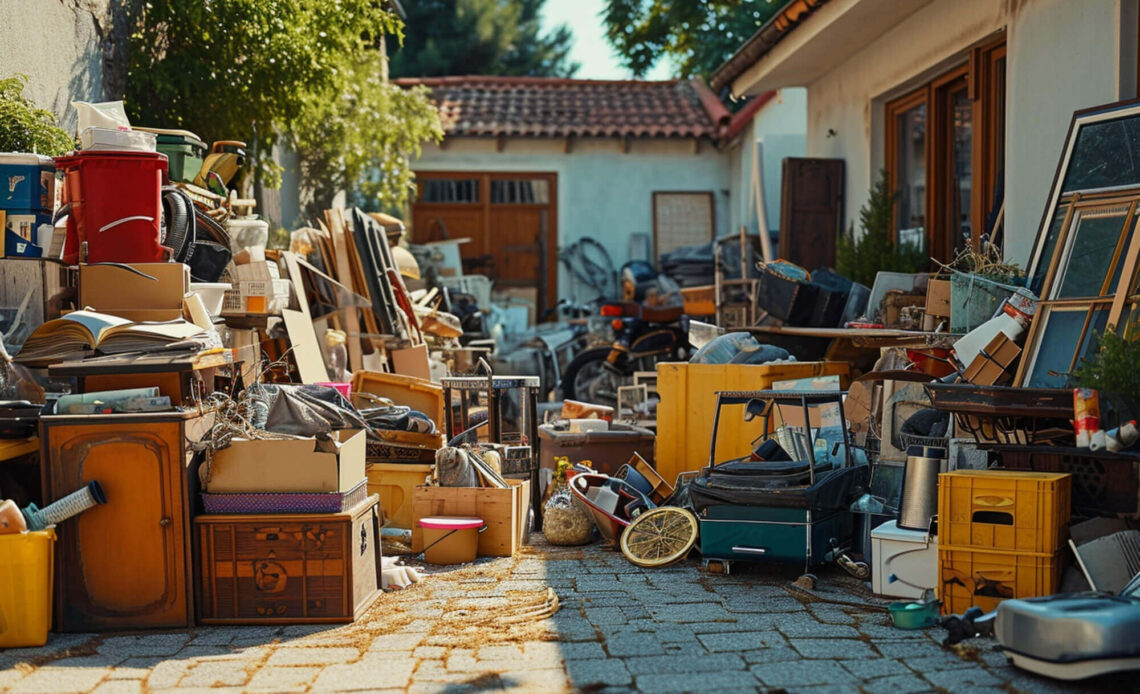
Getting ready for junk removal in Sydney can feel overwhelming, especially when clutter has taken over your space. I know how tempting it is to put it off, but with a little preparation, the process can be smooth and stress-free. Whether you’re clearing out a home, office, or just tackling a garage full of stuff, a plan makes all the difference.
From sorting through items to coordinating with a reliable removal service, there are a few steps that can save you time and hassle. It’s not just about getting rid of unwanted items—it’s about reclaiming your space and making it functional again. Let me guide you through the essentials to ensure your junk removal experience in Sydney is efficient and hassle-free.
Understanding Junk Removal Services In Sydney
Junk removal services in Sydney specialize in removing, transporting, and responsibly disposing of unwanted items. Their goal is to simplify decluttering and space optimization by offering efficient and reliable solutions.
What Is Junk Removal?
Junk removal refers to the process of clearing out and disposing of unwanted items such as furniture, appliances, electronics, construction debris, or general waste. In Sydney, certified providers handle collection, sorting, and recycling or disposal in compliance with local regulations. Residential and commercial services are commonly offered to meet various disposal needs.
Benefits Of Professional Junk Removal In Sydney
- Time and labor savings: Professional services handle heavy lifting, sorting, and transport, minimizing effort.
- Eco-friendly disposal: Recyclable and reusable materials are identified, reducing environmental waste.
- Regulation compliance: Licensed providers ensure proper disposal aligned with Sydney council guidelines.
- Convenience: Flexible scheduling accommodates busy routines, ensuring quick responses.
- Safety: Staff with expertise prevent injuries during the removal of large or hazardous items.
Planning Your Junk Removal
Effective planning simplifies junk removal, saving time and effort. Follow these steps to organize your removal process efficiently.
Assessing Your Junk Situation
I identify the types and volume of junk to be removed. Items may include old furniture, unused appliances, or construction debris. I separate recyclable, reusable, and disposable items to streamline the process. For example, cardboard boxes go into recycling, lightly used furniture into donation, and broken items into landfill disposal. I also measure large items to ensure proper equipment can handle their removal.
Setting A Budget
I determine the budget based on removal volume, labor, and additional costs such as recycling fees. In Sydney, junk removal costs vary between $100 and $1,000 depending on these factors. I request a quote from multiple providers to compare prices. Transparent providers include details like load size, per-hour fees, and environmental charges in their quote.
Scheduling Your Junk Removal Appointment
I schedule the appointment at a convenient time, allowing for junk sorting beforehand. I confirm the date with the provider and ensure they offer same-day or next-day services if urgent removal is needed. Reliable companies in Sydney offer flexible schedules, accommodating both weekdays and weekends.
Materials And Tools Needed For Junk Removal Preparation
Having the right materials and tools simplifies the junk removal process and ensures efficient preparation. Below is a list of essential items to gather before starting.
Essential Packing Supplies
- Sturdy bags: Heavy-duty trash bags handle large and sharp items like broken glass or loose debris without tearing.
- Cardboard boxes: Use medium-sized or large cardboard boxes for packing lightweight but bulky items, like clothes or kitchenware.
- Packing tape: Strong adhesive tape secures boxes to prevent accidental openings during handling.
- Labeling materials: Markers or labels help identify the contents of each box, making categorization easier for disposal or recycling.
- Protective covers: Blankets or plastic wraps protect large furniture items from scratches or damage during removal.
Tools For Sorting And Decluttering
- Gloves: Durable gloves protect hands from dirt, splinters, and sharp edges when handling various items.
- Sorting bins: Separate recyclable, reusable, and disposable items using distinct bins or containers.
- Measuring tape: Dimensions of furniture or appliances should be measured to check their compatibility with removal equipment or doorways.
- Utility knife: Cutting through sealed boxes, tape, or packaging becomes easier with a sharp blade.
- Step stool or ladder: Accessing high shelves or attic spaces with a step stool or ladder ensures safety during decluttering.
Prepare these materials and tools in advance to stay organized and streamline the junk removal process.
Sorting And Decluttering Your Space
Organizing your space effectively simplifies the junk removal process. Taking the time to sort and declutter ensures better decision-making and quicker removal.
Organizing Items Into Categories
I categorize items into three main groups: keep, donate, and dispose. Reusable items, like gently-used furniture and kitchenware, go into the donation pile. Non-recyclable trash and broken items are sorted for disposal. Frequently used possessions are added to the keep category. Clear labeling of each category prevents confusion during removal.
Deciding What To Keep, Donate, Or Dispose
I assess items based on their condition, frequency of use, and sentimental value. Functional items or those used regularly belong in the keep pile. Unwanted but usable items, such as clothing or appliances, are ideal for donation. Damaged or outdated items like torn upholstery or broken electronics are marked for disposal. Decisions become clearer by focusing on practicality and functionality.
Tips For Efficient Decluttering
- Use a timer for focused decluttering sessions, such as 30-minute intervals.
- Start with one area, such as a closet or a cabinet, to avoid feeling overwhelmed.
- Remove duplicate items, including extra tools or dishes, to free up space.
- Enlist help from family or friends to speed up sorting tasks and gain additional perspectives.
Efficient decluttering makes the space more organized and expedites junk removal.
Preparing For Junk Removal Day
Organizing the final steps ensures a seamless junk removal experience. Proper preparation expedites the process and avoids unnecessary delays.
Labeling And Categorizing Items
I use clear labels to distinguish different item categories. For example, marking boxes as “Donate,” “Recycle,” or “Trash” helps removal teams quickly identify how to handle items. This reduces errors and maximizes sorting efficiency. For mixed items, I separate them further to ensure proper recycling or disposal.
Ensuring Easy Access For Removal Teams
I clear pathways to removal areas by moving obstacles like furniture or clutter. Wide, unobstructed spaces allow teams to move efficiently, particularly when removing large items like furniture or appliances. If parking is challenging in my area, I arrange temporary parking permits or ensure nearby parking availability.
Safeguarding Valuables And Fragile Items
I pack fragile items, such as glassware or electronics, securely with padding like bubble wrap or newspapers. For valuables like documents or jewelry, I keep them separate in safe locations to prevent misplacement. Alerting removal teams about any remaining fragile items ensures proper handling.
Eco-Friendly Junk Removal Options
Sustainable practices in junk removal contribute to environmental protection. Incorporating eco-friendly options reduces waste and promotes resource conservation.
Recycling And Donation Tips
Recycling and donating usable items decrease landfill waste. I ensure electronic waste, like old phones and broken appliances, goes to certified e-waste recycling centers. Scrap metals from items like bed frames or tools are also recyclable at designated facilities. For cardboard boxes and paper products, local curbside recycling programs or drop-off locations work well.
I donate gently-used furniture, clothing, and household items to charities like The Salvation Army or St. Vincent de Paul in Sydney. Donating items such as unused toys or baby gear benefits community members and reduces waste. Identifying donation drop-off points or scheduling pickups improves efficiency when preparing.
Finding Green Junk Removal Services In Sydney
Selecting environmentally conscious junk removal services aligns with eco-friendly goals. I research providers specializing in recycling and responsible disposal, focusing on companies accredited by organizations promoting green practices. Verified providers ensure compliance with Sydney’s waste management standards and aim to minimize environmental impact.
I compare services offering comprehensive recycling plans that sort items into recycle, donate, or dispose categories. Some green companies, like 1800-GOT-JUNK? and AnyJunk, emphasize landfill diversion and partnerships with donation centers. Checking eco-certifications and customer reviews helps confirm environmentally friendly operations.
Common Issues And Troubleshooting
Challenges during junk removal in Sydney can arise unexpectedly, but addressing them efficiently ensures a smoother process. Here’s how I tackle the most common issues:
What To Do If The Removal Team Faces Access Issues
Ensuring clear paths and entryways helps prevent access problems. I move furniture, obstacles, or clutter blocking doorways, driveways, or hallways in advance. If property layouts complicate access, I communicate this when booking the service, providing precise details like staircases or narrow pathways. For apartments or shared spaces, I coordinate with building management to secure elevator bookings or permissions for parking close to the premises. Proactively managing access guarantees minimal disruptions.
Handling Last-Minute Changes Or Additions
Unexpected items may arise during the removal process. I notify the removal team immediately to assess any additional costs or time adjustments. To avoid confusion, I pre-sort my items accurately, but I keep a few extra labeled boxes handy in case I find overlooked or forgotten junk. If additional items exceed the original capacity or timeline, I discuss scheduling a follow-up appointment to handle the overflow efficiently. Clear communication resolves last-minute issues effectively.
Dealing With Items The Service Won’t Take
Some junk services refrain from accepting hazardous materials, certain electronics, or specific items outlined in their policies. I review the list of prohibited items provided by my chosen service and make alternative arrangements for these. For e-waste, I identify certified recycling sites in Sydney, while chemicals and paints are directed to approved hazardous waste disposal centers. If the service declines large construction debris, I hire specialized removal providers. Knowing in advance what is not accepted avoids delays on removal day.
Tips For A Stress-Free Junk Removal Experience
Efficient planning and organization create a smoother junk removal process. Implement these strategies to minimize stress during the removal.
Communicating Clearly With Your Junk Removal Team
Clear communication ensures proper handling of all items. I confirm removal details, such as the type and quantity of junk, with the service provider before the scheduled appointment. When special instructions are necessary, such as handling fragile or oversized items, I pass them on to avoid misunderstandings. In cases of changes to the plan, like adding items, I notify my team promptly to save time and resources. Providing clear directions to my property and discussing parking arrangements also improves efficiency.
Preparing Your Home For Minimal Disruption
Ensuring my home is ready prevents delays during junk removal. I clear pathways to entry points by removing obstacles, such as furniture or clutter, to allow easy movement for the team. For protection, I use floor covers to prevent damage during the removal of large or heavy items. I secure valuables and important documents, locking them away to eliminate misplacement risks. Arranging parking permits or spaces close to my property allows quicker access and reduces unnecessary disruption.
Follow-Up Steps After The Junk Removal
Following up ensures everything proceeds as planned after the removal. I review the cleared area for any overlooked items or remaining debris that may require additional disposal. For items brought to recycling or charity, I verify confirmation receipts or documentation, ensuring proper allocation. I provide feedback to the service provider, highlighting efficiency or areas needing improvement, to maintain service quality. Finally, I organize the cleared space, creating a functional and optimal environment.
Conclusion
Preparing for junk removal in Sydney doesn’t have to be overwhelming when you approach it with a clear plan and the right mindset. By staying organized, communicating effectively with your removal team, and prioritizing eco-friendly practices, you can turn a potentially stressful task into a smooth and efficient process.
Remember, every step you take toward decluttering and responsibly disposing of unwanted items brings you closer to a more functional and enjoyable space. With the right preparation and professional support, you’ll be able to tackle junk removal confidently and make the most of your refreshed surroundings.
Frequently Asked Questions
What is junk removal, and why is it important?
Junk removal is the process of clearing out unwanted items such as furniture, appliances, or construction debris. It is important because it helps reclaim your space, ensures proper disposal of waste, and can reduce stress by simplifying decluttering efforts.
How do I prepare for junk removal in Sydney?
Start by sorting items into “keep,” “donate,” and “dispose” categories. Use packing supplies like sturdy bags and labeling materials. Ensure pathways are clear for easy removal and coordinate with a reliable removal service for efficient planning.
What are the benefits of hiring a professional junk removal service?
A professional service saves time, ensures eco-friendly disposal, adheres to local regulations, and provides safe handling of large or hazardous items. They also offer flexible scheduling to accommodate your needs.
How much does junk removal cost in Sydney?
Junk removal costs in Sydney typically range from $100 to $1,000, depending on the volume of items, labor requirements, and any special disposal needs. It’s best to request quotes from multiple providers for accurate pricing.
What should I do with items that are still usable?
Donate gently-used items to local charities or give them away to friends or family. You can also recycle specific materials, such as electronics, at certified recycling centers to minimize landfill waste.
How can I ensure an eco-friendly junk removal process?
Choose a removal service in Sydney that prioritizes recycling and sustainable disposal practices. Donate usable items, recycle e-waste responsibly, and ask providers about their green initiatives.
What tools and materials do I need for junk removal preparation?
Essential supplies include sturdy bags, cardboard boxes, packing tape, labeling materials, gloves, measuring tape, and protective covers for fragile items. These tools make sorting and packing more efficient.
How do I deal with hazardous items or large debris?
Most junk removal services have restrictions on hazardous materials. Review their prohibited items list and arrange alternative disposal, such as contacting specialty recycling centers for chemicals or oversized debris.