
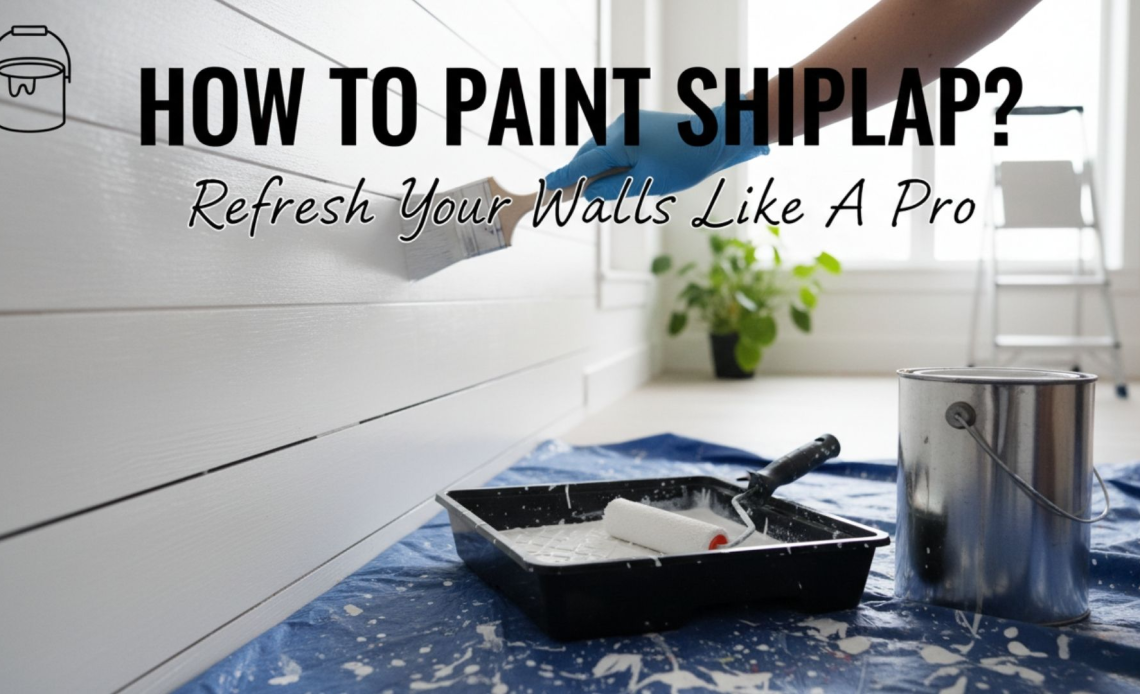
Shiplap has a way of making a room feel finished. The lines add texture, the shadows create depth, and even a plain wall starts to look intentional.
The catch is that paint shows everything on shiplap. Drips settle in the grooves, lap marks stand out on long boards, and wood tannins can bleed through light colors if you rush the prep.
The good news is that painting shiplap is not complicated. It is mostly about choosing the right primer, keeping the grooves clean, and using a method that matches your patience level. Once you understand the order of operations, the whole job becomes very repeatable.
Identify What Your Shiplap Is Made Of
Shiplap is a style, not a material. The paint plan changes depending on what is on your wall.
Solid wood (pine is common) can have knots and resin that stain through paint. This is where stain blocking primer and spot sealing matter.
MDF shiplap is smoother and more uniform, but cut edges can swell if they get too wet. Sealing is the priority.
Pre primed shiplap saves time, but primed does not always mean ready for final paint. You still want to sand lightly and check for slick factory coatings.
If you do not know what you have, look at a cut end or an unfinished edge. MDF looks like compressed fibers. Solid wood shows grain and often knots.
Tools and Materials You Will Actually Use
You do not need fancy gear, but you do need the right basics.
- Stain blocking primer (and a shellac-based primer for knots if you have them)
- Interior wall paint (quality matters for leveling on long boards)
- Angled sash brush (for grooves and edges)
- Small roller, ideally microfiber or foam for a smoother finish
- Paint tray, liners, and a small cup or pail
- Sanding sponge (fine to medium fine)
- Caulk that is paintable, plus a caulk gun
- Wood filler or spackle for nail holes
- Tack cloth or microfiber cloth, plus a mild cleaner
- Painter’s tape, drop cloths, and a vacuum
If you are spraying, add masking film, a respirator rated for paint, and a plan for overspray control.
Read More: Top 11 Paint Sprayers For DIY Projects
Prep Work That Makes Shiplap Look Professional
Prep is the difference between a cute weekend project and why do these boards look messy in daylight?
Clean first, even if it looks clean
Dust loves shiplap grooves. Kitchens and mudrooms also collect grease and residue that can cause paint to fisheye or peel.
Wipe the surface with a mild degreaser or a gentle cleaner, then rinse with clean water if needed and let it dry fully.
Fill nail holes, then sand
If your shiplap was nailed up, you likely have small dimples everywhere. Fill them, let the filler dry, then sand smooth. Vacuum the dust and wipe down. Skipping the dust removal is an easy way to get gritty paint.
Caulk gaps, but do not caulk everything
Caulk is great where shiplap meets trim, corners, or the ceiling. It also helps hide tiny inconsistencies between boards.
What you typically do not want to do is caulk every horizontal seam. Those shadow lines are part of the shiplap look, and filling them can make it look like flat paneling.
Use a paintable caulk, apply a thin bead, then tool it smoothly. Let it cure per the label before priming.
Primer: The Step People Regret Skipping
Primer is not just about adhesion. With shiplap, primer is also about stain control and an even finish across a wall full of seams.
You can use a standard bonding or drywall-style primer
If your shiplap is already primed and you do not have visible knots, you can usually prime with a quality interior primer that is compatible with your topcoat. Lightly sand first to improve adhesion.
You need stain-blocking primer
Raw wood, especially pine, can bleed yellow or brown stains through light paint. A stain blocking primer helps prevent that.
How to handle knots the right way?
If you see knots, assume they will cause trouble sooner or later. Spot prime knots with a shellac based primer before your full primer coat.
This is one of those small steps that saves you from repainting stains that appear after you thought the wall was finished.
MDF shiplap needs sealed edges
MDF edges drink up moisture. If you have any exposed cut edges, seal them. Many painters prefer a solvent based or alkyd style primer on those edges because it locks them down well. Once sealed, you can topcoat with standard interior paint.
Read More: Exterior Wall Paint Colors That Last in Every Climate
Picking the Right Paint Sheen for Shiplap
Most people choose shiplap because they want texture. The sheen you choose changes how that texture reads. Flat or matte hides imperfections and keeps the look soft, but it can be harder to clean.
Eggshell is a popular middle ground for living spaces. It is more wipeable than matte and still looks calm.
Satin adds durability and is often used in high traffic areas, but it reflects more light, so brush marks and uneven boards can stand out.
If your shiplap is on a ceiling, flatter sheens usually look better because they reduce glare.
The Best Painting Method: Brush and Roll, Sprayer, or Both
You have three good options. The best one is the one you will do carefully.
Brush and roll
This method is controlled and low-mess, and it still looks great if you use the right sequence.
Start by brushing the grooves. Use an angled brush and work paint into the seam, then smooth it out so you do not leave heavy ridges that will dry as drips.
Then roll the face of the boards with a small roller. Roll in the direction of the boards. Work in sections so you maintain a wet edge, especially on long runs.
A simple rhythm helps: brush grooves for a few boards, roll those boards, then move on.
Spray
Spraying can give a very smooth finish, especially on new shiplap before installation. It is also the easiest way to create a mess inside a finished room.
If you spray on an installed wall, you need to mask ceilings, floors, adjacent walls, outlets, trim, and anything in the room. You also need ventilation and a plan for overspray dust.
Many DIYers get the best results by spraying, then lightly back brushing or back rolling to even out the coat and reduce thin spots.
Paint before installation
If you are installing new shiplap, pre painting is a smart move. It is much easier to coat boards flat on sawhorses, and you avoid awkward brush angles in the grooves.
A common approach is to prime and apply one coat before installation, then do caulk, filling, and a final coat once it is on the wall. That final coat blends everything and covers touch ups.
Painting Shiplap Without Drips in the Grooves
Protect the room and remove plates
Cover floors, tape trim if needed, and remove outlet and switch plates. Mark the screws so they go back easily.
Prep, sand, and clean
Fill, sand, vacuum, and wipe down. Do not rush dry time, especially after cleaning.
Spot seal knots and stains
If you have knots or any dark marks, spot prime them with the right stain blocking product before you coat the whole wall.
Prime the wall
Brush primer into grooves, then roll the face. Keep coats thin and even. Let it dry fully.
Light sand for a smoother topcoat
Once primer is dry, a quick pass with a fine sanding sponge knocks down raised grain and any brush ridges. Wipe off dust.
Paint the first coat
Use the same sequence: grooves first, then roll the boards. Watch the seams as you go. If you see pooling in a groove, feather it out immediately.
Paint the second coat
Most shiplap needs two finish coats for even color, especially in white or other light shades. The second coat is where the wall starts to look crisp.
Clean up and cure
Paint dries fast, but it cures more slowly. Be gentle with washing or scrubbing for at least a couple of weeks, depending on the product.
Common Shiplap Painting Mistakes and How to Avoid Them
Too much paint in the grooves is the big one. Use less paint on the brush, pull it through the seam, and smooth it out.
Skipping primer is another. If you are painting over raw wood, or you have knots, primer is not optional.
Using a large roller can also cause trouble. Big rollers throw paint into grooves and leave heavier texture. A smaller roller gives you more control.
Do not underestimate lighting. Side light from windows makes every ridge and lap mark visible. Work in manageable sections and keep that wet edge.
Read More: Color Your World: 10 Beautiful Exterior Wall Paint Ideas to Elevate Your Home’s Curb Appeal
Conclusion
Painted shiplap looks clean and classic when the grooves stay sharp and the surface reads as one consistent finish.
Focus on prep, choose primer based on your material, and use a controlled method that prevents pooling in seams.
Whether you brush and roll or spray, the wall will look far better when each coat is thin, even, and allowed to dry properly.