
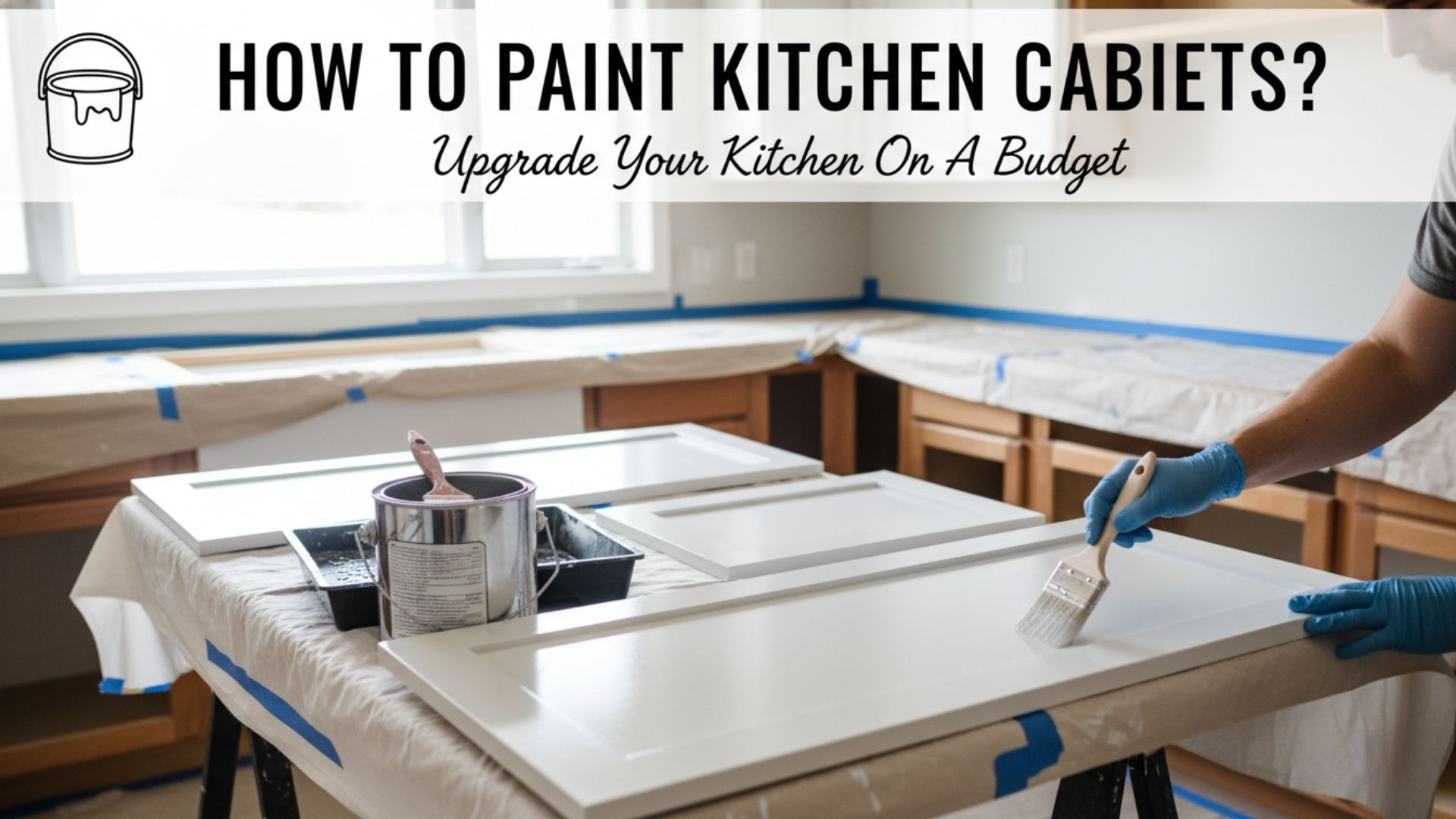
Painting kitchen cabinets is one of the highest impact upgrades you can do without remodeling. It is also one of the easiest DIY projects to rush, which is why so many painted cabinets end up chipping around knobs, sticking at the corners, or feeling tacky weeks later.
A good cabinet paint job is mostly preparation and patience. The paint itself matters, but the difference between looks great for a month and still looks great years from now usually comes down to cleaning, sanding, priming, and letting the finish cure before you put your kitchen back into full contact.
Before You Start, Decide What Good Looks Like
There are two realistic finish goals:
A clean, durable painted look that reads “professionally done” from a normal standing distance. This is achievable with a brush and roller if you use the right tools and take your time.
A factory smooth, almost furniture grade finish. This is easiest with a sprayer and a controlled setup.
Either path can look excellent. The bigger decision is not brush vs sprayer, it is how much disruption you can tolerate.
Spraying is faster on the actual painting step, but it requires more masking, more ventilation planning, and more space to stage doors and drawers while they dry.
The Materials That Make Cabinet Painting Easier
You do not need a truckload of specialty products, but you do need the right categories.
Here is a minimal supply checklist:
- Cleaner or degreaser suitable for kitchen grime, plus clean rags and a non scratch scrub pad
- Sandpaper or sanding sponges in a few grits (you will use at least one for scuff sanding and one for smoothing between coats)
- Wood filler for dents and old hardware holes, plus a putty knife
- High quality bonding primer (stain blocking if needed)
- Cabinet appropriate topcoat paint (a trim or cabinet enamel designed for durability)
- Tack cloth or a vacuum with brush attachment for dust removal
- A good angled brush and a small foam roller, plus paint trays and liners
- Painter’s tape, masking paper or plastic, and drop cloths
- Labeled bags for hinges and screws
If your cabinets are very slick, previously finished with a glossy coating, or you are unsure what the old finish is, plan on priming no matter what the paint label claims.
Read More: Smart small-kitchen layouts that save space and time
Know Your Cabinet Surface
Not all cabinets behave the same.
Solid wood
This is the most forgiving. After cleaning and scuff sanding, a bonding primer and a cabinet enamel usually perform well.
MDF
MDF paints beautifully when sealed correctly, but exposed edges can swell if they get too wet. Avoid over-saturating with cleaner, prime thoroughly, and sand gently.
Laminate or thermofoil
Laminate can be painted if it is in good condition and you use a true bonding primer, but failures are more common. Thermofoil that is peeling or bubbling is a red flag. Paint will not fix adhesion issues in the substrate.
If you have peeling coatings, gummy surfaces, or widespread delamination, painting may not be the smartest next step.
Set Up the Room Like You Mean It
Cabinet painting is messy because dust and overspray travel, and because doors need a safe place to dry.
Clear your counters. Cover floors. Mask off appliances and backsplash edges. If you are spraying, you will need aggressive masking, including walls and ceiling areas near the cabinets.
Create a drying zone. A garage, spare room, or covered patio works well as long as it is dust controlled and not humid. Set up sawhorses with 2x4s, or a sturdy table covered with paper. You want doors supported flat and stable.
Plan ventilation. Open windows, run a fan to exhaust air out, and wear a proper respirator when sanding and painting, especially with primers and enamels.
Remove Doors, Drawers, and Hardware
Take every door and drawer front off. Remove hinges, knobs, pulls, and catches. If you paint around hardware, it will look like you painted around hardware.
Label each door and its location. The easiest method is painter’s tape on the inside edge or hinge recess with a simple number system. Put screws and hinges for each door in a labeled bag.
This step feels fussy. It is also how you avoid the end of project puzzle where doors do not line up the way they used to.
Clean Like Paint Depends on It
Kitchen cabinets collect oil, cooking residue, hand lotion, and cleaning product buildup. Paint hates all of that.
Use a degreaser and clean every surface you plan to paint, including cabinet boxes near the stove and around handles. Scrub into corners, molding profiles, and the lower edge of uppers where grease settles.
Rinse if your cleaner requires it, then let everything dry completely. Do not move on while surfaces are even slightly damp.
If you are considering strong cleaners such as TSP alternatives, follow the label carefully and protect your skin and eyes. Strong cleaners can solve heavy grime, but they are not a substitute for sanding and primer.
Read More: Open Kitchen with Breakfast Counter Designs
Repair Dings, Fill Holes, and Fix What Will Bug You Later
Now is the moment to correct the little stuff you stare at every day.
Fill dents, chips, and old hardware holes with wood filler. Let it dry, then sand flush. If you are changing hardware placement, measure carefully and consider making a simple drilling template so new pulls line up consistently.
If door corners are swollen or damaged, repair them before paint. Paint highlights flaws, it does not hide them.
Scuff Sand for Adhesion
Most cabinet paint failures start with poor adhesion. Your job is to create a surface primer that can grip.
Scuff sand doors, drawer fronts, and cabinet frames. Focus on glossy areas and high touch spots. You do not need to remove all the old finish unless it is failing. You do need to dull the sheen and smooth out bumps.
After sanding, remove dust thoroughly. Vacuum first, then wipe with a tack cloth or a slightly damp microfiber cloth and let it dry. If you skip dust removal, you will feel every grain forever.
Prime Everything You Plan to Paint
Primer is not optional if you want durability. Use a bonding primer suited for cabinets. If you are covering stains, knots, or heavy tannin bleed, choose a stain blocking primer.
Apply primer to doors, drawer fronts, and cabinet boxes. Keep coats thin and even. Thick primer can sag, and it can telegraph texture into your finish.
Let primer dry fully, then lightly sand to knock down any raised grain, dust nibs, or roller texture. Wipe clean again.
This is one of the most underrated steps in the whole process. If you smooth the primer, your topcoat looks dramatically more professional.
Choose the Right Paint and Sheen for Real Kitchen Wear
For kitchen cabinets, you want a durable enamel, often labeled for trim, doors, or cabinets. These products cure harder than standard wall paint and resist scuffs and repeated cleaning.
Sheen matters. Ultra flat finishes can look soft but they show stains and burnish marks. High gloss highlights imperfections. For most kitchens, satin or semi gloss gives the best balance of wipeability and forgiveness.
If you are between two colors, test them on a primed sample board and view them in the morning, afternoon, and at night. Cabinet color shifts more than wall color because it is surrounded by counters, backsplash, and lighting.
Apply Paint in Thin, Controlled Coats
This is where most DIY jobs go sideways, usually from overworking the paint.
If you are brushing and rolling
Use a high-quality angled brush for corners and profiles, then roll flat areas with a small foam roller. Work in manageable sections.
Lay on a thin coat, then leave it alone. Going back into paint as it starts to set is how you get ridges, drag marks, and a gummy texture.
If you are spraying
Spray light coats and keep your passes consistent. The best spray results come from good prep and even technique, not from trying to flood the surface for instant coverage.
No matter the method, let each coat dry as directed by the paint manufacturer, then sand lightly between coats if the surface feels rough. Wipe clean. Apply the next coat.
Most cabinets need two topcoats for uniform color and durability. Some colors, especially deep tones and bright whites, may need a third coat for full coverage. Do not try to force it in one heavy application.
Let the Paint Dry, Then Let It Cure
Dry and cured are not the same thing. Paint can feel dry to the touch in hours, but it continues to harden for days, sometimes weeks.
If you reassemble too soon, doors can stick, bumpers can imprint, and shelves can pull paint before it has a chance to toughen up.
A practical timeline that works for most cabinet enamels looks like this:
- First 24 hours: Surfaces are fragile. Avoid stacking doors or letting them touch face to face.
- After 24 to 48 hours: You can often reinstall hardware carefully and rehang doors if you are gentle, but treat everything like it can still be dented.
- After 3 to 7 days: Many cabinet paints reach a more functional cure, which is when you can start loading cabinets with care.
- Up to 30 days: Full cure. This is when the finish reaches its hardest, most washable state. During this period, clean gently and avoid harsh scrubbing.
If your kitchen is humid or cool, curing takes longer. If you can, give the paint extra time. Your future self will thank you.
Read More: Kitchen Chimney vs Exhaust Fan: Which Is Better?
Reassemble With Small Upgrades That Protect the Finish
Before you reinstall doors, add fresh felt or rubber bumpers. They prevent sticking and reduce impact marks.
When you rehang doors, adjust hinges so gaps are even and doors do not rub. Misalignment is a common reason for fresh paint chips at the corners.
Wait to install drawer organizers and shelf liners until the finish has had time to harden. Some liners can stick to paint that is still curing.
Common Cabinet Painting Mistakes
- Skipping degreasing: If cabinets are not truly clean, primer and paint can fish eye or peel near handles.
- Using wall paint: Wall paint is not designed for constant touching and wiping. It can stay soft and mark easily on cabinets.
- Heavy coats: Thick paint sags, runs, and cures slowly. Thin coats look better and last longer.
- Rushing reassembly: The finish might feel dry, but it can still be soft underneath. Give it time.
- Ignoring ventilation and dust control: Poor airflow slows drying, and floating dust lands in wet paint. Control both as best you can.
When It Makes Sense to Hire a Pro
If your kitchen cannot be out of commission, if you want a flawless sprayed finish but do not have space to stage doors, or if your cabinets require significant repair, a professional can be worth it. Cabinet painting is detail heavy, and the labor is where the cost lives.
If you DIY, you can still get professional looking results. Just treat prep as the project, and treat curing as part of the schedule, not an afterthought.
Conclusion
Painting kitchen cabinets is absolutely doable for a careful homeowner, and it can transform a room more than almost any other weekend upgrade.
The secret is not a magic paint. It is clean surfaces, proper primer, thin coats, and enough curing time to let the finish harden into something that can handle daily life.
Plan for a few days of disruption, set up a solid drying area, and follow the process with patience. Done right, painted cabinets do not just look new, they stay looking new.