
Dealing with a blocked drain is never fun. Whether it’s in the kitchen, bathroom, or outdoors, it can disrupt your day and even cause unpleasant odors or water damage if left unchecked. I’ve been there, and I know how frustrating it can be to figure out a solution quickly.
The good news is, most clogged drains can be cleared without calling a professional. With the right approach and a few simple tools, you can tackle the problem yourself and save time and money. Let me walk you through some effective methods to get your drain flowing smoothly again.
Materials And Tools Needed
Using appropriate tools and materials makes clearing a blocked drain more manageable. Gather these items before attempting to address the clog.
Items You Will Need
- Rubber gloves: Protect my hands from debris and contaminants while working.
- Bucket: Catch water and debris when clearing the blockage to prevent a mess.
- Drain snake or auger: Insert into the drain to break up or remove clogs effectively.
- Plunger: Create suction and pressure to dislodge obstructions, especially for sinks or bathrooms.
- Baking soda and vinegar: Combine these for a natural chemical reaction to help clear minor build-ups.
- Hot water: Pour down the drain to dissolve grease or loosen small residues.
Optional Tools For Stubborn Blockages
- Drain cleaning chemicals: Use these for severe clogs, ensuring safe application as directed by the product.
- Wet/dry vacuum: Extract water and debris from the drain using powerful suction.
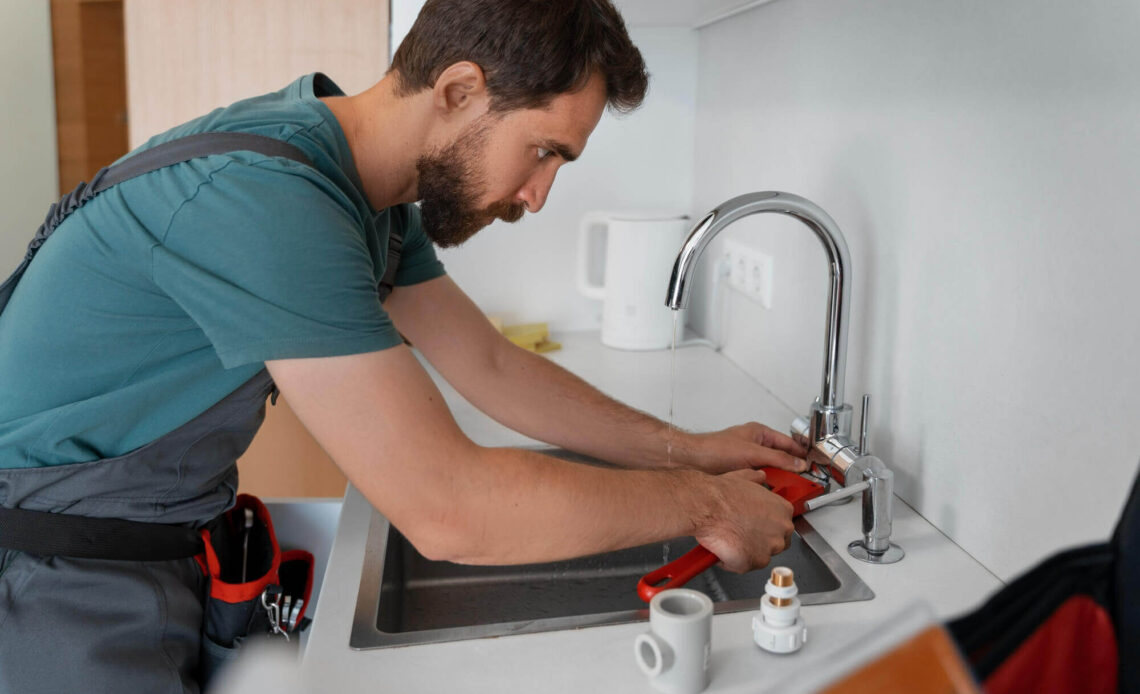
- Pipe wrench: Loosen or tighten pipes during manual inspections or unclogging.
- Wire coat hanger: Straighten out and use as an improvised tool to fish out blockages near the opening.
- Flashlight: Illuminate the inside of dark drains for better visibility of the obstruction.
Assessing The Problem
Identifying the issue is an essential first step before attempting to clear a blocked drain. Understanding the problem ensures the most effective solution is applied.
Identifying The Cause Of The Blockage
I inspect the drain to determine likely causes of the blockage. Common sources include food debris, grease, and soap scum in kitchen sinks or hair and soap residue in bathroom drains. Larger objects like wipes or sanitary products can clog toilets. I use a flashlight to check visible portions of the drain for these obstructions. If water drains slowly, the blockage is partial, typically allowing me to resolve it without disassembling the drainpipe. For completely unresponsive drains, I check for physical blockages in accessible areas or consider deeper clogs that might require drain snakes.
Signs Of A Completely Blocked Drain
A completely blocked drain often shows distinct signs. Standing water that doesn’t drain, gurgling sounds from connected pipes, or foul odors are clear indicators. Unused fixtures backing up (e.g., water rising in the shower when flushing the toilet) typically signal a major blockage. I also test multiple drains—if more than one is affected, a clog may exist in the main sewer line rather than an individual drainpipe.
Methods For Clearing A Blocked Drain
Clearing a blocked drain efficiently depends on the right method and tools. Below are different techniques that I have found effective in restoring proper drainage.
Using Hot Water And Dish Soap
Pouring boiling water mixed with dish soap can effectively loosen greasy clogs. I combine 2 quarts of boiling water with a few tablespoons of liquid dish soap and pour it slowly down the drain. This method works best on grease or soap scum blockages. Repeat this process if the clog persists, ensuring all grease dissolves completely.
Using A Plunger Effectively
A plunger creates suction to dislodge clogs blocking the drain. I position the plunger over the drain, ensuring a firm seal, and pump forcefully 10-20 times. Afterward, I check if water flows freely. For better results, I use a sink plunger for flat surfaces and a flange plunger for toilets.
Trying Baking Soda And Vinegar
The chemical reaction between baking soda and vinegar effectively breaks down organic blockages like hair or food debris. I first pour 1/2 cup of baking soda into the drain, immediately followed by 1/2 cup of vinegar. Covering the drain, I wait 15-20 minutes, then flush it with boiling water to clear remnants.
Using A Drain Snake Or Auger
Manual drain snakes or augers remove stubborn blockages deep in pipes. I insert the snake into the drain, twisting and maneuvering it to catch the obstruction. Once hooked or captured, I slowly retract it to extract the clog. This method works well for hair and solid debris in various pipes.
Investing In A Drain Cleaning Chemical
Drain cleaning chemicals dissolve tough clogs such as grease, hair, and soap scum. I always follow the manufacturer’s instructions, pouring the recommended amount of chemical into the drain and waiting the specified time. Flushing the pipes with hot water completes the clearing process. I use chemicals sparingly to avoid damage to pipes and the environment.
Preventing Damage During The Process
Drains can sustain damage if not handled carefully during the clearing process. I focus on safety and precision to protect the plumbing system from harm.
Warnings About Using Chemicals
Certain drain cleaning chemicals contain harsh ingredients that may corrode pipes, especially older metal ones. I avoid prolonged application or excessive quantities of chemical agents to minimize the risk of pipe damage. For septic systems, chemicals may disrupt natural bacteria balance, leading to further issues. I verify the chemical compatibility with my specific drainage setup by reviewing manufacturer instructions before use.
Tips For Protecting Your Drain Pipes
I use non-abrasive tools like a rubber plunger or a plastic drain snake to prevent scratching or cracking pipes. Gentle physical methods, such as pouring hot water, are safer for dislodging grease and soap scum. For tougher clogs, I work slowly with a drain auger to avoid aggressive twisting that could strain joints. If disassembling pipes, I handle connections gently to avoid bending or over-tightening threads.
Troubleshooting Common Issues
When clearing a blocked drain, complications like persistent clogs or recurring issues can arise. Addressing these problems promptly prevents further damage and frustration.
Blockage Not Clearing After Multiple Attempts
A stubborn clog that remains after several attempts requires reevaluating the approach. I check if the blockage location has been correctly identified. The clog might be deeper in the plumbing system, in which case I use a drain snake or auger to reach it. Inspect the drain trap if accessible, as solid debris often collects there. For kitchen sinks, grease buildup may require using hot water and degreasing agents together. Avoid excessive use of harsh chemicals if previous methods have failed, as they can damage pipes.
Dealing With Recurring Blockages
Recurring blockages occur due to underlying problems like pipe damage, improper waste disposal, or narrowed pipes from buildup. I ensure no improper items like grease, wet wipes, or excessive hair are entering the drain. Routine maintenance, including flushing drains with hot water and baking soda monthly, minimizes residue accumulation. To address narrowed pipes, I inspect for calcium deposits or scale and remove build-up with specialized descalers.
When To Call A Professional
Persistent issues like no improvement after using tools, repeated blockages despite preventive measures, or signs of major problems like sewer backups signal the need for expert assistance. I reach out to a licensed plumber for extensive blockages, structural damage, or pipe replacements to ensure the drainage system operates efficiently without risking further complications.
Preventing Future Blockages
Blocking drains frequently results from neglect or improper practices. Implementing preventive measures maintains clear and efficient drainage.
Regular Maintenance Tips
Maintaining drains regularly prevents clogs from forming. I flush kitchen and bathroom drains weekly with hot water to remove grease and buildup. A monthly cleaning with baking soda and vinegar is effective for dissolving organic residue. Installing and checking drain screens for debris every few weeks reduces the risk of blockages. Inspecting sink traps and pipes twice annually ensures early detection of potential clogging issues.
Proper Disposal Of Kitchen And Bathroom Waste
Disposing of waste correctly keeps drains clear. I avoid pouring grease, oil, or fat down kitchen sinks, opting instead to collect them in a disposable container. Food scraps belong in the trash or compost bins to minimize drain clogging risks. In bathrooms, I dispose of hair and soap fragments in waste bins rather than rinsing them down the drain. I strictly avoid flushing items like wipes, cotton swabs, or sanitary products since they can accumulate and obstruct piping systems.
Conclusion
Clearing a blocked drain doesn’t have to be overwhelming. With the right tools, techniques, and a bit of patience, most clogs can be resolved quickly and safely. Taking preventative steps and staying mindful of what goes down your drains can save you time, money, and frustration in the long run. However, if a blockage persists or seems too complex, don’t hesitate to seek professional help to protect your plumbing system. A little effort now can go a long way in maintaining efficient and hassle-free drainage.
Frequently Asked Questions
1. What causes blocked drains?
Blocked drains are typically caused by food debris, grease, soap scum, hair, or foreign objects like wet wipes. In some cases, tree roots or issues in the main sewer line can also lead to clogs.
2. How can I remove a simple drain clog at home?
You can clear a simple clog using a plunger, a baking soda and vinegar mixture, or by pouring hot water down the drain. For tougher clogs, a drain snake or auger may be necessary.
3. What tools do I need to clear a blocked drain?
Essential tools include rubber gloves, a plunger, a drain snake or auger, baking soda, vinegar, and hot water. Additional tools like a pipe wrench, wet/dry vacuum, or drain cleaning chemicals may also help.
4. How can I prevent future drain clogs?
Prevent clogs by disposing of waste properly, cleaning drains monthly with baking soda and vinegar, flushing with hot water weekly, and using drain screens to catch debris. Avoid pouring grease or inappropriate items into your sink or toilet.
5. Are chemical drain cleaners safe to use?
Chemical drain cleaners can resolve tough clogs but may damage older metal pipes or cause corrosion if used excessively. Always follow the instructions and check for compatibility with your plumbing system.
6. How do I know if I have a clog in the main sewer line?
Signs of a main sewer line clog include standing water in multiple drains, gurgling noises, slow drainage throughout your home, and unpleasant odors. This usually requires professional intervention.
7. What should I do if my drain stays clogged after multiple attempts?
If a clog remains after trying different methods, consider checking the drain trap for solid debris or using a drain snake. Persistent issues may indicate deeper problems and require a plumber’s expertise.
8. Can I use a wire coat hanger to clear a drain?
Yes, a straightened coat hanger can be used to remove hair or other solid debris from drains. Be cautious to avoid scratching or damaging the pipes.
9. When should I call a professional plumber?
Call a professional plumber if the blockage persists despite your efforts, if you notice signs of a clogged main sewer line, or if there’s evidence of pipe damage or recurring blockages.
10. Why is regular drain maintenance important?
Regular maintenance prevents clogs, reduces the need for repairs, and ensures your drainage system functions efficiently. Simple habits like flushing drains with hot water or inspecting for debris can save time and money long-term.