
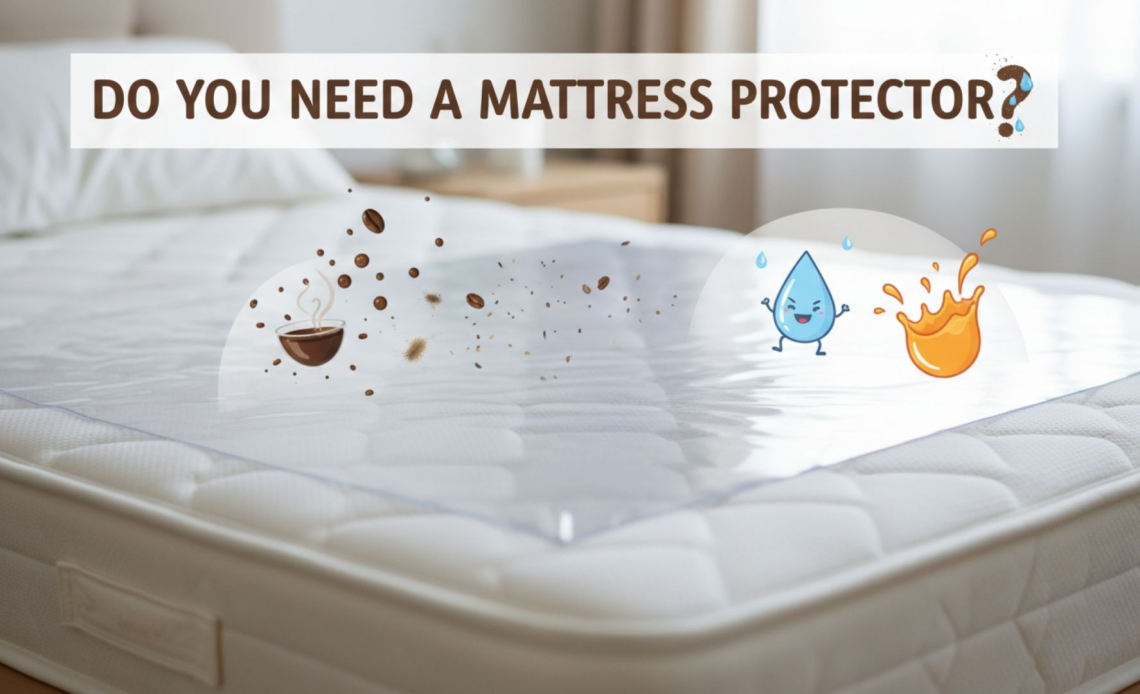
Most people spend plenty of time choosing a mattress, then toss on a fitted sheet and call it a day. A protector feels optional, like an add-on for parents of toddlers or people who spill coffee in bed.
Yet research suggests a lot of sleepers skip this layer. One recent survey found that around half of adults do not use a mattress protector at all, despite its role in hygiene and mattress life.
So is a protector something everyone truly needs, or only certain households? Let’s break down what it does, when it is essential, and when you might have some wiggle room.
What a Mattress Protector Actually Does?
A mattress protector is a thin, removable layer that fits over your mattress, usually with elastic edges like a fitted sheet. Its job is simple: create a barrier between your body and the mattress.
Most modern protectors combine a soft fabric upper with an underside membrane that resists liquid. Some are fully waterproof, others are more focused on breathability and light spill resistance.
This is different from a mattress pad or topper, which is mainly there to change the feel or add cushioning.
You will also see the word encasement. A standard mattress protector covers the top and sides.
A mattress encasement fully surrounds the mattress on all six sides and closes with a zipper, so it can also help against bed bugs and heavier allergen control.
Why Your Mattress Needs Protection?
Hygiene and allergens
Every night you leave a surprising amount of yourself in bed. Lab tests show that the human body can shed around 1.5 billion skin cells and release up to roughly half a liter of moisture or sweat overnight.
Without a barrier, that mix of sweat, body oils, and skin flakes soaks into the mattress layers where you cannot wash it out.
Over time this can:
- Feed dust mites
- Encourage bacteria growth
- Trap odors in foam and fibers
Mattress protectors create a washable shield. Many are designed to reduce the build-up of allergens such as dust mites, pet dander, and pollen, especially when you wash them regularly.
For anyone with allergies or asthma, that can mean less congestion and fewer flare ups at night.
Read More: 8 Best Mattresses Without Fiberglass
Mattress lifespan
Moisture is one of the quiet killers of mattresses. Repeated exposure to sweat and spills can break down foam cells, damage natural fibers, and lead to sagging or soft spots earlier than expected.
Over years, small stains add up to a mattress that looks and feels older than it really is.
A protector reduces how much liquid reaches the core materials, which helps the mattress keep its support and structure for longer. Think of it as inexpensive insurance for a big ticket purchase.
Warranty and stains
Most mattress warranties cover defects in materials or construction, not normal wear.
Many brands also specify that stains or signs of liquid damage can void the warranty, even if the problem you are reporting is sagging or a broken spring.
That means a single spilled drink or pet accident can give a retailer a reason to deny a valid claim.
Using a waterproof or very spill resistant protector makes it much easier to keep the surface clean and keep your warranty intact.
Who Absolutely Should Use a Mattress Protector
In some homes, a protector is optional. In many others, it is almost non negotiable. You can consider it essential if any of these describe your situation.
Families, kids, and pets
If children sleep on the bed, drink milk or juice in it, or are still mastering night time dryness, a protector is a must. The same goes for households where pets love to nap on the bed.
A decent waterproof protector catches:
- Bedwetting
- Spit up and nighttime bottles
- Pet accidents
- Muddy paws and fur
Instead of trying to lift stains out of the mattress itself, you strip the protector, wash it, and remake the bed.
Many parents keep two protectors and layer them, so in the middle of the night they can peel off the wet one and still have a dry bed underneath.
Allergy and asthma sufferers
If you wake with a stuffy nose, itchy eyes, or a scratchy throat, your mattress might be part of the problem. Dust mites and their droppings are a common trigger.
Allergy focused protectors use tightly woven fabrics and fully zippered designs to create a barrier between you and the mite colonies that naturally develop inside mattresses over time.
Studies show that limiting mites’ access to skin cells and moisture can reduce their numbers and may ease symptoms.
For moderate allergies, a high quality fitted protector that you wash often may be enough. For stronger symptoms, a full encasement is worth considering.
Hot sleepers and heavy sweaters
If you often wake up sweaty or live in a humid climate, your mattress is constantly absorbing moisture. That can lead to mildew smells and yellowed fabric, especially on foam and hybrid models.
A breathable waterproof protector helps keep that moisture at the surface where it can evaporate or be washed out, instead of sinking into the layers and staying there.
Look for language like breathable membrane and reviews that mention a cool feel rather than a plastic one.
Read More: When Is The Best Time To Buy A Mattress?
Anyone protecting a major investment
If you have spent serious money on a mattress, skipping a protector is a gamble. For a relatively small extra cost, you add a barrier that supports both hygiene and warranty coverage.
That matters even more if you plan to keep the mattress for many years or hope to resell or pass it on later.
When You Might Get Away Without One
There are a few situations where a protector is less critical:
- A rarely used guest bed in a dry, clean room
- A short term mattress in a temporary living situation
- A very low cost mattress you do not plan to keep for long
Even in these cases, a simple protector still makes sense, because it keeps the mattress looking fresh for guests and makes cleaning straightforward if there is an accidental spill.
But if your budget is tight and you truly never eat, drink, or sleep with pets in bed, it is possible to manage without one.
The trade off is accepting more wear, more embedded allergens, and a higher chance that any future warranty claim might be denied over stains.
How to Choose the Right Mattress Protector?
If you decide a protector belongs on your bed, the next question is which type. A little attention to materials and design can prevent that crinkly, plastic feeling people worry about.
Pick your level of protection
Think about what you are guarding against first.
- Everyday sweat and the occasional drink: A soft, waterproof fitted protector is usually enough.
- Bedwetting, pets that have accidents, or frequent spills: Look for fully waterproof models with strong elastic and deep pockets so they stay in place.
- Bed bugs or severe allergies: Consider a zippered encasement that covers all sides of the mattress.
Consider fabric and feel
Common protector fabrics include cotton terry, smooth knit cotton or polyester, and performance blends. Cotton and cotton rich fabrics remain popular because they feel familiar and tend to be gentle on skin.
If you are sensitive to heat, look for words like cooling, moisture wicking, or temperature regulating, and read reviews carefully to see if people actually experience a cooler feel.
Vinyl and older style plastic covers offer strong waterproofing but can trap heat and make noise when you move.
They still have a place for very heavy protection, yet most modern household protectors use quieter membranes that are bonded to fabric instead.
Check fit and depth
Measure your mattress height from bottom to top and compare it to the pocket depth on the protector. Pillow top and plush hybrid mattresses often need deep pocket protectors so the corners do not pop off at night.
For children’s beds or slimmer guest mattresses, a standard depth protector is usually fine.
Look for easy care
The real value of a protector is that you can wash it. Check the label before you buy and aim for:
- Machine washability in warm or cool water
- Tumble dry on low or medium heat
- Simple instructions without special detergents
High heat can damage waterproof membranes, so following the care directions will keep it performing longer.
How Often to Wash a Mattress Protector?
For most adults, washing the protector every one or two months is enough.
If you have allergies, sleep with pets, or sweat heavily, washing more often is worth it to clear allergens and odors.
In children’s rooms or any bed that sees frequent spills, wash the protector immediately after an accident and keep a spare on hand so you can remake the bed right away.
Read More: Mattress Size For Platform Bed
Conclusion
If your mattress was inexpensive, your home is very low risk for spills, and you are not concerned about warranty coverage, a protector remains optional.
For most people, though, it earns its place on the bed.
A good protector keeps sweat, skin cells, and liquid out of the mattress, cuts down on allergens, helps your mattress last longer, and can prevent a stain from voiding your warranty.
Considering the cost of a quality mattress, that is a modest price for peace of mind.
If you decide to get one, choose a protector that suits your level of risk and comfort preferences, make sure it fits well, and treat it as part of your regular laundry routine.
Your mattress will stay cleaner, fresher, and more supportive for years to come.