
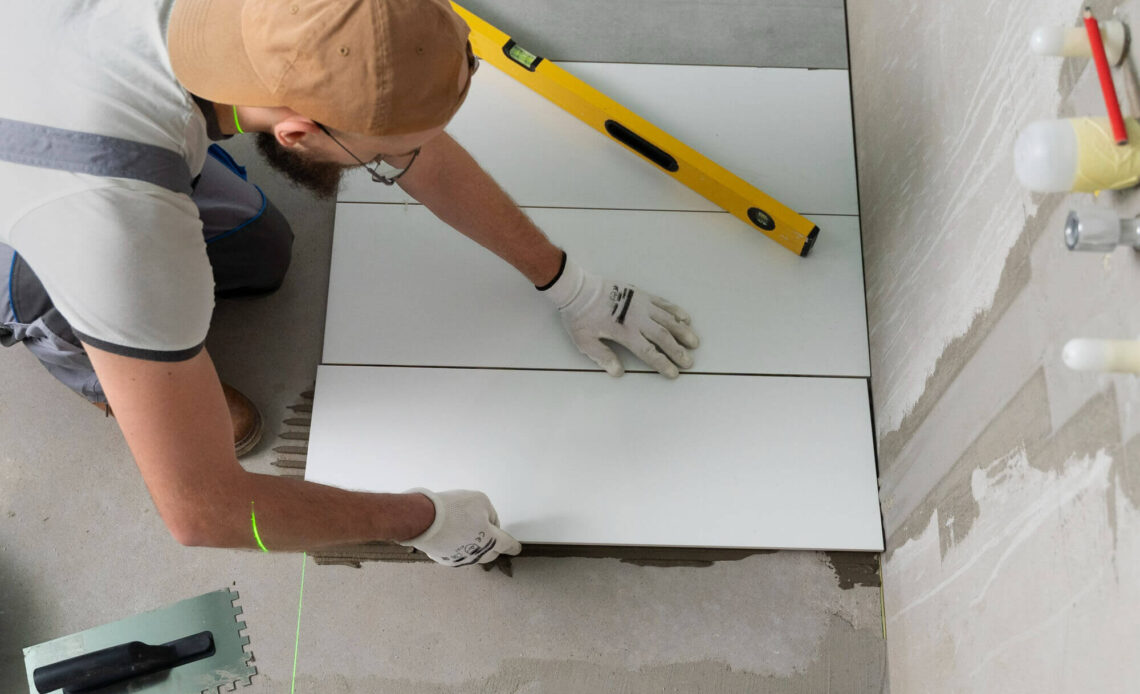
When it comes to transforming a space, flooring makes all the difference. I’ve always believed that the right floor can completely change the vibe of a room, but professional installations can get pricey. That’s where DIY flooring comes in—it’s cost-effective, creative, and surprisingly doable with the right guidance.
From peel-and-stick tiles to painted concrete, there’s no shortage of ideas to suit every style and budget. Whether you’re refreshing a single room or tackling your entire home, DIY flooring projects let you add a personal touch while saving money. Plus, there’s something so satisfying about admiring a space you’ve worked on with your own hands.
Materials And Tools Needed
Selecting the appropriate materials and tools streamlines DIY flooring projects and enhances overall efficiency. Below is a breakdown of essential tools, common materials, and optional accessories to achieve professional results.
Essential Tools For DIY Flooring Projects
- Measuring Tape: Ensures accurate measurements for cutting and fitting flooring materials.
- Utility Knife: Useful for cutting vinyl, carpet, or peel-and-stick tiles.
- Floor Roller: Secures adhesive-backed flooring or vinyl sheets evenly.
- Rubber Mallet: Ensures a snug fit for interlocking flooring, such as laminate or vinyl planks.
- Tapping Block and Pull Bar: Aligns planks during the installation process.
- Pry Bar: Aids in removing old flooring and baseboards.
- Level: Checks surface flatness before installing new flooring.
- Safety Gear: Includes gloves, kneepads, and safety glasses for protection when cutting or handling materials.
Common Materials For DIY Flooring
- Flooring Sheets or Tiles: Includes vinyl, laminate, peel-and-stick tiles, or engineered wood, depending on your preference.
- Flooring Adhesive: Required for tiles, vinyl sheets, or certain carpet installations.
- Underlayment: Enhances insulation, reduces sound, and levels uneven subfloors. Suitable for laminate and engineered wood.
- Grout or Joint Fillers: Completes tile installations by sealing spaces and preventing water damage.
- Sealers or Finishes: Protect and enhance the durability of painted or stained floors.
- Trim and Moldings: Provide a polished look and cover gaps at the edges.
Optional Accessories To Consider
- Tile Spacers: Ensures uniform spacing for ceramic or vinyl tiles.
- Heat Gun: Softens adhesive for easier removal of old flooring.
- Stencil Kits: Adds custom designs to painted floors.
- Construction Adhesive: Provides extra grip for stubborn materials or accessories.
- Decorative Edging: Frames flooring transitions or adds design elements to the perimeter.
Each tool and material listed here supports different flooring types and installation methods, making it customizable for your specific DIY flooring project.
Preparing For Your DIY Flooring Project
Preparation lays the foundation for a smooth and successful DIY flooring installation. Careful planning and organization prevent oversights and costly mistakes.
Measuring Your Space
Accurate measurements directly impact material quantities and cost estimation. I use a tape measure to record the length and width of each room, multiplying these dimensions to calculate square footage. For irregularly shaped rooms, I divide the space into smaller rectangular sections and sum their areas. Adding 10% to the total accounts for waste and cuts during installation.
Cleaning And Preparing The Subfloor
A clean, level subfloor ensures proper adhesion and longevity of the new flooring. I remove existing flooring, nails, and debris before vacuuming thoroughly. Sanding high spots and filling low spots with a leveling compound creates a flat surface. For moisture-prone areas like basements, I check for dampness and apply a moisture barrier if necessary.
Choosing The Right Flooring Material
Matching flooring material to the room’s function and traffic levels optimizes durability and aesthetics. For high-traffic areas like hallways, I consider durable laminate or vinyl. In moisture-prone spaces like kitchens, water-resistant materials such as tile are ideal. Bedrooms benefit from softer options such as carpet or cork. Checking the manufacturer’s specifications guarantees compatibility with subfloor types.
Setting A Budget
Budgeting defines the cost framework for the project and aids decision-making. I research material costs per square foot and factor in adhesive, underlayment, and optional accessories such as trims. Allocating funds for waste material—typically 10% extra—avoids shortages. Comparing prices from multiple sources helps reduce expenses while maintaining quality.
DIY Flooring Options And Techniques
Enhancing a space with DIY flooring involves selecting suitable materials and applying effective installation techniques. Practical options like hardwood, vinyl, and laminate offer a balance of style, durability, and personalization.
Hardwood Flooring Installation
Hardwood adds warmth and elegance to any room when installed correctly. I begin by choosing prefinished planks or unfinished wood, considering the room’s decor and usage. After cleaning and leveling the subfloor, I utilize a moisture barrier to protect the hardwood from damage.
For installation, I align the first plank against a chalk line to ensure a precise layout. Using a flooring nailer secures planks tightly, minimizing gaps. If I face uneven edges near walls, I trim planks with a miter saw for a seamless finish. Applying a polyurethane finish over unfinished wood strengthens its durability and shine.
Laminate Flooring Installation
Laminate flooring offers a durable and stylish option for DIY enthusiasts. Its ease of installation makes it an ideal choice for transforming any room efficiently.
Benefits Of Laminate Flooring
Laminate flooring combines affordability, versatility, and durability. Its multi-layer construction resists scratches and wear, making it suitable for high-traffic areas like entryways and living rooms. Water-resistant options are available, fitting well in kitchens or bathrooms. A wide range of designs, including wood-like and stone-like finishes, allows customization for various interior styles. It often uses a click-lock system, reducing the need for adhesive and saving time during installation.
Guide To Installing Laminate Flooring
- Prepare the subfloor. Ensure the subfloor is level, clean, and dry. Remove any old flooring or debris. Use a leveling compound for uneven surfaces to avoid installation issues.
- Lay an underlayment. Install a foam or felt underlayment to reduce noise and provide moisture protection. Overlap edges slightly and secure them with tape.
- Plan the layout. Measure the room and mark starting points. Avoid aligning boards with a single seam line by staggering the planks for stability.
- Cut and fit planks. Use a saw to trim boards as needed for a precise fit along walls or corners. Leave a 1/4-inch expansion gap between the flooring and walls to allow for natural movement.
- Install laminate planks. Begin at one corner, aligning planks with the tongue side facing the wall. Use the click-lock mechanism to securely connect each plank. Continue installing rows until the floor is complete.
- Finish edges and transitions. Attach baseboards or transition strips where required to cover gaps and provide a polished look.
Tips For Seamless Laminate Fitting
- Use spacers during installation to maintain consistent expansion gaps along walls and obstacles.
- Double-check measurements before cutting planks to avoid waste. Measure each cut to fit around fixed elements like doorframes or cabinets.
- Acclimate the flooring by storing the planks in the room for at least 48 hours before installation. This prevents warping caused by temperature or humidity changes.
- Utilize tapping blocks and pull bars for securing planks together without damaging their edges.
- Inspect each plank for defects before installation to maintain a flawless finish across the floor.
Vinyl Flooring Installation
Vinyl flooring combines affordability and versatility, making it an excellent option for DIY enthusiasts. Its straightforward installation and low maintenance add value to any space without compromising aesthetics.
Why Choose Vinyl Floors?
Vinyl floors offer durability and design flexibility for any room. They resist scratches and moisture, making them ideal for bathrooms, kitchens, and high-traffic areas. Available in planks, sheets, and tiles, vinyl mimics natural materials like hardwood and stone at a lower cost. Easy-to-clean surfaces enhance their practicality for households with kids or pets.
Laying Vinyl Plank Flooring
Proper installation ensures vinyl planks look seamless while maintaining stability. I start by preparing a level, clean subfloor, as debris can affect adhesion. Measuring the space and planning the plank layout minimizes waste and ensures even cuts around edges and obstacles. I recommend using a utility knife with a sharp blade to trim planks accurately.
Planks are clicked or glued down, depending on their type. For click-lock vinyl planks, I carefully align each piece with the previous one, securing it in place. Glued planks require evenly spreading adhesive on the subfloor and pressing the plank firmly. Using a floor roller helps remove air pockets and ensures a strong bond.
Waterproofing Tips For Vinyl
Additional waterproofing safeguards your vinyl floor investment. For bathrooms or laundry rooms, I seal perimeter edges using silicone caulk to prevent water infiltration. Installing a moisture barrier under the planks offers extra protection for spaces prone to spills. I inspect seams after installation to ensure tight fits, reducing risks of water seepage over time.
Tile Flooring Installation
Tile flooring provides a durable, water-resistant, and stylish option for DIY enthusiasts. By selecting the right tiles and following proper techniques, I can achieve a professional-quality finish in any room.
Types Of Tiles To Consider
Selecting the appropriate tile type impacts the appearance and functionality of the floor. Ceramic tiles, known for their versatility and affordability, suit bathrooms and kitchens. Porcelain tiles offer superior durability, making them ideal for high-traffic areas. Natural stone tiles, such as marble or slate, bring a luxurious finish but require additional sealing to prevent stains. Mosaic tiles, composed of smaller pieces, work well for decorative accents or intricate patterns.
Step-By-Step Tile Installation
Following a systematic installation process ensures neat and level results.
- Prepare the subfloor: Clean the surface by removing debris, grease, or wax, and ensure the subfloor is level. Uneven surfaces may require a self-leveling compound to create a smooth base.
- Plan the layout: Measure the room and mark the center point to align tiles symmetrically. Dry-lay tiles to test the pattern and adjust for cuts near walls.
- Apply adhesive: Use a notched trowel to spread tile adhesive evenly over a small area to prevent it from drying too quickly.
- Lay the tiles: Place each tile into the adhesive, pressing firmly to ensure a strong bond. Use spacers to maintain consistent grout joint widths.
- Cut tiles as needed: Trim tiles for edges and corners with a tile cutter or wet saw, keeping cuts precise for a polished finish.
Grouting And Sealing Tiles
Grouting and sealing protect the tiles and enhance their appearance. After the adhesive has set, I remove the spacers and mix the grout according to the manufacturer’s instructions. Using a rubber grout float, I fill the grout lines by spreading the mixture at a 45-degree angle. Wiping excess grout with a damp sponge prevents residue buildup on tile surfaces.
Once the grout has cured, applying a grout sealer minimizes moisture absorption and preserves the grout color. For porous tiles like stone, I also use penetrating or surface sealers to prevent damage from spills or stains.
Carpet Tiles And Area Rugs
Carpet tiles and area rugs provide versatile and budget-friendly flooring solutions, combining practicality with aesthetic appeal. These options suit various spaces and decor styles, enhancing comfort and design effortlessly.
Advantages Of Carpet Tiles
Carpet tiles offer versatility and durability. These modular pieces allow for personalized patterns and layouts, making them ideal for creating unique designs. Their easy replacement feature minimizes upkeep costs; if one tile gets damaged, swap it without needing to replace the entire floor. Carpet tiles also provide excellent sound insulation and warmth, improving acoustics and comfort in any room. This flooring option is particularly suited for spaces like offices, playrooms, or high-traffic residential areas.
Easy Steps For Carpet Tile Installation
Installing carpet tiles requires minimal tools and preparation.
- Prepare the subfloor. Clean and smooth the surface to ensure proper adhesion, removing dirt, debris, or any old adhesive.
- Plan the layout. Start at the room’s center for a balanced result. Mark the midpoint using chalk lines to guide installation.
- Apply adhesive or use peel-and-stick tiles. Follow the tile manufacturer’s adhesive guidelines, ensuring secure placement.
- Lay tiles in your selected design. Align tiles precisely, alternating patterns or colors as desired for a custom look.
- Trim edges. Use a utility knife to cut tiles to fit corners and walls accurately.
For tighter installation, I check the alignment frequently while working across the area.
Adding Area Rugs For Style And Comfort
Area rugs enhance aesthetics while adding a layer of comfort. They instantly elevate room decor with various colors, patterns, and textures, while also protecting underlying flooring from wear. Placement defines zones in open spaces; for example, a large rug under a seating area creates visual cohesion. Opt for rugs with non-slip backing in high-traffic areas to ensure safety. Regular vacuuming keeps rugs clean and maintains their appearance over time.
Helpful Tips And Tricks
Implementing practical tips ensures a smoother DIY flooring process. Addressing potential challenges early enhances efficiency and results.
How To Avoid Common Mistakes
Preventing errors requires attention to detail and thorough preparation.
- Measuring Accurate Dimensions: Confirm space measurements twice before cutting materials to minimize waste. For example, re-measuring after marking lines avoids incorrect cuts.
- Preparing Subfloors Properly: Ensure subfloors are clean, level, and dry, as uneven surfaces can cause premature wear or material lifting.
- Using Appropriate Adhesives: Select adhesives specified for the chosen flooring material to ensure a strong bond. For instance, tile adhesive differs from vinyl adhesive.
- Allowing Material Acclimation: Place flooring in the installation area for 48 hours to adjust to room temperature and humidity, preventing expansion or contraction post-installation.
Enhancing Safety During Installation
Prioritizing safety reduces risks and prevents injuries during DIY flooring projects.
- Using Protective Gear: Wear gloves, safety goggles, and knee pads to protect against sharp tools, debris, and strain during prolonged work.
- Cutting Flooring Safely: Use utility knives or saws on stable surfaces with controlled force and avoid hasty movements to prevent accidents.
- Maintaining a Clear Workspace: Remove obstructions and store tools appropriately to prevent tripping and enable efficient work progress.
- Handling Adhesives and Sealants Carefully: Work in well-ventilated areas and avoid skin contact to mitigate exposure to fumes and irritants.
Tricks For A Perfect Finish
Achieving a professional-quality finish enhances the durability and appearance of DIY flooring.
- Aligning Planks and Tiles Precisely: Use spacers and layout guides to maintain consistent gaps and straight lines, ensuring a seamless look.
- Trimming Edges Cleanly: Cut edges methodically and double-check alignment before securing pieces to prevent visible gaps or uneven edges.
- Sealing Floors Effectively: Apply appropriate sealants, such as silicone for tiles or polyurethane for hardwood, to enhance water resistance and durability.
- Blending Patterns and Colors: Mix planks or tiles from multiple boxes to ensure a uniform appearance and avoid noticeable color variations across the floor.
Troubleshooting Common Issues
DIY flooring projects may encounter unexpected challenges. Identifying and addressing common issues ensures professional-level results and long-term durability.
Dealing With Uneven Subfloors
Flattening an uneven subfloor improves the overall stability and appearance of the finished flooring. I inspect the entire subfloor for high spots and low areas. For high spots, I sand them down using a belt sander. For low areas, I apply a self-leveling compound, following the manufacturer’s instructions for proper curing. If the subfloor is severely uneven, I consider using plywood underlayment to create a uniform base before installation.
Fixing Gaps Between Flooring Panels
Closing gaps between flooring panels enhances both aesthetics and functionality. I check if the gaps formed due to improper alignment or expansion. For small gaps, I use wood filler or color-matched putty; for larger gaps, I tap panels closer together using a tapping block and a mallet without damaging the flooring. If gaps are persistent, I inspect humidity levels as temperature changes may cause expansion or contraction, and I consider installing a humidifier or dehumidifier to stabilize conditions.
Addressing Flooring Squeaks Or Creaks
Eliminating squeaks or creaks ensures a quieter and more pleasant flooring experience. I locate the source of the sound by walking on the flooring. For minor squeaks, I apply powdered graphite or talcum powder between affected boards. For subfloor-related creaks, I secure loose subfloor sections using screws. Where flooring and subfloor separation occur, I inject adhesive into the gap and use weights to press the boards together until it sets.
Repairing Damage To DIY Flooring
Restoring damage maintains the flooring’s appearance and prevents further issues. For surface scratches on wood or laminate, I apply a wood repair marker or wax filler stick that matches the material. For deep dents or gouges, I use epoxy wood filler and sand it smooth before applying a matching finish. In the case of vinyl flooring tears, I replace the damaged plank or tile by heating it to loosen adhesive and carefully swapping it with a new cut piece that aligns with the design pattern.
Maintenance And Care
Proper maintenance ensures the longevity and appearance of DIY flooring. Consistent care protects the investment and keeps floors looking their best.
Cleaning Tips For Different Flooring Types
Effective cleaning methods depend on the flooring material.
- Hardwood Floors: Use a soft-bristle broom or microfiber mop to remove dust. Avoid soaking with water; instead, use a damp cloth for spot cleaning. A pH-neutral hardwood cleaner can help retain shine.
- Vinyl Floors: Sweep or vacuum regularly to eliminate debris. Use a damp mop with mild soap. Avoid abrasive cleaners to prevent damage.
- Laminate Floors: Use a dry mop or vacuum without a beater bar. To clean spills, wipe with a lightly damp cloth. Prevent water pooling to avoid warping.
- Tile Floors: Sweep or use a vacuum to remove loose debris. Wash with a mixture of warm water and a small amount of non-abrasive cleaner. Pay attention to grout lines to prevent staining.
- Carpet Tiles: Vacuum frequently. Treat stains by blotting immediately with a mix of warm water and mild detergent. Avoid excessive moisture to prevent adhesive degradation.
How To Prolong The Life Of Your Flooring
Maintaining durability requires preventative care and attention.
- Use Mats And Rugs: Place door mats at entrances to minimize dirt exposure. Use rugs in high-traffic spots to reduce wear.
- Protect From Furniture: Install felt pads under furniture to prevent scratches or dents. Avoid dragging heavy items across the floor.
- Control Moisture: Maintain proper humidity to prevent warping in wood or laminate. Address spills promptly to protect water-sensitive materials.
- Regular Maintenance: Schedule routine inspections to fix flaws like loose tiles or lifted edges. Early repairs can prevent further deterioration.
Seasonal Care Advice For Flooring
Seasonal changes demand specific flooring care strategies.
- Spring And Summer: Monitor humidity levels, especially for wood and laminate, to prevent expansion. Use blinds or curtains to limit direct sunlight on floors that might fade.
- Fall And Winter: Prevent salt and moisture damage by placing mats near doors. Clean spills from melting snow promptly. Use a humidifier during dry months to maintain ideal flooring conditions.
- Year-Round Practices: Follow cleaning schedules. Check protective finishes and reapply as necessary to maintain flooring resilience.
Conclusion
DIY flooring projects offer an incredible opportunity to transform your space while staying within budget and adding a personal touch. With the right preparation, tools, and techniques, you can achieve professional-quality results that reflect your style and creativity. Whether you’re tackling hardwood, vinyl, laminate, tiles, or carpet tiles, the key is to plan carefully and take your time.
Remember to prioritize safety, stay organized, and follow best practices to ensure a smooth process and long-lasting results. With a little effort and attention to detail, you can create stunning floors that enhance the beauty and functionality of your home.
Frequently Asked Questions
What are the benefits of DIY flooring?
DIY flooring is a cost-effective way to upgrade your space while allowing you to customize the design to your taste. It also gives you the satisfaction of completing a hands-on project and eliminates expensive labor costs.
What tools are essential for DIY flooring projects?
Key tools include a measuring tape, utility knife, floor roller, and appropriate adhesive. Optional items like tile spacers and stencil kits can be helpful for better precision and design customization.
How do I prepare my subfloor for installation?
Ensure your subfloor is clean, dry, and level. Remove any debris or old flooring, fill gaps or cracks, and apply a moisture barrier if necessary, depending on the flooring material.
Which flooring options are most durable for high-traffic areas?
Vinyl, laminate, and tiles are excellent options for high-traffic areas due to their durability, moisture resistance, and low maintenance.
How do I install laminate flooring?
Prepare the subfloor, lay an underlayment, plan your layout, cut planks to fit, and secure them using a click-lock system. Use spacers and ensure planks are aligned for a flawless finish.
Can I DIY tile flooring, and how challenging is it?
Yes, you can DIY tile flooring. It requires careful prep, including subfloor leveling and layout planning, but with patience and the right tools, it’s manageable for most DIY enthusiasts.
What are the benefits of using vinyl flooring?
Vinyl flooring is affordable, versatile, and easy to install. It’s waterproof, scratch-resistant, and available in various styles, making it ideal for bathrooms and kitchens.
How do I waterproof vinyl flooring?
To waterproof vinyl flooring, seal edges with silicone caulk, use a moisture barrier for the subfloor, and ensure the adhesive or click-lock system provides a tight bond.
Can carpet tiles be installed in DIY projects?
Yes, carpet tiles are ideal for DIY projects. They’re simple to install using peel-and-stick backing or adhesive, and their modular design makes replacements easy.