
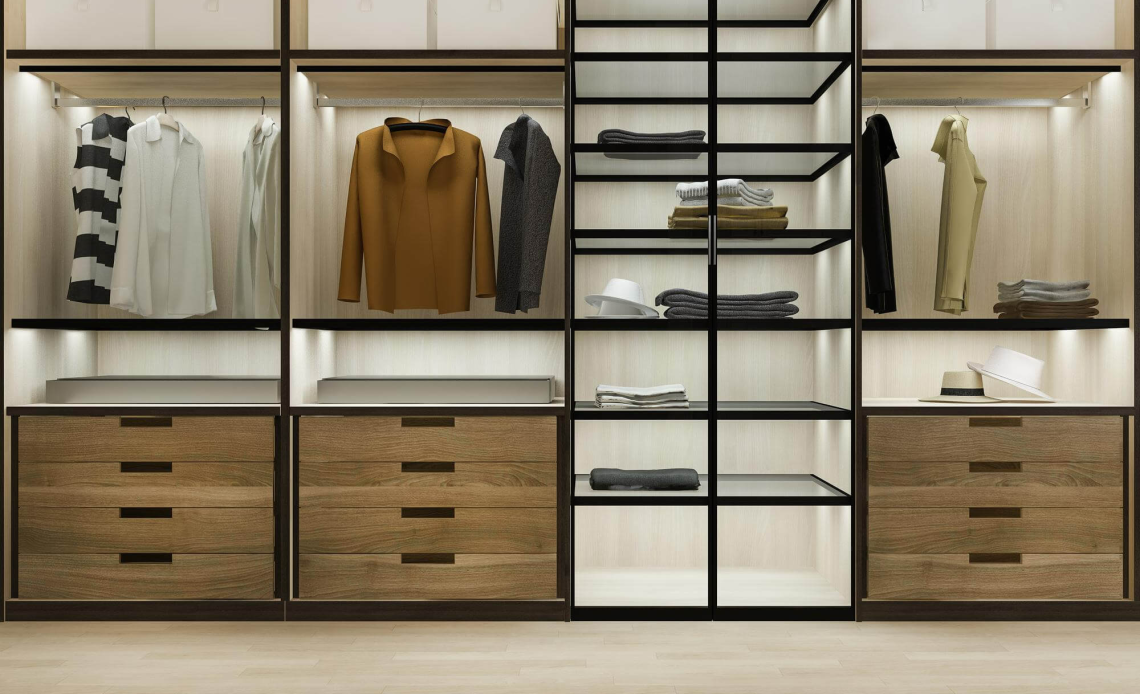
Why sliding wardrobes are perfect for compact bedrooms
Small bedrooms test every design decision. The bed, side tables, and a window can leave very little space for opening doors. Sliding wardrobes solve this with panels that move within their own track, so nothing swings out into the room. The benefit is simple. You can place the wardrobe closer to the bed or a study desk, and you can still open it comfortably. Sliding systems also create a clean, modern plane that calms the room visually. With the right finish, they reflect light and make a small bedroom feel larger. When planned with smart internals, a sliding wardrobe holds more than a hinged unit in the same footprint because you can run it longer across a wall and keep access intuitive.
Getting the measurements right from the start
Good design begins with accurate dimensions. Measure the total wall length that can be dedicated to the wardrobe, and then note obstructions like switches, skirting, windowsills, beams, and the swing of the bedroom door. Height matters for storage, so measure from finished floor to finished ceiling at two or three points because floors are rarely perfectly level. A standard comfortable internal depth is around 24 inches to allow hangers to sit without cramping sleeves. If the room is very tight, you can work with a slightly shallower carcass and offset hangers inward, but that requires careful detailing of the hanging rail. The clear passage between the bed and wardrobe should allow a person to walk without turning sideways. If you can maintain about 30 to 36 inches, the room will feel more relaxed. These early numbers shape every later choice from track type to door count.
Choosing the best layout for the wall you have
Sliding wardrobes work best when they run in a straight line along one wall. In small bedrooms, a two or three panel configuration covers most needs. Two wide panels suit spans up to about eight feet and create fewer vertical lines. Three narrower panels suit longer walls and give more flexible access because you can slide the center to open two zones at once. If your bedroom has an awkward column, plan the wardrobe in two blocks with aligned tracks, so the panels read as one continuous front. For rooms with a recess, push the carcass into the niche and allow the doors to span from wall to wall. This hides irregularities and uses every inch. When the room shape is L shaped, avoid trying to slide around the corner. Instead, treat each leg as a separate straight run so the doors glide smoothly and the tracks remain simple.
Selecting the right sliding system
At the heart of a sliding wardrobe is the track and roller system. Top hung systems suspend the panels from a strong upper track, leaving the bottom clear or using only a slim guide. They feel light underfoot and reduce dust build up in the lower channel. Bottom rolling systems carry the weight on the floor track and use a guide on top to keep panels steady. They are easier to retrofit in homes where the ceiling cannot take load. Both systems can be made silent and smooth with quality rollers and buffers. Choose soft closing mechanisms that catch the door gently in the last inches, which protects finishes and keeps the room quiet. Pay attention to load rating because mirrored or glass panels weigh more than laminate. A good system will specify the maximum door width and height for consistent gliding. Installers should level tracks precisely and ensure that frames are plum so the doors do not drift open.
Framed or frameless panels and what they mean for style
Framed sliding doors have slim aluminum profiles around the panel edges. They add strength and allow combinations like laminate with glass inserts. The frame provides a comfortable grip and protects corners from chipping. Frameless sliders use concealed hardware with minimal visible edging, which creates a seamless look that suits modern rooms. They rely on strong core materials and careful fabrication to stay true over time. If the bedroom needs a bold statement, framed doors in a dark anodized finish with a crisp grid pattern can turn the wardrobe into a subtle feature wall. If you want the wardrobe to disappear, frameless panels in a matte neutral tone or in mirrored glass dissolve into the room.
Materials that balance durability and finish
The carcass structure does the heavy lifting, so select boards that handle fasteners well and resist sag. Plywood with proper sealing is reliable for carcasses because it holds screws tightly for drawer channels and hanging rails. High moisture resistant engineered boards are also viable if edges are sealed and the room has normal humidity. For the door skin, laminates offer huge variety, clean easily, and resist scratches. Acrylic and lacquered glass give depth and reflect light, which is helpful in compact rooms. Mirrored panels double the visual width of the space and remove the need for a separate dressing mirror, but they require smooth tracks and good buffers so the doors do not rattle. Textured laminates in wood grains add warmth and pair well with soft, neutral wall colors. If you like the idea of fabric texture without the maintenance, look for woven look laminates that give a tactile effect with a wipeable surface.
How to divide internal storage for daily ease
Think about what you store and how often you use it. A practical split includes full height hanging on one side for dresses and long kurtas, mid height hanging for shirts and trousers, shelves for folded clothes, and deep drawers for smaller items. Overhead lofts above the sliding doors are perfect for seasonal bedding and suitcases. Drawers inside a sliding wardrobe work best when positioned where a panel can reveal them fully. Consider a set of inner drawers behind one dedicated leaf so you do not have to slide back and forth during a weekday rush. Pull out trouser racks and tie organizers save space and keep items crisp, while a pull down hanging rail makes high storage reachable without a stool. Shoe trays on the lower shelf can be angled for visibility, and a simple drip mat inside keeps dust from shoes contained. Plan at least one lockable drawer for documents and jewelry. Lighting inside the wardrobe helps more than you think. A motion sensor LED strip along the vertical stile turns on automatically and turns off when you close the door, which keeps the bedroom darker during early mornings.
Making corners and awkward niches work
Corners are tricky in small rooms because sliding systems need straight runs. The best approach is to let the main sliding wardrobe claim the long wall and then use the return wall for a shallow linen cabinet with hinged doors. This avoids clumsy corner sliders that are hard to access. If the room has a niche that is not deep enough for a full wardrobe, turn it into an open dressing bay with a mirror, a small drawer, and a stool. The sliding wardrobe can stop neatly against this bay, which becomes a light and useful moment in the room. For very narrow bedrooms, consider a full height shallow sliding cabinet for folded clothes only, paired with a separate tall unit in another corner for hanging. Splitting storage in this way keeps the main walkway clear.
Integrating a study desk or dresser with the wardrobe
Small bedrooms often need a study or a vanity. You can integrate both without crowding the room. Place a slim desk between two wardrobe blocks and run a continuous overhead cabinet to tie the composition together. The sliding doors stay on their tracks, and the desk niche breaks the long facade so the room looks less boxy. For a dresser, set a mirror and drawers at one end of the wardrobe and keep the sliding section on the longer span. Use a small stool that tucks fully under the counter so the walkway remains open. Electrical points for a laptop, a hairdryer, or a trimmer should be planned before fabrication so wires do not drape across panels.
Color and finish strategies that enlarge the room
Light toned wardrobes reflect more ambient light and reduce the visual bulk of a large storage unit. Whites, soft greys, pale beige, and gentle wood tones are forgiving and pair with most bedding and curtain palettes. If you love deeper colors, confine them to narrow vertical bands or to a central framed panel while keeping the rest light. High gloss finishes bounce light and create a sleek look, while super matte finishes feel premium and hide fingerprints. Mirrored panels make the room look twice as wide, but they will reflect clutter if the bed area is not kept tidy. An elegant compromise is to use a half height mirror on one panel and a matching matte finish on the other, which gives brightness without turning the wardrobe into a full mirror wall. Handles can either vanish or add character. Integrated finger pulls keep the plane uninterrupted. Slim vertical profiles in brushed metal create a gentle rhythm and help tall doors feel balanced.
Ventilation, lighting, and electrical planning inside
Clothes need air, especially in humid climates. Include discreet ventilation slots at the top or use a louvered back panel for sections that hold shoes or gym gear. Avoid sealing the wardrobe so tight that moisture gets trapped. For lighting, a continuous LED strip placed behind a small diffuser along the inner vertical edge gives even light without hot spots. Motion sensors make operation hands free and save energy since the lights switch off after a short delay. Plan an internal socket in a safe, accessible corner if you charge a trimmer or use a handheld garment steamer. Keep wires secured inside channels so they do not snag hanging clothes.
Managing mirrors and safety
If you choose mirrors on sliding panels, use safety backed glass that holds together if it cracks. Specify polished edges and ensure the mirror sits within the frame so corners do not chip during daily use. Clean with soft cloths and avoid abrasive pads that can scratch coatings. In homes with children, consider tempered glass or acrylic mirror sheets. Acrylic is lighter and safer, though it can pick up micro scratches more easily. For extra assurance, apply an anti shatter film even on tempered glass so fragments remain attached to the panel in the rare event of impact.
Keeping the track clean and the glide silent
Sliding systems feel luxurious when they are quiet. Dust and hair collect in lower tracks, so design them with a removable cover or with a channel that can be vacuumed easily. Ask the installer to demonstrate how to unclip and clean rollers if needed. Soft close dampers should be accessible for replacement years down the line. During installation, insist on rubber or felt buffers at the ends so doors do not knock into the carcass. If you hear a scrape after a few months, do a quick check for a loose screw or debris. A minute of maintenance returns the smooth glide that makes sliders a joy to use.
When to add lofts and when to pause
Lofts above sliding wardrobes add significant volume for suitcases, quilts, and festival decor. They are especially useful in small homes where storage spills into other rooms. The decision comes down to ceiling height and proportion. In rooms with standard slabs, a deep loft can lower the perceived height if the door finish is very dark. To keep the room light, match the loft finish to the wall color or to the ceiling tone so the top band recedes. Use lift up shutters with quality gas stays for easy access. Keep heavy items in the center section supported by vertical partitions that transfer weight to the floor.
Budget choices that do not feel like compromises
Not every finish needs to be premium to look good. A well chosen textured laminate gives warmth and hides minor scuffs. Reserve glass or acrylic for one panel and finish the others in a complementary matte tone to control cost while keeping the design interesting. Spend on sliding hardware, soft close dampers, and sturdy aluminum profiles because they define daily experience. Invest in drawers and shelves that match your wardrobe habits. Save by simplifying internal partitions and by using standard sizes that maximize board usage during fabrication. A calm, well proportioned front with fewer material changes can look more expensive than a busy facade with many inserts.
A step by step plan for a small bedroom
Start by mapping the bed, the walkway, and the window. Decide which wall can host the longest uninterrupted run. Fix the sliding system type based on whether the ceiling can take load. Choose carcass material and door finish as a set, keeping in mind the light in the room and how much reflection you want. Plan internal zones for long hanging, short hanging, folded clothes, and accessories. Add inner drawers where you can access them without moving two panels at once. Place a mirror either on a panel or in a dressing bay depending on privacy and reflection. Confirm electrical points and internal lighting. Review drawings that show section by section dimensions so there are no surprises during installation. Finally, walk the plan in the actual room with masking tape on the floor to feel clearances before you commit.
Styling the rest of the room around the wardrobe
The wardrobe is a big surface, so let it set the tone. If the panels are calm and light, you can add a patterned bedcover or textured curtains without visual clutter. If the wardrobe uses a strong wood grain, keep bedding simple and add interest with cushions and a throw. Place a narrow rug along the walkway to soften the look and protect the floor from the path you will use daily. Wall art should be sized modestly in small bedrooms so the room remains breathable. Bedside lamps with soft shades keep light gentle and prevent harsh reflections on mirrored panels. A small plant on the dresser adds life without crowding. These gentle choices help the wardrobe feel integrated rather than dominant.
Common mistakes to avoid in compact rooms
The most frequent error is choosing panels that are too wide for the hardware, which causes sag and uneven glide. Another is ignoring the internal depth needed for hangers, leading to crushed sleeves or doors that touch clothes when sliding. Placing inner drawers behind multiple sliding leaves is a daily irritation, so dedicate one bay to drawers that can be revealed with a single move. Neglecting electrical points for dressing tools or for a study niche leads to messy extensions later. Dark, glossy panels opposite a sunny window show streaks and fingerprints faster than you may expect, so choose finishes with care for the wall they face. Finally, skipping soft close or buffers results in bangs that disturb sleep in small homes. A few thoughtful decisions reduce all of these problems to zero.
Living with a sliding wardrobe every day
The best sliding wardrobe becomes a quiet part of your routine. You slide, pick, and close, and the panels settle with a soft hush. Clothes are visible, drawers glide, and the mirror helps you get ready without stepping into the hall. Maintenance is light. A quick vacuum of the track, a weekly wipe of the panels, and an occasional check of roller screws is all it needs. When seasons change, rotate heavy items to the loft and bring lighter pieces down where they are easy to reach. If your storage needs shift over the years, modular internals like shelves and rails can be moved up or down without changing the entire carcass. That flexibility is the true value of a well designed sliding wardrobe in a small bedroom.
The calm confidence of a well planned facade
A small bedroom can feel serene when storage serves you quietly. Sliding wardrobes free up precious walkway space and let furniture sit where you need it. With accurate measurements, the right track system, sturdy carcasses, and considered finishes, the wardrobe becomes a clean backdrop rather than a bulky block. Mirrors or soft matte panels reflect light gently. Internals adapt to your clothes and devices. Everything has a place, and nothing requires extra effort to reach. This calm confidence is what turns a tight room into a comfortable retreat. The design disappears into daily life while giving you the order and ease that make mornings smoother and nights more restful.