
Choosing the perfect hot water system can feel overwhelming with so many options out there. I’ve been there—deciphering energy ratings, comparing tank sizes, and figuring out which type suits my home best. It’s not just about having hot water on demand; it’s about finding a system that fits your needs, saves energy, and works seamlessly with your lifestyle.
The right hot water system can make a world of difference in comfort and efficiency. Whether you’re considering gas, electric, solar, or heat pump systems, understanding the key factors can save you time, money, and headaches. Let’s break it down so you can make an informed choice without second-guessing yourself.
Understanding Different Types Of Hot Water Systems
Selecting the ideal hot water system becomes simpler when each type’s features are clearly understood. I will break down the primary options to help differentiate them effectively.
Storage Tank Water Heaters
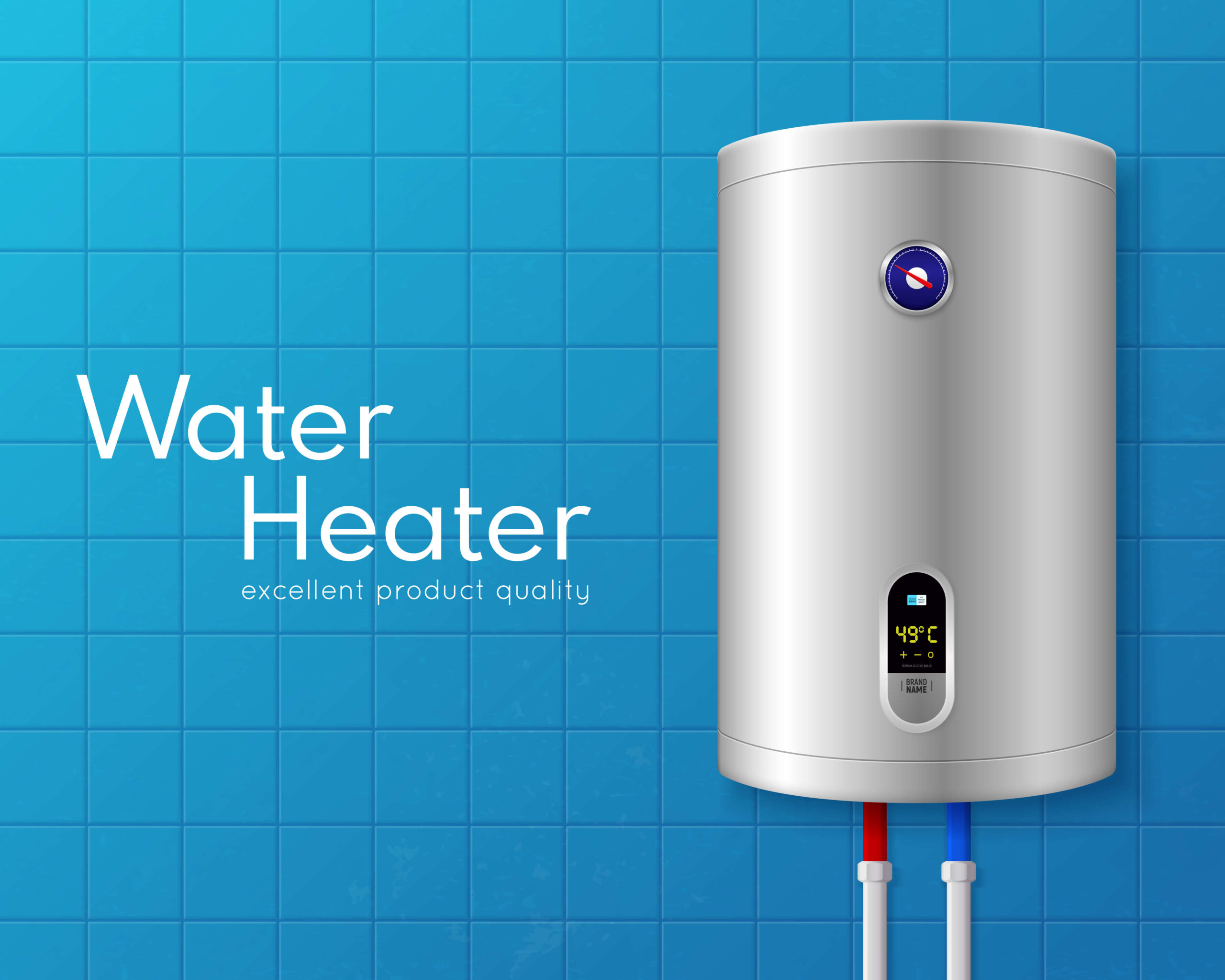
Storage tank water heaters store heated water in a large insulated tank, ready for use at any time. Capacities vary between 20 and over 80 gallons, making them suitable for households with different water demands. Regular maintenance is essential to prevent sediment buildup that can impact efficiency.
Tankless (On-Demand) Water Heaters
Tankless water heaters heat water as it flows through the unit, without requiring a storage tank. They provide hot water instantly, reducing standby energy losses. Suitable for households with limited space, these systems often require a higher upfront investment but achieve greater energy efficiency over time.
Heat Pump Water Heaters
Heat pump water heaters draw heat from the surrounding air to warm water, using electricity primarily to transfer heat rather than generate it. Units work best in warm climates and are highly energy-efficient when installed in well-ventilated areas. Installation costs can be higher but deliver significant long-term savings.
Solar Water Heaters
Solar water heaters use solar energy collected by rooftop-mounted panels to heat water. Systems often include backup storage tanks to provide heated water during cloudy days. Effectiveness depends on the local climate, making them more ideal for regions with abundant sunlight. These systems deliver renewable energy benefits and potentially lower utility costs.
Condensing Water Heaters
Condensing water heaters capture heat from exhaust gases to preheat incoming water, increasing energy efficiency. Most models are designed for households requiring considerable hot water, as they operate optimally under higher usage conditions. Installation suits homes already connected to a natural gas source.
Materials And Tools You Might Need
Proper tools and materials simplify the process of selecting the right hot water system. Each step demands specific items to ensure accurate comparisons and decisions.
Tools For Calculating Energy Efficiency
Energy efficiency calculators help determine long-term operational costs for hot water systems. I use online tools provided by manufacturers, utility companies, or energy boards to calculate monthly energy use based on system ratings and family consumption patterns. A digital thermometer measures water temperature to confirm system output matches efficiency specifications.
Materials For Comparing Costs
Cost comparison requires detailed data. I rely on manufacturer brochures, system specification sheets, and installation quotes from licensed professionals to understand upfront and maintenance expenses. An energy consumption chart tracks utilities, revealing ongoing costs. For systems like solar, I gather regional solar radiation data to evaluate performance.
Factors To Consider When Selecting The Perfect Hot Water System
Carefully evaluating specific factors ensures the hot water system meets household needs while remaining cost-effective and energy-efficient. Consider the following aspects before making a decision.
Household Size And Usage Requirements
Accurately estimate hot water needs based on the number of people in the household and daily usage patterns. For example, a family of four typically requires a tank capacity of 50-80 gallons, whereas a single occupant may only need 20-30 gallons. Consistently high water consumption often suits tankless systems, while moderate usage aligns well with storage tank models.
Energy Efficiency And Sustainability
Focus on systems with high energy efficiency ratings to reduce operational costs and environmental impact. Look for ENERGY STAR-certified models or systems with a high Uniform Energy Factor (UEF). For homeowners prioritizing sustainability, consider solar water heaters or heat pumps, which use renewable or ambient energy sources.
Budget Considerations
Establish a clear budget, factoring in both upfront costs and long-term expenses. For instance, tankless water heaters and solar systems may require higher initial investments but offer significant savings in energy bills over time. Compare costs from multiple manufacturers and include installation fees when evaluating options.
Type Of Fuel Or Energy Source Available
Choose a water heater that aligns with the available fuel or energy type in the home. Homes with natural gas lines can benefit from gas-powered units, while areas with lower electricity costs may favor electric systems. In sunny regions, solar water heaters often prove to be the most efficient and eco-friendly solution.
Space And Installation Requirements
Evaluate the available space and ensure compatibility with the water heater. For homes with limited space, compact tankless units or wall-mounted systems provide practical options. Proper ventilation is also crucial for gas and condensing systems to prevent hazardous gas accumulation.
Maintenance And Lifespan
Select systems based on durability and maintenance needs. Conventional storage tanks typically last 10-15 years with regular descaling, while tankless models and heat pumps can function efficiently for up to 20 years. Opt for systems that provide accessible parts and warranties to simplify repairs and ensure longevity.
Tips For Evaluating Energy Efficiency
Identifying the most energy-efficient hot water system saves costs and reduces environmental impact. I focus on three critical aspects to ensure a system meets efficiency expectations.
Understanding Energy Star Ratings
I analyze Energy Star ratings to identify systems designed for high efficiency. These ratings indicate compliance with strict energy-saving guidelines established by the EPA. For example, an Energy Star-certified tankless heater or an energy-efficient heat pump guarantees superior performance while minimizing waste. I always examine the yellow EnergyGuide label for annual energy consumption data.
Comparing Operating Costs Over Time
I calculate operating costs by factoring in energy consumption, local utility rates, and maintenance expenses. For instance, while tankless water heaters have higher upfront costs, their lower energy usage reduces long-term operating costs. Using energy calculators, I compare potential savings across system types, such as electric vs. gas, based on average operational lifespans of 10-20 years.
Exploring Renewable Energy Options
I evaluate solar and hybrid options to capitalize on renewable energy sources. Solar water heaters often offer significant savings in sunny regions, while heat pumps use ambient air, ideal in warmer climates. I assess installation incentives, such as tax credits or rebates, to offset initial costs and boost overall savings when considering these eco-friendly systems.
Installation Process Overview
Understanding the installation process is essential to ensuring the efficiency and performance of a hot water system. The steps involved vary depending on the system type, household layout, and specific requirements.
Hiring A Professional Vs. DIY Installation
Hiring a licensed professional guarantees compliance with local codes, safety standards, and proper installation techniques. Skilled professionals assess piping configurations, confirm energy source compatibility, and install the system efficiently while reducing the risk of leaks, electrical faults, or voided warranties. I recommend this option, especially for complex systems such as solar or heat pump water heaters.
Opting for a DIY installation reduces upfront costs but requires advanced technical knowledge, tools, and familiarity with plumbing, electrical work, and safety measures. Some manufacturers also specify professional installation in their warranty terms. DIY installation may be suitable for simpler systems, like small electric storage tanks, in homes with straightforward plumbing.
Necessary Preparations For Installation
Preparing for installation involves conducting pre-installation assessments and securing required materials. I inspect the designated space to verify structural support and clearances, particularly for larger storage systems or solar panels. Ensuring the availability of necessary utilities, like gas lines or electrical wiring, is critical depending on the water heater type.
I gather essential tools, such as pipe wrenches, Teflon tape, a drill, and for solar systems, mounting hardware. Connecting with utility providers to confirm system compatibility or scheduling permits is advisable for smoother installation.
Troubleshooting Common Issues
Addressing common issues helps maintain optimal performance and determine when repairs or replacements are necessary. Regular checks can prevent costly disruptions and ensure long-term efficiency.
Signs Your Current System Needs Replacement
Determining when a hot water system requires replacement avoids unexpected failures. Frequent leaks and rust-colored water indicate internal tank corrosion. Loud noises during operation suggest excessive sediment buildup. An inability to maintain consistent water temperatures demonstrates significant wear in heating components. For systems exceeding their average lifespan—10-15 years for tank systems and 20+ years for tankless models—replacement becomes a cost-effective option.
Problems With Energy Efficiency
Identifying energy efficiency problems minimizes increasing utility costs over time. A sudden spike in energy bills often results from inefficient heating elements or worn insulation in storage tanks. Systems requiring constant adjustments to maintain temperatures consume more energy. For tank-based systems, improper thermostat calibration or excessive sediment affects heating performance. Verifying Energy Star certification and system integrity ensures consistent energy savings.
Insufficient Hot Water Supply
Resolving insufficient hot water supply restores daily convenience and comfort. Undersized systems fail to meet demand for households exceeding capacity requirements. For tank models, a buildup of sediment inside the tank reduces available storage space. Damaged heating components, such as a broken thermostat or faulty burner, limit water temperature. Tankless units with flow restrictions may deliver inconsistent output during simultaneous usage. Ensuring the system matches household needs effectively addresses these issues.
Alternative Methods For Hot Water Supply
Exploring different options for hot water supply expands choices beyond conventional systems, catering to unique needs and circumstances. These alternatives often offer flexibility and efficiency for specific scenarios.
Portable Water Heaters
Portable water heaters provide on-demand hot water in outdoor or mobile settings. Compact and lightweight, these units are ideal for camping, RV use, or temporary installations. Most models operate on propane or electric power, ensuring easy setup even in remote locations. Flow rates typically range from 1 to 3 gallons per minute, sufficient for basic needs like showering or dishwashing. I always ensure safety features like flame failure protection or overheating sensors are included when selecting a model. For convenience, some units come with digital temperature controls and built-in handles for portability.
Hybrid Water Heater Options
Hybrid water heaters combine heat pump technology with traditional tank storage for energy-efficient water heating. These systems use ambient air to transfer heat to stored water, reducing electricity consumption compared to standard electric heaters. Suitable for warm to moderate climates, they can achieve energy savings of up to 60% according to the U.S. Department of Energy. Tank sizes generally range from 40 to 80 gallons, supporting medium-to-large households. I look for units with adjustable modes, such as “Heat Pump Only” or “Hybrid,” allowing customization based on hot water demand and energy preferences.
Conclusion
Choosing the perfect hot water system doesn’t have to be overwhelming. By considering your household’s unique needs, energy efficiency goals, and budget, you can find a system that delivers reliable performance and long-term savings. Whether you prioritize sustainability with solar options or convenience with tankless systems, the right choice will enhance your home’s comfort and efficiency.
Remember, investing time in research and consulting professionals can make all the difference. A well-chosen hot water system isn’t just about heating water—it’s about improving your daily life while being mindful of energy use and costs.
Frequently Asked Questions
What factors should I consider when choosing a hot water system?
When selecting a hot water system, consider household size, water usage needs, energy efficiency ratings, available energy sources (gas, electricity, solar), budget, space availability for installation, and maintenance requirements. These factors ensure you choose a system that meets your specific needs while saving energy and costs.
What are the main types of hot water systems?
The main types include storage tank water heaters, tankless (on-demand) water heaters, heat pump water heaters, solar water heaters, and condensing water heaters. Each type offers unique benefits and is suited for different energy sources, climates, and household demands.
How do Energy Star ratings impact hot water system efficiency?
Energy Star ratings indicate compliance with government energy efficiency standards, meaning the system saves energy and reduces operating costs over time. Higher ratings typically result in better efficiency and long-term savings.
Are tankless water heaters worth the higher upfront cost?
Yes, tankless water heaters offer significant long-term savings due to their energy efficiency. While they have higher upfront costs, they heat water on-demand, reducing energy waste, and are ideal for households with moderate to high hot water use.
What is the lifespan of a typical hot water system?
The average lifespan of hot water systems varies: storage tank systems last 8–12 years, tankless water heaters up to 20 years, heat pumps around 10–15 years, and solar water heaters approximately 20 years. Regular maintenance can extend their lifespan.
How can I determine the right tank size for my household?
Estimate your household’s daily hot water needs. For example, a small household (1–2 people) may need a 20–40 gallon tank, while larger households (4+ people) may require 50–80 gallons. Tankless systems eliminate this factor by providing continuous hot water.
Are solar water heaters suitable for all regions?
Solar water heaters are ideal for sunny regions with high solar radiation. In less sunny areas, they may require backup systems to ensure consistent hot water supply, making them less efficient without sufficient sunlight exposure.
Can I install a hot water system myself?
DIY installation is possible for simpler systems, but professional installation is recommended. Licensed installers ensure safety, compliance with local codes, and optimal performance, especially for complex systems like tankless or solar water heaters.
