

Choosing the perfect exterior wall color can completely transform your home’s curb appeal. It’s not just about picking a shade—it’s about setting the tone for your space and making a lasting first impression. The right color can highlight architectural details, reflect your personality, and even boost your home’s value.
I’ve explored some stunning paint ideas that’ll inspire you to rethink your home’s exterior. Whether you’re drawn to bold, modern hues or timeless, neutral tones, there’s something for every style. Let’s dive into these beautiful options that can truly color your world.
Materials And Tools You’ll Need
Choosing the right materials and tools ensures a smooth and efficient painting process. Below is a breakdown of what is required.
Paint
Select exterior paint designed for durability and long-lasting results. Consider finishes like satin or semi-gloss for resistance to weather and wear. Choose high-quality brands with UV protection and mildew resistance for optimal performance.
Painting Tools And Supplies
Gather essential painting tools for proper application and finishing.
- Brushes and rollers: Use high-density foam rollers for smooth surfaces and angled brushes for edges or trim.
- Paint tray and liners: Keep your paint organized and reduce mess by using tray liners.
- Drop cloths: Protect nearby surfaces and landscaping from accidental splatters.
- Painter’s tape: Create clean lines around windows, doors, and other areas that should not be painted.
- Sandpaper: Smooth surfaces to remove blemishes or flaking paint.
- Ladder: Reach upper walls safely using a stable and sturdy ladder.
Safety Equipment
Maintain safety while working on your exterior walls.
- Safety goggles: Shield your eyes from paint splashes and dust.
- Gloves: Use nitrile or latex gloves to protect your hands from chemical exposure.
- Mask or respirator: Prevent inhalation of paint fumes or particles by selecting a well-fitted mask.
- Non-slip footwear: Ensure proper traction, especially when working on ladders or uneven terrain.
Having these materials, tools, and safety equipment organized simplifies the painting process and ensures professional results.
Preparation Before Painting
Proper preparation ensures a flawless and long-lasting finish for exterior walls. Following key steps can simplify the process and improve results.
Choosing The Right Paint
I focus on selecting high-quality, weather-resistant paint formulated for outdoor use. Acrylic latex paint stands out for durability, resisting peeling and fading in various climates. If the walls are exposed to sunlight, I recommend paints with built-in UV protection. For homes in humid areas, mildew-resistant options work best. Selecting an appropriate finish, such as satin for a subtle shine or semi-gloss for added durability, enhances the final look while protecting the surface.
Cleaning And Repairing The Walls
I clean exterior walls thoroughly to remove dirt, grime, and mildew using a power washer or a stiff brush with mild detergent. Dry walls reduce issues with adhesion. Cracks or holes in the surface need repair using exterior-grade fillers or sealants, ensuring smooth and even coverage. I sand rough patches and replace any damaged siding to create a solid base for painting.
Priming The Exterior Walls
Applying a high-quality exterior primer creates a uniform surface and improves paint adhesion. I choose primers designed for outdoor conditions and compatible with the selected paint type. For discolored or porous walls, stain-blocking primers ensure a consistent finish. A single coat of primer is usually sufficient, but for surfaces with significant wear, a second coat may provide better coverage. Avoid painting the topcoat until the primer has dried completely.
10 Beautiful Exterior Wall Paint Ideas
Transform your home’s exterior with carefully chosen paint ideas that enhance style and curb appeal. Here are ten inspiring ideas to elevate your home’s look.
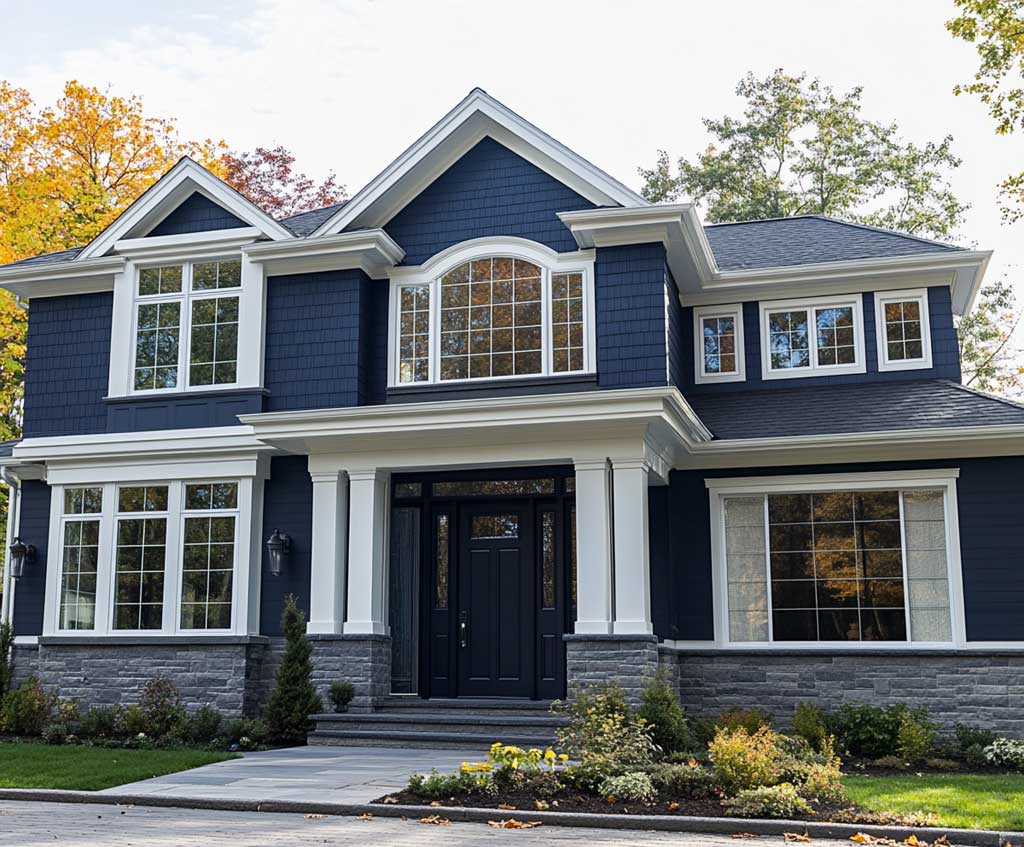
1. Classic Duo: White and Navy-Blue Paint Ideas for Stunning Exteriors
The timeless pairing of white and navy blue continues to reign as a favorite for home exteriors. White offers a crisp, clean foundation that allows navy accents to command attention—whether on siding, doors, shutters, or trims. The contrast creates depth, visual intrigue, and a façade that radiates sophistication.
For a coastal-inspired look, deep navy shades add richness, while lighter tones such as cadet or cerulean introduce softness and charm. Versatile enough to suit both traditional and modern architecture, this classic combination enhances curb appeal while creating a welcoming, stylish exterior that never goes out of fashion.
2. Natural Beauty: Taupe, Brown, and Beige Exterior Wall Paint Ideas
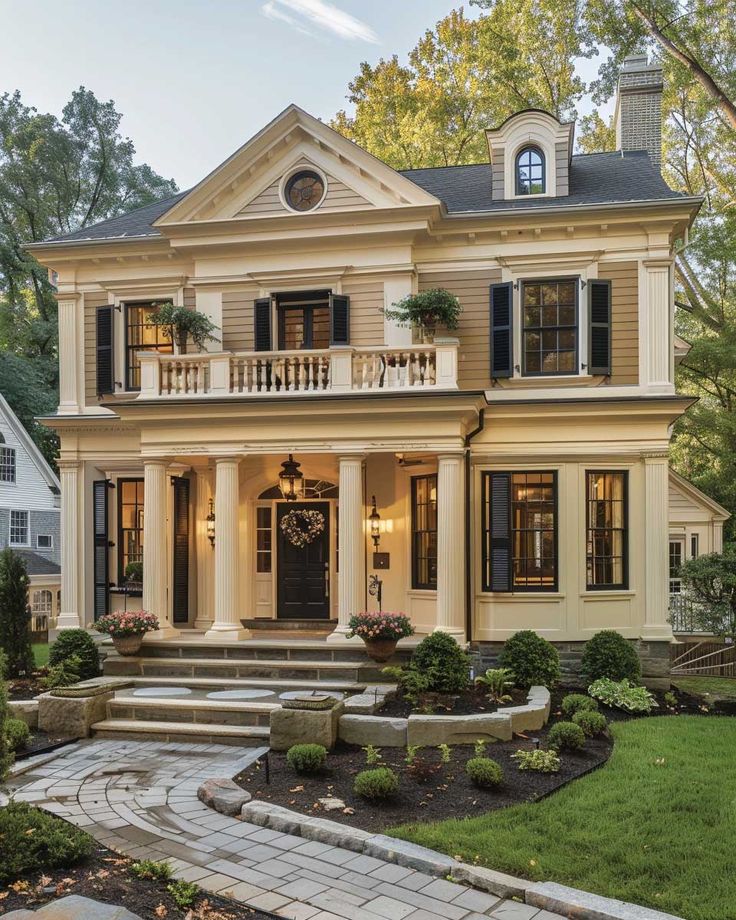
For a home that feels grounded and warm, earthy tones like taupe, brown, and beige are an excellent choice. Taupe, a versatile neutral, pairs beautifully with cream, sandstone, clay, or cocoa to form a harmonious palette for siding, shutters, and trim.
For added richness, opt for cocoa brown with reddish undertones—it provides contrast and coziness when applied to doors, window frames, or base walls. Beige, with its soft and creamy tones, brightens facades effortlessly, especially when contrasted with chocolate-brown accents.
These hues blend seamlessly with natural surroundings, offering endless possibilities for customization. Anchored in nature and eternally stylish, earth tones ensure your home feels both timeless and inviting.
3. Refreshing Coastal Hues: Blue and White Exterior Wall Color Schemes
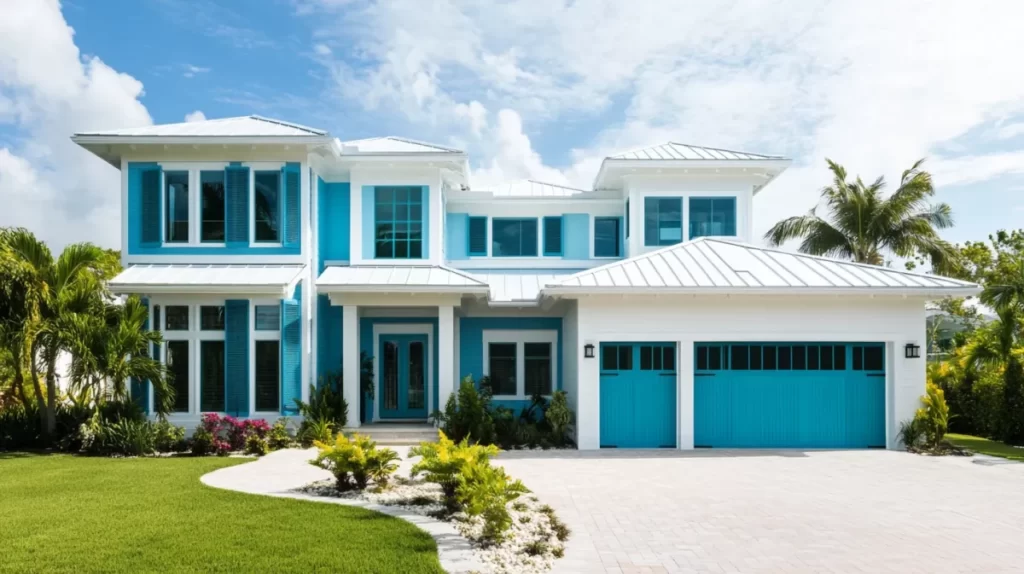
Few combinations evoke coastal charm like blue and white. This duo creates a breezy, tranquil ambiance that’s perfect for lakeside retreats, beachfront homes, or cottages. Picture navy shutters against crisp white siding, or a soft blue-gray exterior paired with white trim—each combination is fresh and uplifting.
Dark navy enhances traditional styles like colonial or craftsman homes, while pale blue-grays complement quaint cottage designs. A bold blue front door adds character and makes a striking focal point.
Not only does white maintain a clean and open look, but it also minimizes the appearance of dirt—ideal for low-maintenance exteriors. Together, blue and white offer coastal chic at its finest.
4. Neutral Appeal: Gray and White Exterior Paint Trends
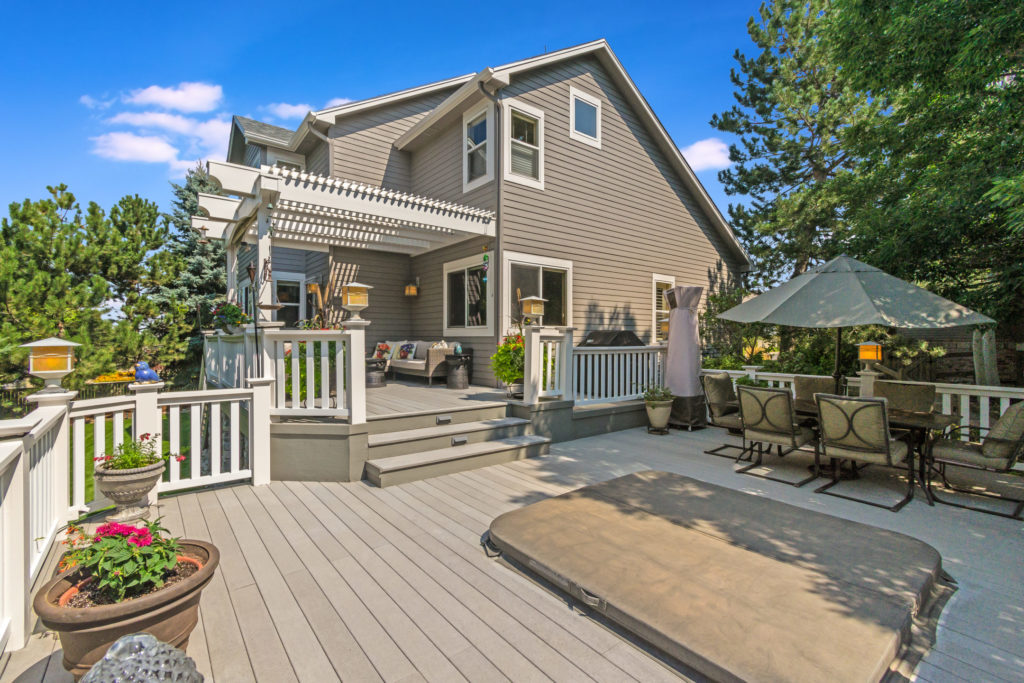
Gray and white exteriors strike a perfect balance between modern elegance and timeless appeal. Subtle yet sophisticated, this palette works effortlessly across a variety of architectural styles.
Light grays such as ash, slate, or charcoal create airy, spacious exteriors, while deeper tones like graphite or granite add bold contrast when paired with crisp white trim or railings. Adding a satin or eggshell finish introduces just the right touch of refinement.
With clean lines and understated sophistication, this neutral combination makes a lasting impression while blending seamlessly with natural surroundings.
5. Modern Sunshine: Gray and Yellow Exterior Wall Paint
For those who love bold yet balanced exteriors, gray and yellow offer a refreshing choice. Cool gray tones act as a refined backdrop, allowing sunny yellows to shine as accents on doors, shutters, window trims, or even siding details.
Choose golden or mustard yellows for warmth and vibrancy, ensuring your home makes an inviting first impression. For the daring homeowner, reversing the scheme with yellow siding and gray accents creates a cheerful, statement-making façade.
This palette blends modern sophistication with lively energy, ensuring your home feels bright, warm, and unforgettable.

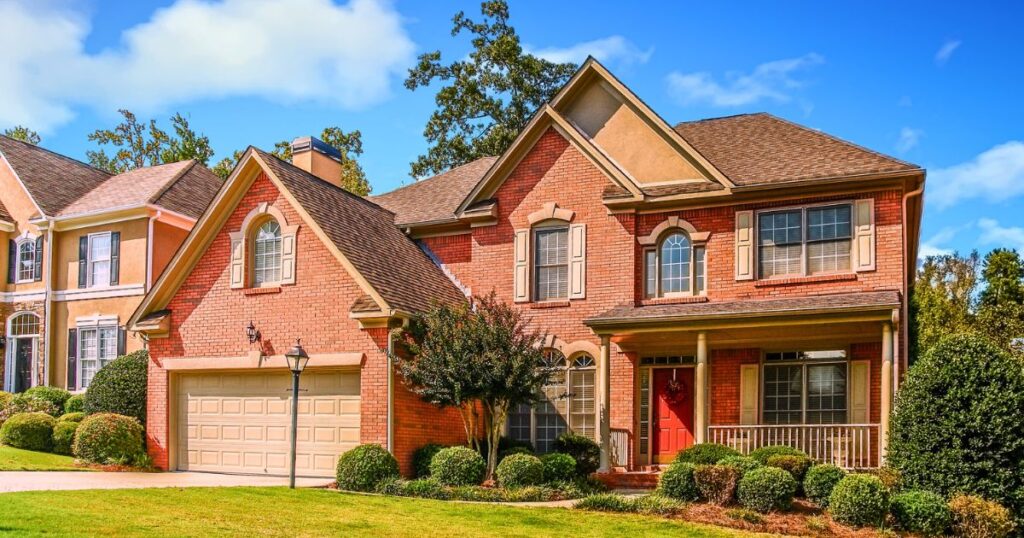
6. Timeless Beauty: Brick Red and Beige Exterior Color
Brick red paired with beige or cream offers a classic and inviting aesthetic reminiscent of traditional brick homes. Rich, earthy red siding provides depth and warmth, while beige trims bring balance and definition, highlighting architectural details beautifully.
Opt for rustic red shades in a matte or satin finish for a natural appeal, complemented by semi-gloss beige or taupe trims. Accent elements—such as shutters, doors, or trellises in beige—further unify the look.
From ranch-style houses to two-story homes, this color scheme is versatile, enduring, and always welcoming.
7. Modern Sophistication: Charcoal Gray and Teal Exterior Wall
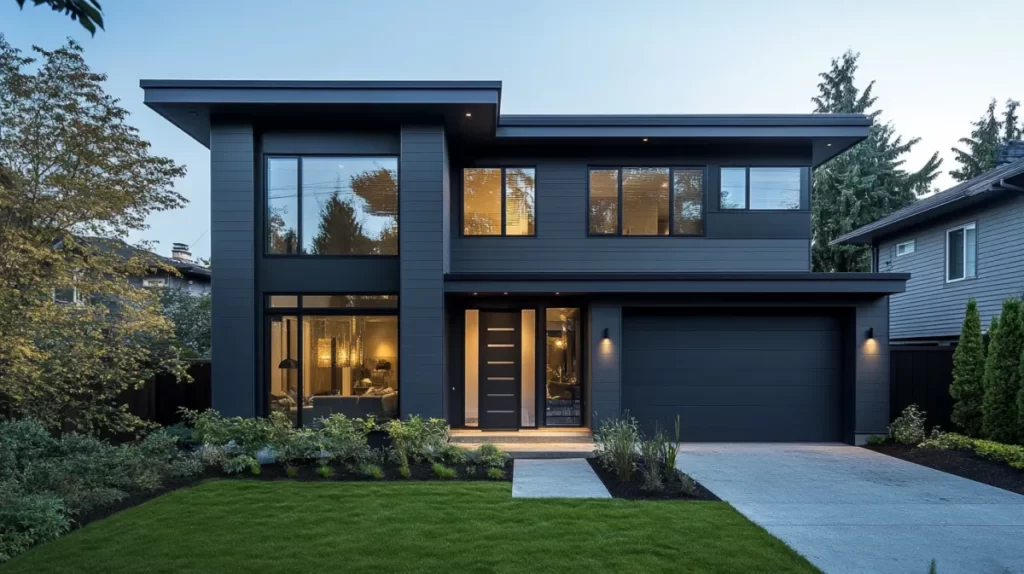
For a bold, contemporary statement, consider pairing charcoal gray with teal. The dramatic base of charcoal creates a strong foundation, while teal accents add vibrancy and freshness.
Whether teal is featured on the front door, shutters, or trims, it injects personality into the design. The combination works equally well with sleek modern homes and cozy craftsman styles. Incorporating natural wood details enhances its coastal charm, while clean lines emphasize its modern edge.
Though daring, this color scheme promises unforgettable curb appeal when styled thoughtfully.
8. Soft and Serene: Muted Pastels for a Whimsical Cottage Exterior
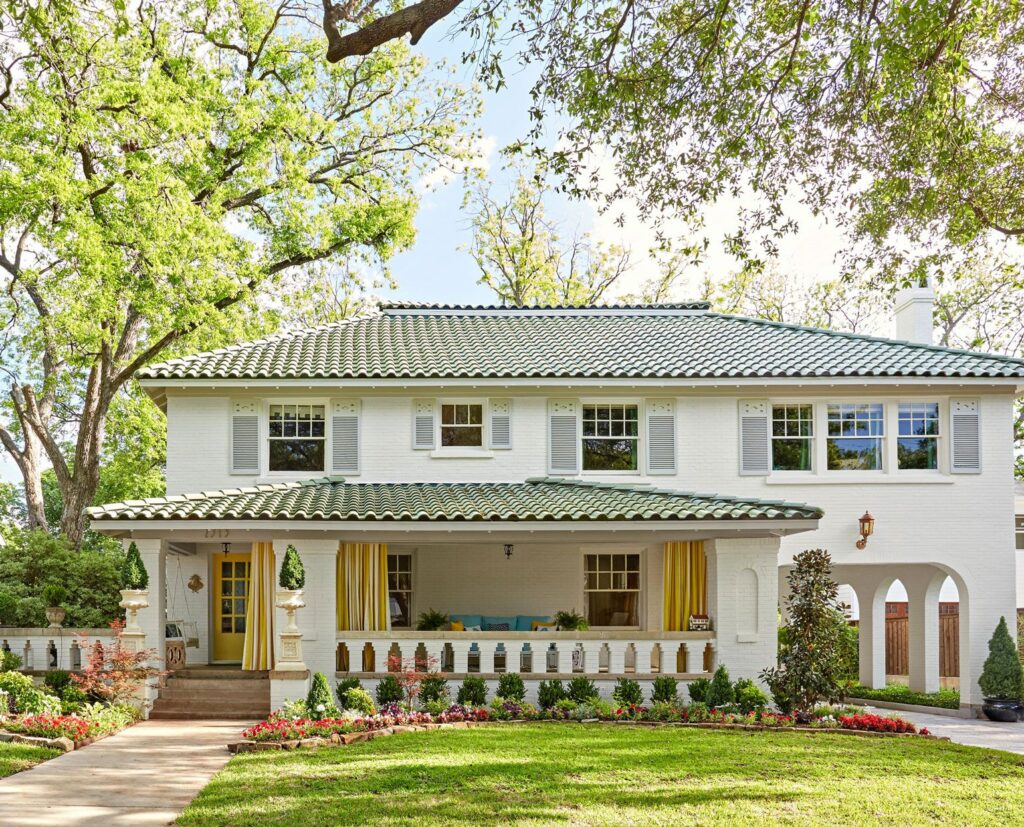
Muted pastels bring a storybook charm to cottage-style homes. Shades like robin’s egg blue, seafoam green, lemon yellow, or blush pink create a dreamy, romantic look that feels welcoming and serene.
For balance, use three complementary pastels: the lightest for trims, the midtone for siding, and the darkest for accents like doors or shutters. Adding neutral contrasts in white or gray prevents the palette from becoming overly sweet.
Perfect for simple architecture, this scheme transforms any cottage into a whimsical retreat full of personality and warmth.
9. Blend with Nature: Olive Green and Stone Gray Exterior
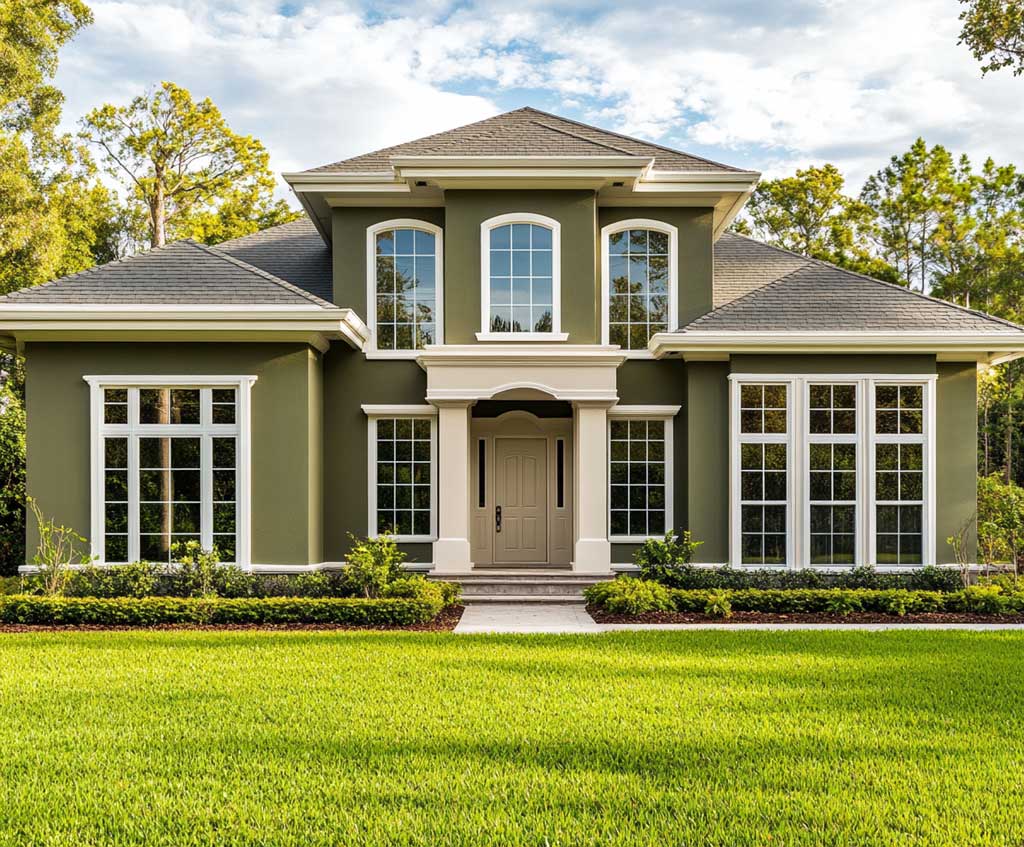
Olive green and stone gray bring a grounded, nature-inspired vibe to any home exterior. Olive recalls lush foliage, while stone gray mimics natural rock, allowing your home to blend harmoniously with wooded or rural settings.
Complement with sage or charcoal trims for subtle depth, and add warm accents like a barn-red front door or terracotta planters to infuse coziness.
This earthy yet modern palette works across both traditional and contemporary homes, offering an understated, organic beauty.
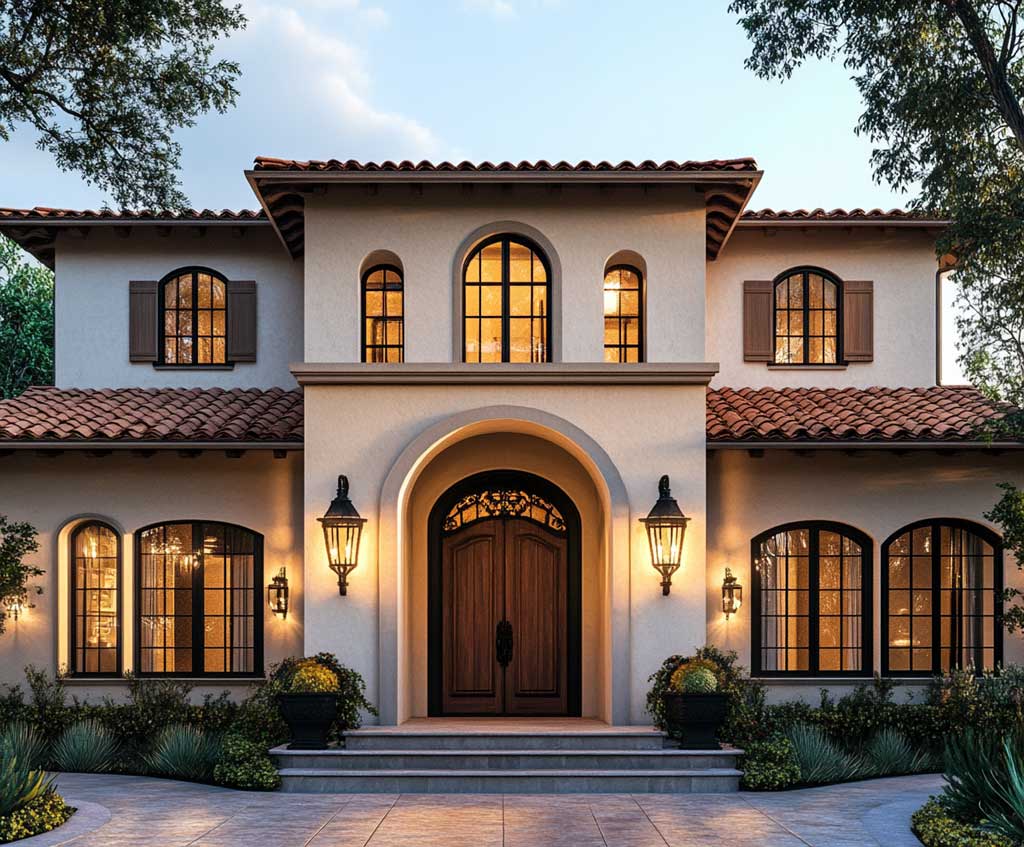
10. Inspired by Nature: Terra Cotta, Sand, and Muted Orange Exterior
Desert-inspired tones like terra cotta, sand, and muted orange create exteriors full of warmth and natural character. Terra cotta’s reddish-orange hue evokes rustic pottery, while sand adds a soft, grounding base.
Muted oranges like adobe or canyon shades enhance the look without overwhelming, especially when balanced with cream or khaki trims. Adding natural textures like stone, wood, and desert landscaping elevates the overall appeal.
A bold terra cotta front door makes a striking centerpiece, creating a welcoming oasis-inspired vibe. With this palette, your home radiates warmth and timeless charm.
Tips For Achieving A Professional Finish
A perfect exterior paint job elevates your home’s appearance while ensuring durability. Focus on precise application, layering techniques, and superior materials for a lasting impact.
Proper Application Techniques
I ensure even coverage by using consistent strokes when applying paint. Vertical or horizontal strokes are ideal for large wall sections, while diagonal strokes suit corners and intricate areas. Starting from the top helps prevent drips, and I regularly check for dribble marks during application. By maintaining a steady pace, paint layers remain smooth and seamless.
Layering And Finishing Coats
Applying multiple thin layers achieves better adhesion and durability than a single heavy coat. I allow each coat to dry completely before adding another, following the paint manufacturer’s specified drying times. For the finishing coat, I use long, light strokes to minimize brush marks and deliver a clean, uniform appearance. Proper curing is critical; I let the paint set for at least 24-48 hours before subjecting it to weather exposure.
Using High-Quality Tools And Paint
Investing in premium tools and paints guarantees superior results. I use synthetic brushes with tapered bristles for smooth edges and high-density rollers for large areas. Paint trays with textured grids ensure controlled paint application. Selecting weather-resistant acrylic latex paint with UV protection enhances durability against sun and rain exposure. High-quality materials reduce streaking and peeling for a professional and durable finish.
Common Issues And Troubleshooting
Exterior wall painting projects can sometimes encounter challenges. Identifying common issues and addressing them effectively ensures a flawless and long-lasting finish.
Paint Peeling Or Bubbling
Paint peeling or bubbling often occurs due to improper surface preparation or moisture issues. Walls must be cleaned thoroughly to remove dirt, grease, and old paint flakes using methods like power washing. Applying a high-quality primer designed for exterior surfaces enhances adhesion and prevents moisture from seeping underneath. Choosing paint with moisture-resistant properties helps resolve this problem in areas prone to high humidity or rainfall.
Uneven Color Application
Uneven color application can result from inconsistent technique or inadequate mixing of paint. Ensuring paint is stirred thoroughly before and during the job prevents separation and improves uniformity. Using high-quality tools, like synthetic brushes or foam rollers, maintains even strokes. I recommend applying multiple thin coats rather than a single heavy layer, allowing each coat to dry completely to achieve consistent results.
Weather Damage And Prevention
Weather damage negatively impacts the longevity of exterior paint in harsh conditions. Using paint with UV protection prevents sun-induced fading and cracking, especially on walls exposed to direct sunlight. For areas frequently affected by rain or humidity, mildew- and water-resistant paint ensures better performance. Scheduling painting projects during calm weather, avoiding extreme temperatures or rainfall, minimizes the risk of initial coat damage.
Maintenance And Longevity Of Exterior Paint
Maintaining your exterior paint enhances its longevity and keeps your home looking vibrant. Simple upkeep practices can help protect your investment and reduce the frequency of repainting.
Regular Cleaning Tips
Routine cleaning removes dirt, grime, and environmental buildup that can degrade exterior paint over time. I recommend washing painted surfaces annually using a garden hose or pressure washer on a low setting. For stubborn stains, using a soft brush with a mild detergent solution helps prevent surface scratches. In humid or rainy regions, inspecting for mildew or algae growth ensures timely removal with a mix of water and white vinegar. Avoid harsh chemicals that might strip or damage the paint.
Touch-Up And Repair Advice
Frequent touch-ups and timely repairs prevent small issues from escalating into significant problems. I suggest examining your exterior walls every six months for peeling, cracks, or faded sections. Applying matching paint to minor chips and scratches preserves a seamless look and protects the underlying surface from exposure. Using exterior-grade caulk to reseal gaps around windows and doors minimizes moisture intrusion, reducing the risk of peeling.
When To Repaint
Repainting depends on factors like paint quality, environmental conditions, and wall material. As a general guide, high-quality acrylic latex paint lasts between 7-10 years in average weather conditions. For homes in harsh climates—such as coastal areas with salt air exposure or regions with intense sun—inspection every 3-5 years helps identify fading or damage. If the paint surface shows widespread cracking, chalking, or color loss, scheduling a repaint ensures continued protection and maintains curb appeal.
Conclusion
Choosing the perfect exterior wall paint is more than just a design choice—it’s an opportunity to showcase your style and boost your home’s appeal. With the right colors, tools, and techniques, you can transform your space into something truly stunning while ensuring durability and protection against the elements.
By investing in quality materials, following proper preparation steps, and maintaining your painted surfaces, you’ll enjoy a flawless finish that lasts for years. Whether you’re drawn to bold shades, timeless neutrals, or creative textures, the possibilities are endless. Let your home reflect your personality and stand out beautifully in any neighborhood.
Frequently Asked Questions
Why is choosing the right exterior wall color important?
The right exterior wall color enhances your home’s curb appeal, highlights architectural features, reflects personal style, and can even increase property value. It creates a powerful first impression that lasts.
What type of paint is best for exterior walls?
High-quality, weather-resistant acrylic latex paint is ideal for exterior walls. Look for paints with UV protection for sun-exposed areas and mildew resistance for humid climates to ensure durability.
What tools do I need for painting exterior walls?
Essential tools include paintbrushes, rollers, trays, painter’s tape, drop cloths, sandpaper, ladders, and safety gear like goggles, gloves, masks, and non-slip footwear for safety and efficiency.
How should I prepare exterior walls before painting?
Thoroughly clean walls using a power washer, repair cracks with exterior-grade fillers, and use a suitable primer, such as a stain-blocking primer, to enhance paint adhesion and achieve a smooth finish.
What are some popular exterior wall paint color ideas?
Popular ideas include bold and bright shades, earthy tones, two-tone combinations, monochromatic whites, warm neutrals, soft pastels, and using textured paint effects for a unique aesthetic.
How can I achieve a professional finish when painting exterior walls?
Apply multiple thin paint layers evenly, let each coat dry completely, and use high-quality tools like synthetic brushes and high-density rollers to minimize streaks and ensure durability.
What are common issues with exterior wall painting?
Common problems include peeling and bubbling caused by poor surface preparation or moisture issues, and uneven color application. Use moisture-resistant paint, mix thoroughly, and invest in quality tools to solve these issues.
How do I maintain exterior paint to keep it vibrant?
Clean painted surfaces annually, check for mildew in humid areas, and inspect for peeling or cracks biannually. Perform touch-ups and plan to repaint every 7-10 years, depending on conditions.