DesignCeilings

Right Ceiling to Transform Your Home: 6 Types of Ceilings to Elevate Your Space

Right Ceiling to Transform Your Home

When it comes to home design, ceilings often get overlooked, but they have the power to completely transform a space. The right ceiling can add character, enhance lighting, and even make a room feel larger or cozier. It’s not just about functionality; it’s about creating a style that reflects your personality and elevates your home’s aesthetic.

I’ve explored six popular ceiling types that can take your interior design to the next level. Whether you’re after a modern, rustic, or timeless look, there’s a ceiling style that’ll fit your vision perfectly. Let’s dive into how the right ceiling can make all the difference in your home.

Why The Right Ceiling Can Transform Your Home

Selecting the appropriate ceiling design alters the visual appeal and functional aspects of a home. It affects natural light distribution, acoustic performance, and spatial perception.

Enhancing light exposure

Properly designed ceilings reflect and diffuse light effectively, brightening spaces. For example, coffered or tray ceilings work well with indirect lighting to create an ambient glow. In contrast, vaulted ceilings maximize sunlight in rooms with large windows.

Improving acoustics

Ceilings with sound-absorbing materials or designs, like acoustic panels or wooden beams, reduce noise levels. This improves audio quality in entertainment areas or ensures quieter environments in bedrooms.

Creating a unique visual style

Ceiling designs such as exposed beams, painted accents, or intricate moldings adapt to various aesthetic themes. Modern interiors benefit from sleek, minimalistic ceilings, while rustic homes look cohesive with reclaimed wooden panels.

Increasing room volume

High or vaulted ceilings give rooms a spacious feel, making them look larger and airier. This effect is especially impactful in compact or densely furnished spaces.

Defining functional zones

Ceilings differentiate areas in open-plan layouts. For example, a dropped ceiling over a dining space visually separates it from adjacent living areas.

Boosting property value

Homebuyers value standout design elements. Architecturally distinct ceilings increase curb appeal and differentiate properties in competitive real estate markets.

These considerations emphasize why selecting the right ceiling transforms not only the look of a home but also its functionality and market desirability.

Materials And Tools

Selecting the right materials and tools ensures a seamless implementation of different ceiling designs. Both elements directly impact the quality and longevity of your ceiling.

Checklist Of Materials

  1. Ceiling Panels – Options include drywall, wood, metal, or acoustic tiles to suit the design and functionality.
  2. Fixing Hardware – Nails, screws, anchors, and brackets to secure the ceiling components.
  3. Insulation Materials – Fiberglass, foam boards, or other insulating products to improve energy efficiency.
  4. Paint And Primer – High-quality acrylic or latex paint paired with primer for durability and style contrast.
  5. Adhesives And Sealants – Construction-grade adhesive and caulk to ensure tight joins and finishes.

Tools You May Need

  1. Measuring Tape – Essential for accurate dimensions and proper alignment.
  2. Cutting Tools – Utility knives, saws, or tin snips for precise modifications of panels.
  3. Power Drill – Used for creating pilot holes and securing screws during installation.
  4. Ladders Or Scaffolding – Provide safe access to higher areas when working on elevated ceilings.
  5. Level And Straight Edge – Necessary for ensuring even and professional results across the surface.
  6. Protective Gear – Gloves, goggles, and dust masks to prevent injuries and exposure to harmful substances.

Understanding The 6 Types Of Ceilings

Selecting the appropriate ceiling type significantly impacts a home’s ambiance and functionality. Below, I explain six popular ceiling designs, each offering distinct advantages and aesthetic appeal.

1. Flat Ceilings

Flat ceilings, the most common and affordable option, provide simplicity and adaptability. These ceilings create a smooth surface, making them ideal for a minimalistic interior or accommodating decorative elements such as light fixtures or fans. I use flat ceilings in spaces where I want a clean, unintrusive appearance.

2. Vaulted Ceilings

Vaulted ceilings slope upwards, forming a peak and creating an airy, expansive feel. These ceilings are perfect for living rooms or foyers where enhancing vertical space matters. I recommend vaulted designs for amplifying natural light when large windows are present.

3. Tray Ceilings

Tray ceilings feature a recessed center that adds depth and elegance. I find these ceilings ideal for dining areas and bedrooms, as they incorporate visual interest without overwhelming the space. Contrasting colors or subtle lighting inside the recessed section can further elevate the room’s design.

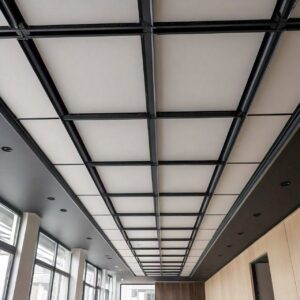
4. Coffered Ceilings

Coffered ceilings have grid-like patterns created by beams, adding a sophisticated texture. These ceilings bring architectural charm to formal living spaces, offices, or libraries. I love how coffered ceilings enhance acoustics while giving a luxurious touch to the interior.

5. Beam Ceilings

Beam ceilings highlight exposed structural elements, offering rustic or industrial aesthetics. These ceilings work well in homes aiming for warmth and character, especially with wood finishes. I prefer beam ceilings in open concept areas where blending structural authenticity with open space creates harmony.

6. Cathedral Ceilings

Cathedral ceilings mirror the roof’s pitch, producing a dramatic and spacious effect. These ceilings are ideal for rooms where grandeur is a priority, such as great rooms or master bedrooms. I value cathedral ceilings for their ability to showcase architectural excellence while enhancing light and air circulation.

Choosing The Right Ceiling For Your Home

Selecting the right ceiling enhances your home’s aesthetics and functionality. I focus on three critical aspects to make this decision effective.

Analyzing Your Home’s Architecture

I start with the foundational design. Modern homes often suit flat or tray ceilings due to their sleek, clean lines, while rustic or traditional homes benefit from beam or coffered ceilings that add character. Homes with open layouts can use vaulted or cathedral ceilings to amplify the sense of space. Identifying architectural style guides the choice for a harmonious design.

Matching Ceilings To Room Functionality

Each room serves a unique purpose, so I align ceiling choice to functionality. In living rooms or dining areas, coffered or tray ceilings add visual interest and elegance, enhancing the space’s formal appeal. Kitchens benefit from beam ceilings for a warm, inviting look, while flat ceilings are practical for bathrooms and laundry rooms where moisture-resistant materials matter. For bedrooms or study areas, cathedral ceilings create an inspiring, tranquil ambiance.

Considering Ceiling Height

Ceiling height influences comfort and perception of space. For rooms with low ceilings, I select flat or tray designs to open the space visually. High ceilings accommodate vaulted or cathedral styles to intensify grandeur. If maintaining proportionality, coffered ceilings work well in rooms with medium to tall heights, creating structured depth without overwhelming. Using paint or lighter tones can further enhance perceived height when needed.

Installation Process Overview

The installation process ensures each ceiling type achieves its intended visual and functional benefits. Follow these three streamlined steps for efficient execution.

Prepping The Room

Preparing the room establishes a clean and safe workspace before construction begins. I clear all furniture and decor from the area to prevent damage and create fluid movement during installation. I verify the electrical wiring is secure and shut off power in spaces where outlets or fixtures are affected. Covering floors and walls with drop cloths or plastic sheeting minimizes dust and paint spills.

Building The Framework

Constructing a sturdy framework supports the ceiling panels effectively. I measure and mark the positions for ceiling joists or tracks based on the ceiling type being installed. For wooden beams or coffered ceilings, I use a level to ensure precise alignment before attaching support structures to the existing ceiling or walls. Reinforcing connections with screws or specialized fasteners increases durability.

Installing The Ceiling Panels

Installing the ceiling panels completes the new design by attaching materials securely to the framework. I cut panels to fit the room dimensions, ensuring accurate adjustments around light fixtures and vents. Using adhesive, nails, or screws as required, I apply panels to the framework while checking for gaps or uneven edges. Finishing touches, such as priming, painting, or sealing, enhance the appearance and longevity of the ceiling.

Common Issues And Troubleshooting

Various challenges arise when selecting or installing ceilings, but addressing them effectively ensures a successful transformation.

Uneven Ceiling Surface

Identifying uneven surfaces is crucial before installation or renovation. I use a laser level or measuring tools to detect irregularities. Minor discrepancies are handled with joint compound or plaster to create a smooth surface. For more significant issues, I secure new drywall sheets across the ceiling frame. Proper sanding and priming guarantee a uniform finish before painting.

Dealing With Limited Ceiling Height

Low ceiling height limits design options but can still be optimized. I avoid elaborate styles like coffered or beam ceilings, choosing simple designs like flat or tray ceilings for added openness. Light-colored paint improves vertical perception, while recessed lighting reduces clutter. I ensure functional decor, avoiding overly tall fixtures or decorations that draw attention downward.

Structural Challenges And Solutions

Structural barriers like HVAC systems, load-bearing beams, or electrical wiring complicate installation. I consult professionals to determine safe modifications, rerouting utilities if necessary. For weight concerns with heavy beams or tiles, I reinforce the ceiling frame using additional joists or brackets. Ensuring all modifications align with building codes prevents long-term safety risks.

Tips For Enhancing Your Ceiling Design

Elevating a ceiling design involves thoughtful consideration of elements that enhance its aesthetic and functionality. Strategic choices in lighting, textures, and decor can make a significant impact.

Lighting Options To Boost Aesthetic

Selecting the right lighting enhances the visual appeal of a ceiling. Recessed lights, for instance, provide a clean and modern look, while pendant lights add a focal point to specific areas. For dramatic effects, I recommend placing uplighting along coffered or tray ceilings to highlight their architecture. Dimmers also enable you to adjust light intensity, creating versatile environments suited to different moods or activities.

Using Textures And Colors

Incorporating textures and colors brings depth and style to ceilings. Textured finishes like beadboard or faux tin tiles add intricate details, enhancing flat or low-profile ceilings. Vibrant colors can uplift otherwise neutral designs, while softer tones provide a calming effect. I ensure to consider the room’s color palette to achieve a cohesive appearance. For a bold statement, contrasting ceiling colors with wall colors works effectively.

Adding Decorative Fixtures

Decorative fixtures emphasize the ceiling design while adding character. Statement chandeliers work well in areas like dining rooms or foyers, instantly catching attention. Ceiling medallions create a classical touch, complementing traditional designs. For modern spaces, I opt for sleek and minimal fixtures that blend seamlessly with the overall theme. These elements not only serve functional purposes but also elevate the room’s visual appeal.

Maintenance And Care For Different Ceiling Types

Proper maintenance helps extend the life and appearance of ceilings while minimizing repair costs. Different ceiling types require tailored care routines to maintain their condition.

Flat Ceilings

Dust and clean flat ceilings regularly to prevent dirt accumulation. Use a microfiber cloth or vacuum with a soft-bristle attachment for dusting. Address stains or discoloration with a damp cloth and mild detergent, ensuring it does not overly saturate the surface.

Vaulted Ceilings

Clean vaulted ceilings using extendable tools such as a duster or vacuum attachments suitable for high surfaces. Inspect for cobwebs that tend to collect in corners. Fix minor cracks or patches with spackle and touch up with matching paint.

Tray Ceilings

Wipe tray ceilings with a damp sponge to clean dust and debris from recessed edges. Run a vacuum lightly along trims or moldings to remove fine particles. Reapply paint or protective finishes on trims when fading is detectable.

Coffered Ceilings

Dust coffers thoroughly with a duster designed for grooves and corners. Use a fine brush or vacuum with a brush attachment for intricate areas. Check for peeling paint or cracks on beams, and touch up with proper materials to ensure integrity.

Beam Ceilings

Dust beam ceilings frequently to prevent buildup on wood surfaces. Utilize wood-safe cleaning products to treat stains or spots. Inspect beams for signs of pests like termites and apply sealant to prevent moisture damage.

Cathedral Ceilings

Clean cathedral ceilings using telescopic cleaning tools. Inspect for water stains or damage on the high surface. Repair leaks and repaint stained areas with appropriate waterproof materials to maintain aesthetics and functionality.

Regular inspections are essential to detect signs of wear, water damage, or pest activity across all ceiling types. Ensure proper ventilation in spaces to prevent moisture-related issues.

Conclusion

Choosing the right ceiling can completely redefine your home’s atmosphere, blending style and functionality into a cohesive design. From enhancing natural light to improving acoustics and creating visual interest, ceilings offer endless possibilities to elevate your space.

By carefully considering your home’s architecture, room purpose, and ceiling height, you can select a design that complements your lifestyle while adding value to your property. With the right materials, tools, and maintenance routine, your ceiling can remain a stunning focal point for years to come.

Investing in the perfect ceiling isn’t just about aesthetics—it’s about transforming your home into a space that feels uniquely yours.

Frequently Asked Questions

Why are ceilings important in home design?

Ceilings play a critical role in defining a room’s character, influencing lighting, acoustics, and the overall aesthetic. The right ceiling design can improve space perception, highlight architectural features, and increase the value of your home.

What are the most popular ceiling types?

The six popular ceiling types are flat, vaulted, tray, coffered, beam, and cathedral. Each provides unique aesthetic and functional benefits, catering to different architectural styles and personal preferences.

How can I choose the right ceiling for my home?

To select the ideal ceiling, consider your home’s architecture, the functionality of the room, and ceiling height. Modern homes often suit flat or tray ceilings, while rustic homes benefit from beam or coffered designs.

Can ceiling design affect lighting in a room?

Yes, ceilings can enhance lighting by reflecting and diffusing light effectively. Choosing lighter colors or incorporating recessed lighting can maximize brightness and create a warm, inviting ambiance.

What materials are commonly needed for ceiling installation?

Essential materials include ceiling panels, insulation, fixing hardware, paint, and adhesives. Tools like measuring tape, ladders, power drills, and protective gear are also required.

Are high ceilings better than low ceilings?

High ceilings, such as vaulted or cathedral types, create an airy, spacious feel, while low ceilings work well with flat or tray designs to provide comfort and intimacy. Your choice depends on your preferences and the room’s purpose.

How do ceiling designs impact home acoustics?

Thoughtful ceiling designs, particularly those with sound-absorbing materials, can improve home acoustics by reducing echoes and noise, providing a more comfortable environment for conversations and entertainment.

Can ceiling types influence property value?

Yes, architecturally unique ceilings like coffered or cathedral designs can boost property value by adding sophistication and character, making the home more appealing to potential buyers.

About author

Articles

I grew up fascinated by the way houses were built, often spending more time on construction sites than playgrounds. That early curiosity turned into a lifelong interest in how people shape the spaces they live in. Away from writing, you’ll usually find me cycling along country roads or sketching out plans for a renovation project I’ll probably never start.
Related posts
DesignBedrooms

Bed Skirts For Adjustable Bed

Adjustable beds are great for reading, streaming, and easing sore joints. The tradeoff is that…
Read more
Design

6 Best Mushroom Paint Colors

If crisp white feels too stark and greige sometimes looks flat, mushroom paint colors are probably…
Read more
DesignBedrooms

Do You Need A Mattress Protector?

Most people spend plenty of time choosing a mattress, then toss on a fitted sheet and call it a day.
Read more