
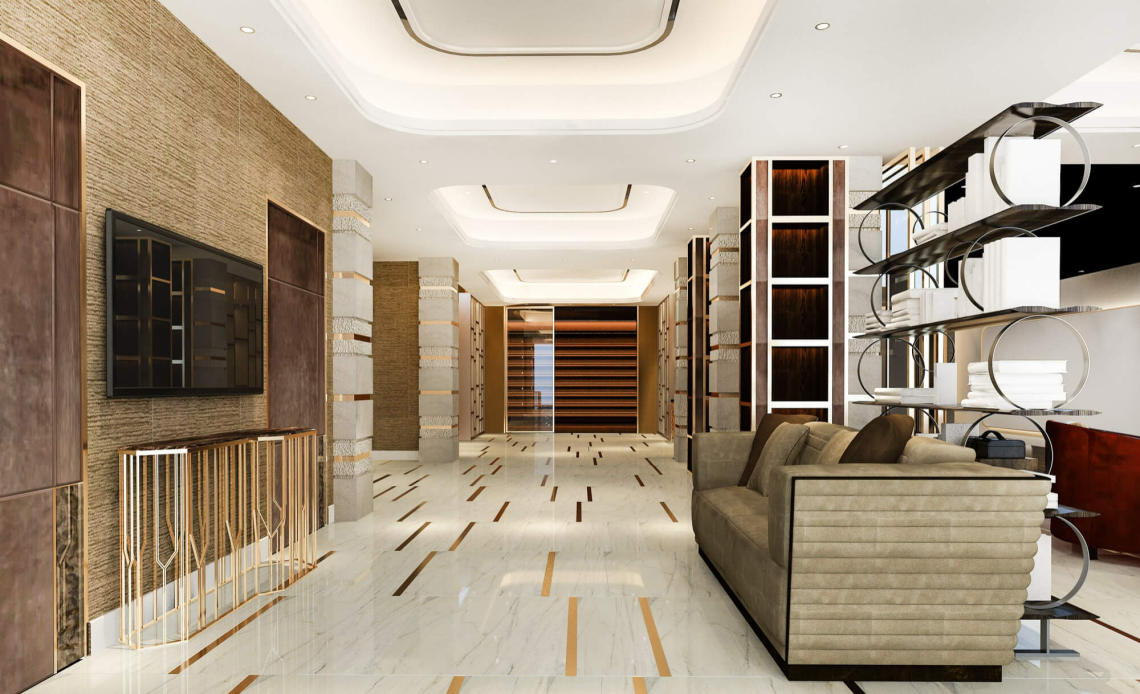
Why a false ceiling still matters in 2025
A living room is where design choices earn their keep. You want lighting that sets the mood, a room that feels taller and calmer, and practical ways to hide wiring and ducting. A well planned false ceiling does all three. In 2025 the best ceilings are thinner, smarter, and more sustainable. They pair integrated lighting with acoustic control, create clean channels for HVAC, and frame your seating so the room feels composed rather than busy. Most importantly, the right ceiling draws the eye upward which makes compact living rooms feel generous without any structural changes.
Understanding the main materials
There are four workhorse materials that continue to dominate living rooms because they balance cost, finish quality, and installation time. The first is gypsum board, which is light, smooth, and versatile enough for simple trays or layered drops. The second is mineral fiber or acoustic panels that help tame echo in open plan spaces with hard floors. The third is wood and wood look laminates which add warmth and a sense of craft, especially when paired with warm white lighting. The fourth is PVC and other moisture tolerant synthetics that suit coastal cities or rooms that open to balconies. Each material behaves differently in terms of thickness, span, and how it takes paint or veneer. Gypsum takes paint beautifully and hides joints well. Acoustic tiles absorb sound but need coordinated lighting cutouts. Wood needs careful sealing and a plan for seasonal movement. PVC is easy to maintain and light enough for quick installations.
Profiles that make a small room feel bigger
Profile choice can change the perceived geometry of a room. A shallow perimeter tray with a recessed center makes walls look taller and keeps the middle free for a fan or a compact chandelier. A slim floating band a few inches off the wall creates a shadow gap that reads as modern and uncluttered. Coffers add rhythm, but in small rooms a single large coffer often looks better than a grid. Linear baffles can run the short width of a long room to visually correct the proportions. If you have a low ceiling, choose profiles that drop as little as possible. Even a one and a half inch recess can hide LED tape and deliver a floating effect without stealing headroom.
Lighting, the secret to a ceiling that works day and night
Lighting makes or breaks a false ceiling. Uniform downlights can flatten a space, while layered lighting brings it to life. Use indirect LED tape to wash the ceiling and soften the room. Add a few focused downlights to highlight art or a bookshelf. Include a dimmable central point for a pendant or fan if your climate and routine require one. Color temperature matters. Warm white between 2700K and 3000K is relaxing for evenings and flattering to skin tones. Neutral white around 3500K can feel crisp for daytime tasks. Dimming is the bridge between the two, so budget for a compatible driver and a good quality dimmer. In open living dining spaces, put the perimeter cove on one circuit, the spots on another, and the pendant on a third so you can compose scenes. Smart switches can add schedules and voice control without changing your preferred fixtures.
Acoustic comfort in open plan homes
Open plans are appealing but they can ring with sound. If your living room shares space with a dining table and a kitchen, acoustic control becomes part of the ceiling brief. Mineral fiber planks or micro perforated gypsum panels absorb reflections from hard surfaces like stone floors and glass windows. Even a partial treatment above the seating zone can drop the perceived noise level. Pair ceiling absorption with a rug and upholstered seating to finish the job. The goal is not silence. It is to keep conversation intelligible at a normal volume so the room feels calm.
Wood tones for warmth and character
Wood accents on the ceiling can transform a generic living room into a warm retreat. In humid climates choose engineered options or laminates that resist warping. A narrow slat detail along one edge can be enough to add richness without overpowering the room. If you prefer a bolder look, a large rectangular timber frame with a pale painted center balances contrast and keeps things bright. Coordinate ceiling wood with your TV unit or coffee table so the palette feels intentional. When you mix woods, keep undertones similar. Pair warm oak with warm walnut, or cool ash with greyed laminates, so the ceiling does not fight the furniture.
Integrating HVAC, sprinklers, and wiring
A clean ceiling hides services as if they were never there. Plan routes for AC ducts, copper pipes, sprinkler heads, and speaker or network wiring before finalizing the profile. Keep access panels where you may need to service joints or drivers. If you are adding a cassette AC, align the diffuser with the ceiling geometry so it sits within a tray or a coffer rather than floating awkwardly. Pay attention to clearances around fans and pendants. LED drivers and smart switch modules generate heat and need space for airflow. A little coordination between the carpenter, electrician, and HVAC installer can save you multiple site visits and messy cutouts later.
Color strategies that flatter the room
Most ceilings are white for a reason. White reflects light and keeps rooms bright. That said, a hint of color can be magical. A warm off white softens glare in sunny rooms. A pale grey can calm a space with many textures. If your walls are saturated, keep the ceiling quiet so the room can breathe. In very tall living rooms, a slightly deeper ceiling color can lower the visual height and make the space feel more intimate in the evenings. When you add wood, consider painting the surrounding gypsum a warmer white so the undertones match.
Budgeting and what affects cost
Costs vary by city, thickness, and complexity, but in most Indian metros and many global cities you can think in terms of cost per square foot for a baseline gypsum tray with simple cove lighting, then layer add ons. Design complexity increases labor time. Extra drops and curves add joints and finishing. Acoustic panels add material cost but can reduce the need for other treatments like heavy curtains. Wood veneer or laminate finishes cost more than paint. Lighting can rival the carpentry budget if you choose premium dimmable drivers and smart controls. Plan a buffer for access panels and last minute site coordination because hidden wires and beams sometimes surprise even the best drawings.
Safety, ventilation, and maintenance
Ceilings have to do their job safely. Choose fire rated boards where codes require them. Keep LED drivers accessible and use quality connectors to avoid loose joints. Ask your installer to label junction boxes so future maintenance is not a treasure hunt. Ventilation matters. If your room gets humid air from a balcony, choose moisture tolerant boards or seal edges carefully. Dust tends to collect in coves. Design channels wide enough to clean with a soft brush. If you have a ceiling fan, balance blades after installation so the fan does not vibrate against the false ceiling. Small precautions extend the life of the installation and keep it looking fresh.
Ceiling ideas that pair well with your style
If your living room leans modern, a slim floating band with hidden light reads crisp and elegant. For contemporary classic, try a single large coffer with a tasteful pendant at the center and soft cove lighting at the edges. For Japandi and other calm minimal styles, a simple plane in warm white with a narrow wooden edge and very even indirect lighting creates the quiet you want. For industrial inspired spaces, expose the concrete soffit above and use a shallow dropped track to hold spots and a linear wash, then paint everything in a unified tone so the room looks designed rather than unfinished.
How to brief your designer or contractor
A clear brief saves time and money. Start with what you want to feel in the room. Do you want cozy evenings for movies, bright light for reading, or a flexible mix for guests. Share room measurements, window orientation, and existing services. Identify the focal wall so lighting can support it, and decide whether a pendant or a fan will sit at the center. Set a maximum drop you are comfortable with, especially if your home has standard eight to nine foot slabs. Discuss dimming and smart control early because they affect drivers and wiring. Ask for a simple reflected ceiling plan that shows circuits, fixture types, and access panels.
A simple step by step plan
Begin with proportions. Mark the seating area on the floor and copy that geometry above so the ceiling frames the zone where you spend the most time. Choose a base profile that suits your ceiling height. Add the lighting layers that support your lifestyle. Route services and confirm access. Select materials based on climate and desired finish. Lock colors after you test them under your actual room lighting. Agree on a cleaning method for coves and a maintenance plan for drivers and fans. When the sketch looks clean and the numbers make sense, proceed to fabrication with a mockup of the cove to confirm light quality.
The quiet power of a good ceiling
A living room ceiling should disappear when you want it to, and glow softly when the sun goes down. When it is planned well, you notice the atmosphere rather than the carpentry. Your sofa looks more inviting, your art reads clearly, and conversations feel easy. That is the real return on a false ceiling in 2025. It is not only an aesthetic upgrade. It is a practical framework that hides the mess, shapes the light, and gives your home the calm confidence that defines good design.