
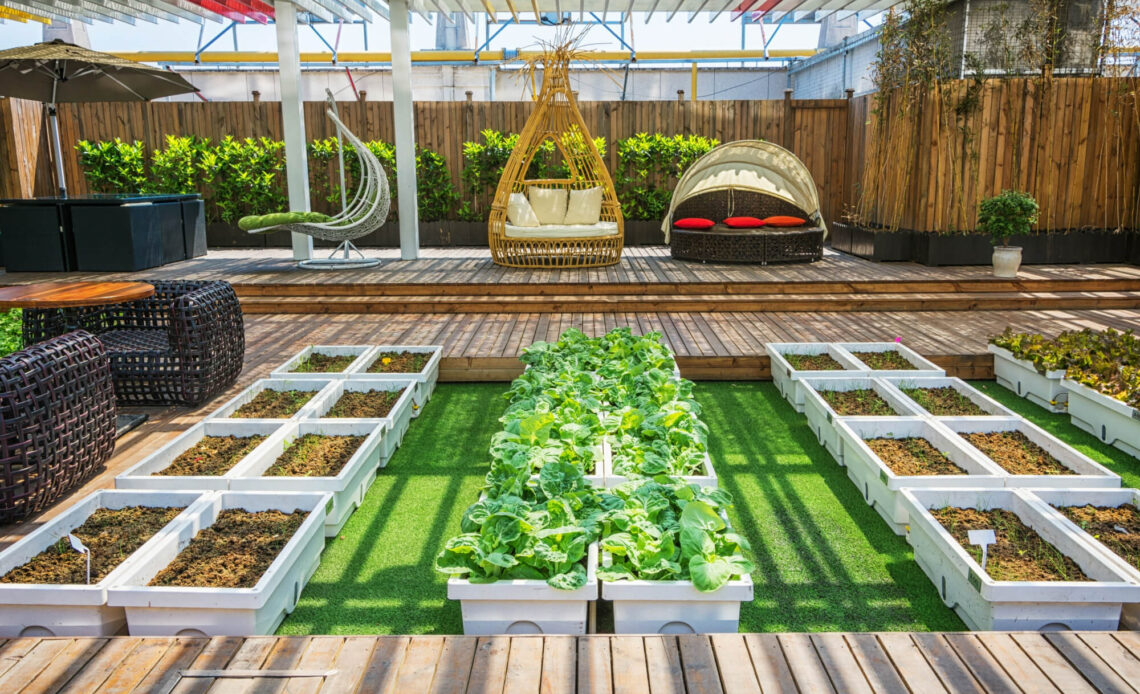
Transforming a small backyard into a lush, inviting garden might seem challenging, but it’s absolutely doable with a little creativity and smart planning. I’ve always believed that even the tiniest outdoor spaces hold endless potential to become vibrant retreats filled with life and color.
Whether you’re dreaming of a cozy spot to relax, a mini vegetable patch, or a haven for pollinators, the right ideas can make all the difference. The key is to maximize every inch of space while keeping it functional and beautiful. Let’s explore some brilliant ways to turn your small backyard into a stunning garden you’ll love.
Planning Your Small Backyard Garden
Thoughtful planning transforms limited outdoor spaces into functional and beautiful gardens. I focus on understanding the space, setting clear themes, and drafting flexible layouts.
Assess Your Space and Sunlight Conditions
I start by measuring the dimensions of my backyard to determine the exact area available. Observing sunlight patterns throughout the day helps identify sunny, shaded, or partial-shade zones. For example, a south-facing yard with 6-8 hours of sunlight suits vegetables like tomatoes, while shaded corners work well for ferns or hostas. Knowing foot traffic areas ensures smooth functionality.
Decide on a Theme or Style
I select a clear theme to bring my backyard design together cohesively. For a modern look, I use clean lines, concrete planters, and monochromatic plants like green succulents. A cottage-style garden features colorful flowers, climbing roses, and rustic wooden trellises. For an edible garden, I combine aesthetics with practicality by integrating herbs, fruits, and companion plantings like marigolds for pest control.
Create a Rough Layout
I sketch a layout that optimizes space while maintaining balance. Placing taller plants like sunflowers or trellised vegetables at the back maximizes light access for smaller plants in the front. I allocate paths at least 2 feet wide for easy movement and reserve a corner for seating or decorative elements like a water feature. Containers, hanging baskets, and vertical planters fill unused vertical space efficiently.
Brilliant Ideas for Small Backyard Gardens
Small backyards benefit greatly from innovative strategies that maximize limited space. Thoughtfully organized elements can transform compact outdoor areas into multifunctional and visually stunning gardens.
Vertical Gardening Techniques
Vertical gardening offers an effective way to maximize small spaces by utilizing walls, fences, or trellises for planting. Hanging pots from wall-mounted racks or suspending planters with sturdy hooks can create visual layers of greenery. Incorporating vertical planters made from pallets or modular systems provides spaces for herbs, flowers, or succulents. When sunlight is limited due to neighboring structures, attaching lightweight pots to fences or trellises ensures plants grow where light exposure is optimal.
Maximizing Space with Raised Garden Beds
Raised garden beds create organized planting areas while improving soil conditions. This method allows for better space utilization and a cleaner layout in small backyards.
Choosing the Right Materials
I select durable and weather-resistant materials to construct raised garden beds. Cedar and redwood wood are naturally resistant to rot and insects, making them excellent choices for longevity. Metal options, such as galvanized steel, offer sleek aesthetics and durability, though they may heat up faster under direct sunlight. For a budget-friendly option, I repurpose untreated pallets or bricks, ensuring they are safe for planting and do not leach harmful chemicals into the soil.
Layering Soil and Compost for Optimal Growth
I layer quality soil mixed with organic compost to provide essential nutrients for plants. Drainage improves by starting with coarse materials like gravel or small stones at the base. Over this, I spread nutrient-rich soil combined with compost, maintaining a balanced pH for healthy root development. Incorporating worm castings or aged manure enhances fertility further. This structured layering creates a productive environment, enabling both vegetables and flowers to thrive within compact spaces.
Multi-Functional Features
In small backyard gardens, incorporating multi-functional elements amplifies functionality and visual appeal. These features maximize space while serving dual purposes, creating an efficient and cohesive design.
Combining Seating with Planters
Integrating seating and planters creates a practical and attractive solution for compact gardens. I recommend building bench seating with built-in planter boxes on either side, using sturdy materials like treated wood or metal designs. This combination enhances usability while adding greenery to seating areas. For smaller spaces, corner seating with raised planters occupying the edges increases comfort without overwhelming the layout. Select low-maintenance plants such as succulents or herbs for the planter boxes, ensuring they thrive with minimal effort.
Installing Convertible Furniture
Using convertible furniture makes a small backyard adaptable for various activities. I suggest choosing foldable table-and-chair sets that double as storage units for garden tools or cushions. Drop-leaf tables that compact into smaller surfaces fit well in tight spaces while expanding when needed. If relaxation is a priority, consider sofa beds or modular outdoor seating that transitions into loungers or dining arrangements. Focus on weather-resistant and lightweight materials like aluminum or treated wood for durability and ease of repositioning.
Container Gardening Ideas
Container gardening transforms small backyard spaces by introducing flexibility and compact planting options. This method suits various plants while adding aesthetic value with minimal effort.
Choosing the Right Containers
Selecting containers plays a significant role in successful container gardening. Opt for materials that suit your backyard’s climate and conditions. Ceramic or terracotta pots retain moisture well in hot climates, while lightweight plastic options work better in colder regions due to their insulation properties. Ensure each container has drainage holes to prevent waterlogging, which can harm plants. Use small to medium-sized containers for individual plants like herbs or succulents and larger ones for shrub-like vegetables or flowers.
Match container dimensions to the plant’s growth requirements to encourage robust root systems. For example, deep containers work well for carrots or tomatoes, while shallow containers are ideal for leafy greens like lettuce or spinach. If portability is a consideration, choose options like containers with wheels or built-in handles.
Grouping Plants for Visual Appeal
Arranging plants strategically enhances the garden’s overall charm. Group plants with similar water, sunlight, and soil needs to simplify maintenance. For instance, position sun-loving herbs like rosemary with lavender or drought-tolerant succulents together in prominent areas.
Create visual balance by mixing container sizes and plant heights. Place taller plants, such as ornamental grasses or dwarf fruit trees, in the back or center of the grouping to act as focal points. Surround them with medium-height plants like zinnias or peppers, and add trailing plants like ivy or sweet potato vines around the edges. Use color-coordinated pots or mix textured containers to complement or contrast the plant selection and unify the garden’s theme.
Adding a Focal Point
A well-placed focal point enhances a small backyard garden’s charm and creates visual interest. Strategic additions draw attention while reinforcing the overall garden theme.
Water Features and Mini Ponds
Incorporating water elements in a compact garden transforms the space with sound and movement. For a serene addition, I recommend using a small tabletop fountain or creating a mini pond in a half-barrel or large ceramic basin. Floating plants, like water lilies or duckweed, and small aquatic ornaments can complete the setup. Placement matters, so I ensure these features do not obstruct pathways or overcrowd the layout.
For tighter spaces, wall-mounted fountains work efficiently without consuming floor area. Solar-powered pumps help conserve energy while maintaining the soothing sound of water, aligning with eco-friendly goals.
DIY Garden Art and Sculptures
Handcrafted garden art adds personality and reinforces a cohesive design. I suggest crafting art using materials like driftwood, reclaimed metal, or painted stones to suit individual aesthetics. For example, painted pebbles can form a colorful path or edges around flower beds. Handmade wind chimes or hanging ornaments elevate vertical areas of the garden.
Creating sculptures from upcycled items, like mosaic-covered pots or repurposed wire frames, balances creativity and sustainability. I ensure these elements are placed strategically near seating areas or entry points for maximum visibility without causing clutter.
Plant Selection for Small Gardens
Selecting the right plants transforms small backyard gardens into thriving, efficient spaces. Choosing wisely ensures a balance of beauty, functionality, and manageability.
Opting for Compact or Dwarf Varieties
Compact or dwarf plants provide lush greenery without overwhelming limited spaces. I recommend dwarf fruit trees such as Meyer lemon or dwarf apple trees for both aesthetics and productivity. Compact shrubs like boxwood or dwarf hydrangeas deliver structure and color to garden edges. For flowers, dwarf zinnias or compact marigolds brighten small plots without requiring extensive room to grow.
Growing Herbs and Edibles
Edibles and herbs add practical value and appeal to small backyard gardens. I suggest growing herbs like basil, thyme, and mint in container groupings or hanging planters to save ground space. Leafy greens like lettuce and spinach thrive in shallow containers or vertical wall pockets. If space allows, cherry tomatoes or compact pepper plants yield fresh produce and fit well into raised beds or balcony corners.
Incorporating Low-Maintenance Plants
Low-maintenance plants reduce gardening effort while enhancing the garden’s charm. I prioritize hardy perennials—lavender, sedum, or daylilies—because they require minimal watering and thrive in various conditions. Succulents like echeveria or low-growing ground covers such as creeping thyme simplify upkeep and create appealing greenery in tight spots. These choices ensure a vibrant garden with less attention required.
Enhancing Ambiance in Your Garden
Transforming a small backyard into a serene and inviting space involves thoughtful ambiance enhancements. Strategic choices in lighting, plants, and textures can create a harmonious retreat.
Using Lighting for a Cozy Atmosphere
Outdoor lighting enhances the warmth and charm of any backyard garden. I suggest installing solar-powered string lights along fences or pergolas to provide energy-efficient illumination. Place lantern-style lights near seating areas for soft, diffused brightness. Spotlights aimed at plants or garden features highlight key areas and create depth, particularly at night. Motion-activated lights can add functional lighting around pathways without interfering with the cozy ambiance.
Incorporating Scented Plants
Scented plants enrich the sensory experience of your garden. I recommend adding jasmine for its sweet, floral aroma that intensifies in the evening. Plant lavender in containers or borders for a calming fragrance and low maintenance. Citrus trees like lemon or orange offer both a pleasant scent and edible fruit. For shaded areas, fragrant hostas or mint varieties perform well while adding freshness to the air.
Adding Textures with Mulch, Rocks, and Wood
Combining natural materials introduces visual depth and tactile appeal to your garden. Use bark mulch around flower beds and shrubs to retain moisture and create a soft, earthy look. River rocks or gravel paths offer a clean, minimalist texture ideal for small spaces. Wooden elements like reclaimed planks or tree stump stools add rustic charm, blending well with greenery. Layering these textures ensures balance while defining distinct areas within the yard.
Helpful Tips and Tricks
Practical strategies simplify garden upkeep and boost long-term success. These tips focus on maintaining vibrancy, conserving resources, and managing challenges.
Seasonal Maintenance
Seasonal adjustments keep a small backyard garden flourishing throughout the year. I inspect plants regularly to prune dead or diseased growth, ensuring healthier regrowth. Mulching protects soil from extreme temperatures in both summer and winter. Rotating edibles like tomatoes or spinach between growing seasons prevents soil nutrient depletion. For perennial plants like lavender or thyme, trimming after their bloom cycle encourages compact and robust growth.
Efficient Watering Techniques
Efficient watering ensures optimal hydration while conserving water. Morning watering reduces evaporation and allows plants ample time to absorb moisture before midday heat. Drip irrigation systems target root zones directly, minimizing waste. I use a rain barrel to collect rainwater, providing a sustainable and free resource for plants. To check soil moisture, I test it manually by inserting my finger two inches into the soil—watering only when it feels dry at that depth.
Dealing with Common Garden Pests
Effective pest control protects plants without stressing ecosystems. Handpicking pests like caterpillars works well when infestations are low. I encourage natural predators, like ladybugs and birds, by planting nectar-rich flowers such as marigolds or daisies. Homemade remedies, such as mixing water with mild soap, deter aphids without harming beneficial insects. For slugs or snails, beer traps and copper barriers provide natural deterrence. Regularly checking leaves for egg clusters stops outbreaks before they escalate.
Common Issues and Troubleshooting
Identifying common gardening challenges enables quicker solutions and prevents larger setbacks. I address specific problems and offer strategies to keep your small backyard garden thriving.
Overgrown Spaces
Overgrowth reduces space and overwhelms the garden’s design. I trim plants regularly, focusing on removing dead or crowded growth to maintain proper airflow and light penetration. For fast-growing varieties like mint or ivy, I use defined boundaries such as pots or raised beds to restrict spreading. Vertical supports like trellises prevent vine plants from encroaching on ground-level areas.
Poor Soil Quality
Nutrient-poor soil hinders plant health and productivity. To enrich the soil, I mix organic compost or well-rotted manure into the topsoil, ensuring essential nutrients for plants. Testing the soil pH helps me determine adjustments, like adding lime for acidic soils or sulfur for alkaline conditions. For particularly degraded soil, I use raised beds filled with quality garden soil to bypass existing problems.
Lack of Sunlight
Inadequate sunlight weakens growth and stunts development. I evaluate sunlight patterns to identify the sunniest spots for light-loving plants. Shade-tolerant options, such as ferns and hostas, are ideal for limited light areas. I use reflective surfaces like mirrors or light-colored walls to amplify available light and plant vegetables like lettuce or herbs, which adapt well to partial shade.
Conclusion
Transforming a small backyard into a thriving garden is all about creativity, smart planning, and thoughtful design. With the right approach, even the tiniest outdoor space can become a personal sanctuary that reflects your style and meets your needs.
From choosing the right plants to incorporating multi-functional features and maximizing vertical space, there are countless ways to make the most of what you have. By staying mindful of your garden’s unique conditions and maintaining it with care, you’ll create a space that’s not only beautiful but also rewarding year-round.
A small backyard garden has the potential to be so much more than just a patch of greenery. It’s a place to relax, grow, and connect with nature. With the ideas and tips shared, you’re well on your way to designing a stunning garden that brings joy and inspiration every day.
Frequently Asked Questions
How do I get started with a small backyard garden?
Start by assessing your space and sunlight conditions. Measure your backyard and observe sunlight patterns to determine suitable planting areas. Choose a theme or style for your garden and create a rough layout to optimize space. This helps maintain balance and accessibility.
What are some space-saving ideas for a small garden?
Utilize vertical gardening techniques like wall planters, hanging pots, and trellises. Incorporate raised garden beds and multi-functional features, such as seating with planters or convertible furniture, to maximize functionality.
What plants are best for small backyard gardens?
Compact or dwarf varieties like Meyer lemon trees, dwarf hydrangeas, and succulents are ideal. Herbs and edible plants in containers also work well, as do low-maintenance plants like lavender, which add both beauty and fragrance.
How can I make my small garden visually appealing?
Add focal points like water features, garden art, or vertical gardens. Use lighting, such as solar string lights or spotlights, to highlight key areas. Incorporate natural materials like mulch, wood, and rocks for texture and depth.
How can I enhance the ambiance of my garden?
Use solar-powered lights for a cozy atmosphere and plant fragrant options like jasmine or lavender to enrich the sensory experience. Add natural materials and layered textures for a warm and inviting retreat.
How do I maintain a small backyard garden efficiently?
Focus on seasonal maintenance, regular plant inspections, and mulching. Use efficient watering methods like drip irrigation or morning watering. Implement organic pest control strategies, such as encouraging beneficial insects or using homemade remedies.
What can I do if my garden gets overgrown?
Regularly trim fast-growing plants and establish clear boundaries to control overgrowth. Maintain a consistent pruning schedule to ensure your garden remains manageable and doesn’t overwhelm the space.
How can I improve poor soil quality in my small garden?
Mix organic compost into the soil to improve its structure and nutrients. Test the pH levels to ensure plants thrive and make necessary adjustments using soil conditioners or organic matter.