
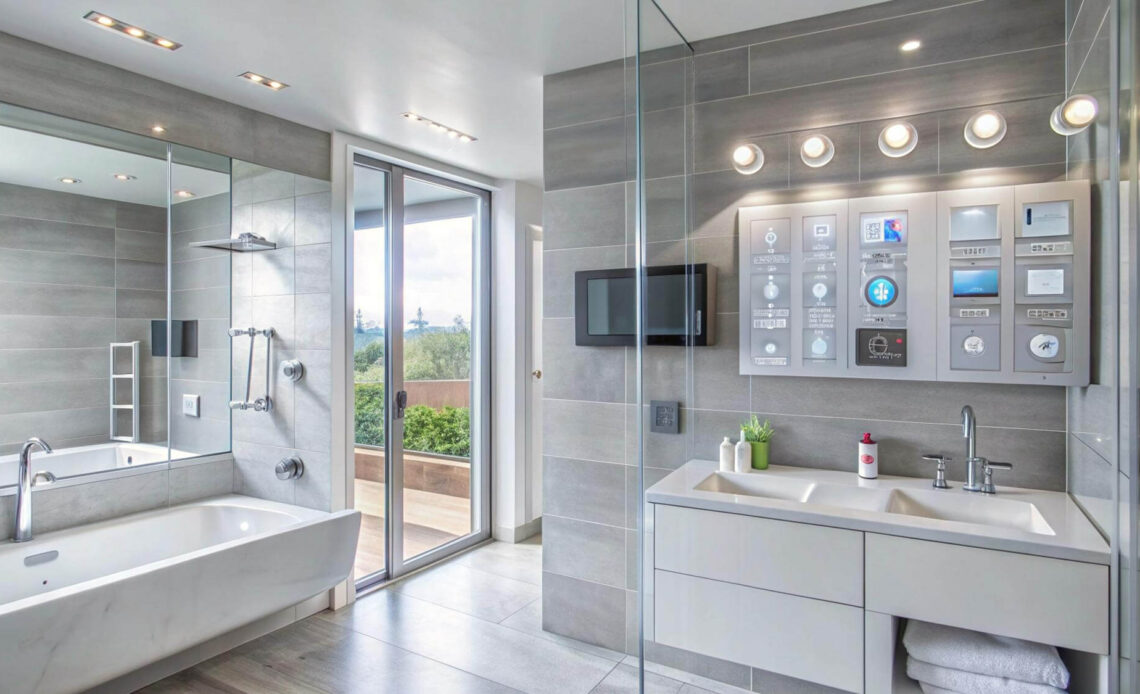
When it comes to home renovations, the bathroom often takes center stage. It’s more than just a functional space; it’s where we start and end our days, so why not make it a place you truly love? Whether you’re dreaming of a spa-like retreat or a sleek modern vibe, the right design can transform your bathroom into a sanctuary.
Planning Your Bathroom Renovation
Identifying key aspects in the planning phase ensures a successful bathroom transformation. An organized approach saves time and minimizes unexpected challenges.
Assessing Your Current Bathroom
I begin by evaluating the current layout and features. Identifying inefficient use of space, outdated fixtures like vanities or faucets, and insufficient lighting or storage highlights areas for improvement. Taking detailed measurements and noting plumbing and electrical locations informs the scope of the renovation.
Setting a Budget
Establishing a realistic budget guides both design choices and material selection. Allocating specific amounts for major components like flooring, fixtures, and labor prevents overspending. Reserving 10-15% of the budget for unexpected expenses ensures flexibility if unforeseen issues arise during the renovation.
Defining Your Style and Theme
I choose a design style that complements my home’s overall aesthetic to create cohesion. Exploring inspirations, like contemporary minimalism featuring sleek lines or rustic charm with natural materials, helps me visualize the desired outcome. Creating a mood board with colors, textures, and finishes solidifies the overall theme before finalizing purchases.
Materials and Tools
Selecting the right materials and tools plays a crucial role in achieving a seamless and efficient bathroom renovation. Proper planning ensures durability and functionality while reflecting your design preferences.
Essential Materials to Consider
- Flooring Options: Tiles such as ceramic, porcelain, or natural stone provide durability and moisture resistance. For example, porcelain tiles offer a sleek finish, while stone tiles bring a rustic look.
- Wall Finishes: Waterproof materials, like vinyl wallpaper, paint with mildew resistance, or tiled backsplashes, protect walls from moisture.
- Cabinetry and Storage: Choose water-resistant woods, such as solid teak or engineered wood, to enhance durability. Consider open shelves or frameless cabinets for modern designs.
- Fixtures and Fittings: Install eco-friendly faucets, showerheads, and toilets for a contemporary and sustainable bathroom. Stainless steel or brushed nickel can match various design themes.
- Mirrors and Lighting: Opt for LED mirrors with integrated lights or pendant lighting for eco-friendly illumination suited to daily tasks.
Tools You May Need During Renovation
- Measuring Tools: Measuring tape, spirit levels, and laser tools ensure precision for layout adjustments.
- Demolition Tools: Crowbars, hammers, and utility knives help remove old fixtures or tiles effectively.
- Installation Tools: Power drills, tile cutters, and wrenches assist in mounting fixtures and fitting plumbing systems.
- Safety Equipment: Gloves, safety goggles, and dust masks protect during demolition and heavy installations.
- Finishing Tools: Grout floats, finishing trowels, and paintbrushes help achieve clean final touches for your surfaces.
Small Bathroom Design Ideas
Creating an efficient and stylish small bathroom demands smart solutions. By focusing on storage, colors, and fixtures, achieving both functionality and aesthetics becomes possible.
Maximize Space with Clever Storage Solutions
I use vertical storage to utilize wall space effectively. Floating shelves hold towels, toiletries, and decor without taking up floor area. In-cabinet organizers keep clutter out of sight while maximizing cabinet capacity. Mounted hooks and racks on doors offer additional storage for robes and bath supplies. Compact built-ins or recessed niches in shower walls provide space for essentials like shampoo and soap.
Light Colors and Mirrors to Create an Open Feel
I apply light colors, such as whites, pastels, and soft grays, to walls, tiles, and cabinetry to reflect light and make the bathroom feel spacious. Large mirrors installed above vanities or on walls enhance brightness by amplifying natural and artificial light. Strategically placing mirrors opposite windows creates an illusion of depth, adding a sense of openness.
Compact Fixtures for a Functional Layout
I choose wall-mounted sinks and toilets to save floor space and offer a clean, streamlined look. Corner sinks or vanities make use of otherwise underutilized areas. Shower stalls with frameless glass doors create a seamless appearance, taking less room than traditional bathtub-shower combinations. Slim-profile storage units and fixtures optimize floor area without compromising on usability.
Large Bathroom Design Ideas
Creating a spacious bathroom allows for more creativity and functionality. Incorporating distinct design elements can transform your bathroom into a luxurious and practical retreat.
Incorporating Luxurious Features
Adding premium features elevates the entire bathroom experience. Freestanding bathtubs, such as clawfoot or modern soaking designs, establish a focal point while providing relaxation. Walk-in showers with rainfall showerheads and body jets ensure a spa-like appeal. Heated flooring systems and towel warmers enhance comfort in cooler seasons. Installing smart features, like digital controls for lighting and water temperature, adds convenience and a contemporary touch.
Creating Separate Zones for Functionality
Dividing a large bathroom into purposeful zones increases usability. Designate areas for bathing, grooming, and storage by using partitions or changes in flooring materials. For example, a glass divider can separate the shower area without obstructing natural light. Vanity areas with double sinks provide individual space while maintaining cohesion. Dedicated storage zones with built-in cabinetry and drawers help maintain organization while keeping the space seamless.
Choosing Statement Pieces
Incorporating bold design elements draws attention and enhances aesthetics. Oversized mirrors with custom framing reflect light and create striking visual impact. Statement lighting fixtures, such as chandeliers or geometric pendants, add elegance and character. Unique vanity designs, like custom-made or textured options, differentiate the space. Selecting tiles with intricate patterns, such as mosaic or herringbone layouts, infuses personality into walls or floors without overwhelming the space.
Trending Design Ideas for Inspiration
Incorporating trending design ideas elevates any bathroom renovation, creating spaces that reflect style and functionality. Explore the following concepts to find inspiration for your next project.
Spa-Inspired Bathrooms
Transforming a bathroom into a tranquil retreat focuses on incorporating natural elements and soothing designs. Materials like pebble stone tiles, wood accents, and matte finishes add a calming effect. Walk-in showers with rainfall showerheads and built-in benches enhance relaxation. Freestanding bathtubs with surrounding greenery or dimmable lighting complete the spa-like atmosphere. Adding heated floors prioritizes comfort during cooler months.
Modern Minimalist Designs
Creating a modern minimalist bathroom emphasizes simplicity and elegance. Natural light, clean lines, and neutral palettes like whites, grays, and beiges establish a serene ambiance. Frameless glass shower doors and streamlined fixtures, such as wall-mounted sinks and backlit mirrors, reduce visual clutter. Floating vanities provide functional storage while maintaining an open and airy appearance. Incorporating large-format tiles reduces grout lines and enhances a polished look.
Bold and Eclectic Color Schemes
Introducing bold and eclectic color schemes adds personality and creativity to a bathroom. Deep jewel tones like emerald green and navy blue create striking focal points on cabinetry or feature walls. Contrasting patterns and textures, such as geometric tiles, floral wallpaper, or terrazzo flooring, make the space visually captivating. Metallic finishes, including brass or matte black, enhance depth and provide a chic, contrasting accent. For balance, pair vibrant shades with softer, neutral hues.
Tips for Choosing the Right Fixtures and Finishes
For a polished and cohesive bathroom, selecting suitable fixtures and finishes is essential. Practicality, durability, and style should guide every choice.
Bathtub, Shower, and Sink Selection
Selecting the right bathtub, shower, and sink shapes the core functionality and layout of the bathroom. Freestanding bathtubs add luxury to large bathrooms, while alcove tubs or combined tub-shower units save space in smaller areas. Showers with frameless glass enclosures or rainfall showerheads elevate the aesthetic. For sinks, wall-mounted designs or pedestal styles maximize floor space, while double-basin vanities suit shared bathrooms for added convenience.
Flooring and Wall Tile Options
Using durable and water-resistant flooring and tile enhances longevity. Porcelain and ceramic tiles are popular due to their moisture resistance and variety of designs, while natural stone like marble or slate introduces elegance for higher budgets. For walls, large-format tiles reduce grout lines and create a seamless look, while mosaics or textured tiles add visual interest as accents.
Lighting for Ambiance and Functionality
Layering lighting ensures both ambiance and functionality in the bathroom. Overhead fixtures provide general illumination. Wall-mounted sconces flanking mirrors minimize shadows for grooming tasks. LED recessed lighting enhances modern designs, while dimmable options allow for mood adjustments. For showers, waterproof recessed fixtures maintain safety without compromising style.
DIY vs. Hiring Professionals
Choosing between DIY and hiring a professional determines the approach and outcome of any bathroom renovation. Both methods come with their advantages and challenges.
Renovating on Your Own
Undertaking a DIY renovation gives full control over the design and timeline. Tasks like painting walls, installing peel-and-stick tiles, and updating hardware can be managed with basic tools and minimal experience. This option often reduces labor costs and adds a personal touch to the project.
However, complex tasks like plumbing, electrical wiring, or installing large fixtures demand technical expertise and precision. Mistakes in these areas, such as improper pipe connections or wiring errors, could result in costly repairs. Before choosing this route, I assess my skills, the complexity of the project, and the risks involved.
Knowing When to Hire Experts
Professional contractors bring specialized knowledge and experience to complex renovations. Installing custom vanities, relocating plumbing systems, and ensuring proper waterproofing are handled efficiently by licensed experts. They also manage code compliance, reducing the risk of future legal or structural issues.
Hiring professionals is especially valuable for large-scale projects or when pursuing high-end finishes. While it involves a larger financial investment upfront, the quality of work, time saved, and peace of mind often justify the expense. When expertise or advanced requirements are necessary, I rely on vetted contractors for consistent and reliable results.
Common Design Challenges and Solutions
Renovating a bathroom often comes with challenges that require thoughtful solutions. I focus on practical approaches to overcoming these hurdles for a functional and stylish space.
Dealing With Limited Space
Maximizing limited space involves efficient layout planning and choosing compact fixtures. I recommend wall-mounted sinks and floating vanities to free up floor space. Vertical storage solutions like tall cabinets or open shelves keep essentials organized without cluttering the room. Installing large mirrors enhances the sense of openness by reflecting light and creating depth. Using light, neutral colors on walls and floors also helps make the room appear more spacious.
Solving Poor Ventilation Problems
Improving ventilation ensures a healthy environment and prevents moisture damage. For bathrooms without windows, I suggest installing a high-quality exhaust fan with adequate capacity based on room size. Fans with humidity sensors are ideal for automatically managing moisture levels. When renovating, I ensure proper placement of vents—preferably near showers or tubs—to expel damp air effectively. Adding moisture-resistant paint and mold-inhibiting finishes to walls helps to mitigate issues further.
Addressing Plumbing Constraints
Managing plumbing constraints involves reworking layouts within practical limits. Relocating fixtures like tubs or toilets may require additional expenses, so I carefully assess existing plumbing positions. Toilets and sinks should generally align with current water supply and drainage systems to avoid major modifications. If constraints leave fixture relocation unavoidable, a professional plumber is instrumental in reconfiguring pipelines while maintaining system integrity. To accommodate modern needs, I suggest upgrading to water-efficient fixtures like low-flow toilets and faucets, ensuring improved performance while conserving resources.
Conclusion
A well-designed bathroom can truly elevate your home and daily routine. Whether you’re working with a compact space or a sprawling layout, thoughtful planning and creative design choices make all the difference. By focusing on functionality, aesthetics, and quality materials, you can create a bathroom that feels both practical and luxurious.
Renovations can be challenging, but with the right approach and attention to detail, the results are always worth it. From selecting the perfect fixtures to incorporating trending styles, every decision brings you closer to the bathroom of your dreams.
Frequently Asked Questions
Why should I invest in a bathroom renovation?
Bathroom renovations enhance functionality, increase home value, and create a relaxing personal retreat. Updating outdated fixtures and layouts can improve efficiency while aligning the design to modern trends elevates both aesthetics and usability.
How do I start planning a bathroom renovation?
Begin by assessing your current bathroom layout to identify inefficiencies, set a realistic budget, and choose a design style that complements your home. Using mood boards can help visualize your desired outcome and guide your renovation choices.
What materials are best for bathroom flooring and walls?
Durable, moisture-resistant materials such as ceramic, porcelain, and natural stone are ideal for bathroom floors. For walls, waterproof finishes and tiled backsplashes work well to protect against water damage while adding style.
How can I maximize storage in a small bathroom?
Use vertical storage solutions like floating shelves, cabinets with inbuilt organizers, and wall-mounted fixtures. Incorporate mirrors and light colors to create an open, spacious feel.
What are some ideas for designing large bathrooms?
Large bathrooms offer opportunities to add luxury features such as freestanding tubs, walk-in showers, and separate zones for grooming and storage. Statement pieces like oversized mirrors and unique lighting fixtures elevate the aesthetic.
What eco-friendly options are available for bathroom renovations?
Eco-friendly fixtures like low-flow toilets, water-saving faucets, energy-efficient lighting, and sustainable materials such as bamboo or recycled glass are great options for reducing environmental impact.
Should I hire a professional or do a DIY bathroom renovation?
Hire a professional for complex tasks like plumbing or electrical work and to ensure high-quality finishes. DIY projects can save costs and offer personal control but are best suited for minor updates or upgrades.
How do I choose the right bathroom lighting?
Layered lighting works best—combine ambient, task, and accent lighting for a well-lit bathroom. Use vanity lights for grooming, ambient fixtures for overall brightness, and decorative lights for style.