
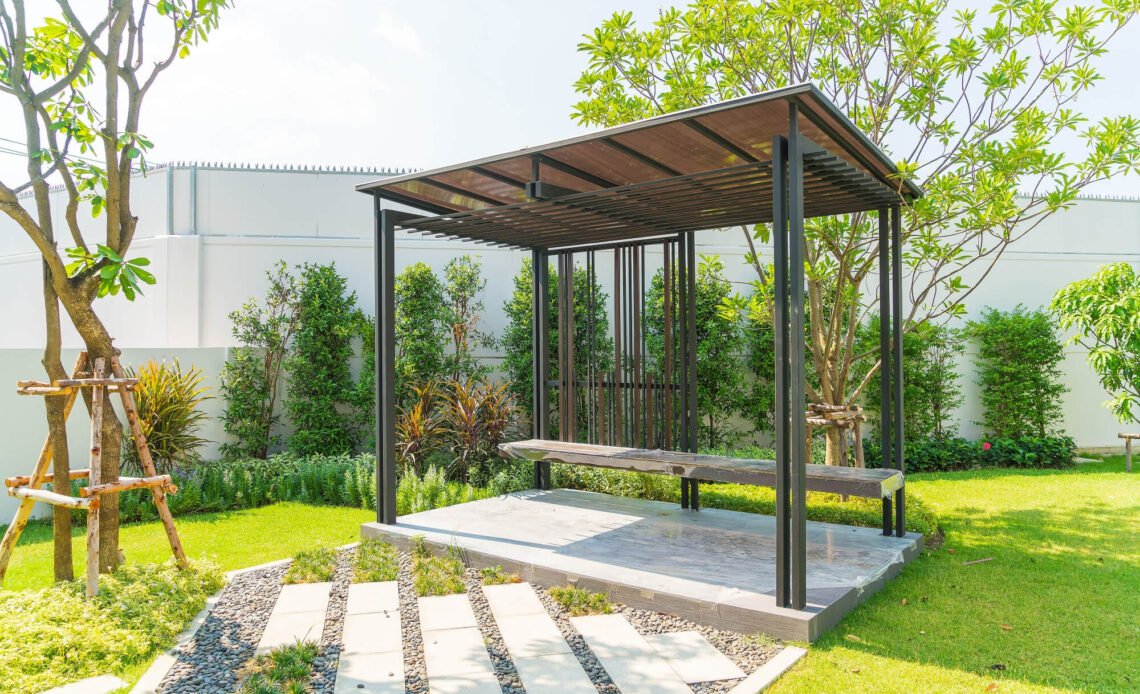
Transforming a backyard into a stunning outdoor oasis doesn’t have to be overwhelming. I’ve learned that with a few clever styling tips, any outdoor space can become a relaxing retreat or an entertainer’s dream. It’s all about combining functionality with a touch of creativity to make it truly yours.
Whether you’re working with a small patio or a sprawling yard, the right approach can completely elevate the vibe. From choosing the perfect furniture to adding those little details that tie everything together, creating a beautiful backyard is easier than you think. Let’s dive into some simple yet impactful ways to style your outdoor space effortlessly.
Tip 1: Choose A Theme For Your Backyard
Selecting a theme helps create an outdoor space with a cohesive and inviting atmosphere. A clear theme ensures every element complements the overall design.
How To Identify The Right Theme
I start by assessing the purpose of the backyard. For a tranquil retreat, I lean toward calming and natural styles, like a Zen garden. For entertaining, modern or bohemian themes work well. The size and layout of the backyard also guide the choice. A small backyard pairs best with minimalist designs, while larger spaces can accommodate layered, multi-functional themes. Personal preferences and existing home decor also influence the decision.
Popular Backyard Styling Themes
- Modern Minimalist: Sleek furniture, neutral tones, and clean lines create a polished look.
- Rustic Charm: Wooden furniture, string lights, and vintage decor foster a cozy atmosphere.
- Coastal Relaxation: Blues, whites, and nautical details mimic beachside settings.
- Bohemian Vibes: Bright textiles, eclectic details, and lush greenery add vibrancy.
- Tropical Oasis: Bold foliage, tropical colors, and bamboo furniture enhance an island-inspired ambiance.
Tips For Cohesive Styling
- Pair furniture with decor that matches your theme. For example, bohemian themes combine low-seating furniture with layered rugs.
- Stick to a defined color palette. Rustic themes benefit from earthy tones, such as browns and greens.
- Use thematic features consistently. Incorporate water features for a Zen-inspired style or lanterns for a Moroccan look.
- Ensure the plants align with the theme. Palms suit tropical vibes, while succulents add to minimalist designs.
- Balance style with functionality. Include multi-use furniture while maintaining the visual appeal of the chosen theme.
Tip 2: Create Comfortable Seating Areas
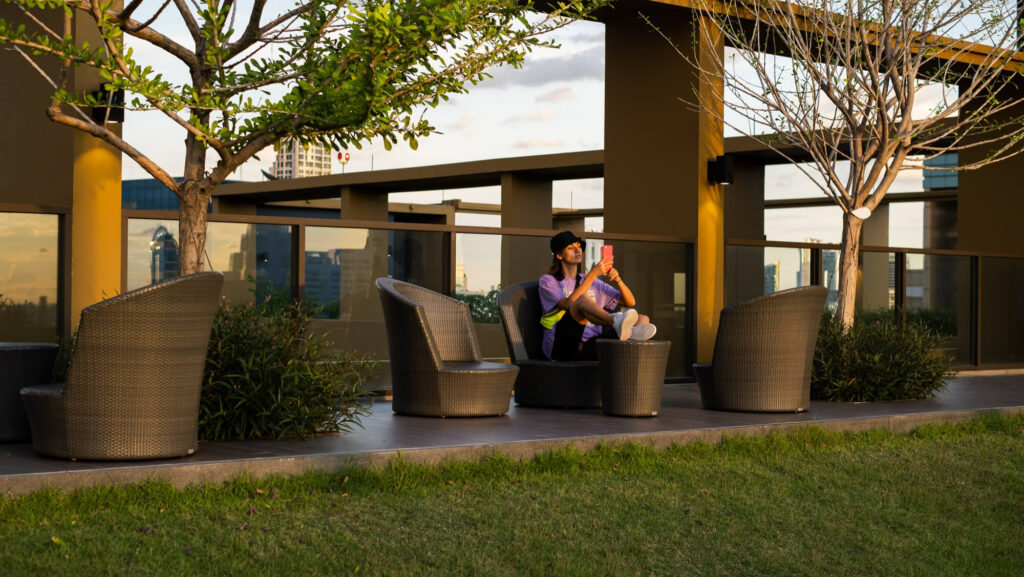
Comfortable seating sets the foundation for an inviting outdoor space. Thoughtfully arranged and well-furnished seating enhances both relaxation and usability.
Selecting The Right Outdoor Furniture
Choosing durable, weather-resistant furniture is essential for any outdoor setup. Materials like teak, aluminum, or synthetic wicker resist weather elements while providing a stylish look. For example, teak benches, aluminum bistro sets, or wicker lounge chairs blend function with elegance. I recommend furniture with clean lines for a modern style or ornate designs for traditional aesthetics. Priority goes to pieces that fit the backyard layout—compact for small patios and expansive for larger yards.
Adding Cushions, Pillows, And Throws
Comfortable accents elevate the seating experience. UV-protected, weatherproof cushions retain color and withstand rain or sun exposure. Vibrant pillows in contrasting or complementary colors enhance visual appeal. I find that layering throws adds warmth during cooler evenings and contributes to the ambiance. Patterns and textures should align with the chosen theme for consistency. For example, bohemian themes work well with fringed throws and tribal-print pillows.
Maximizing Small Spaces For Seating
Utilizing space-efficient furniture and creative layouts maximizes smaller seating areas. Built-in benches along walls or corners conserve space while adding functionality. Multifunctional pieces like storage ottomans offer seating and extra utility. If vertical space is available, I include hanging chairs for a unique touch without crowding floor space. Prioritizing layout ensures cozy but uncluttered seating arrangements.
Tip 3: Incorporate Outdoor Lighting
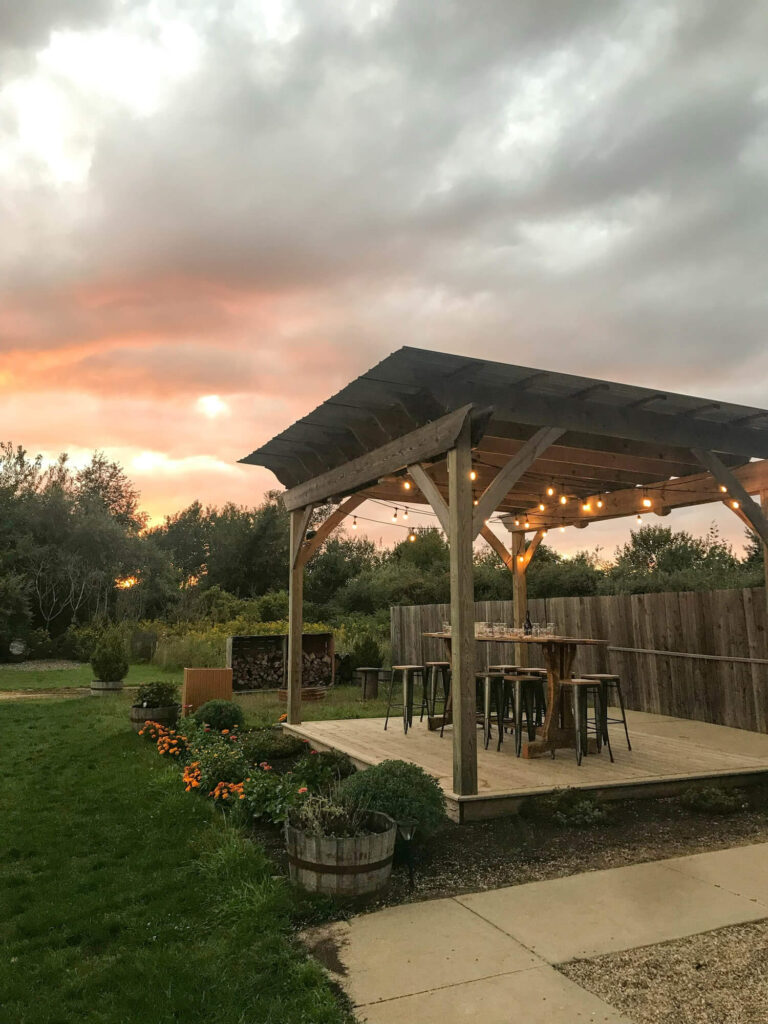
Outdoor lighting enhances aesthetics and improves functionality in your backyard space. Thoughtful illumination can create a warm, inviting environment that transitions seamlessly from day to night.
Types Of Outdoor Lighting To Consider
Layering different lighting types ensures both practical use and style enhancement.
- String Lights: Perfect for overhead lighting, string lights work well draped across patios, over dining areas, or along fences.
- Pathway Lights: Solar-powered or low-voltage options improve safety while adding charm to garden walkways or driveways.
- Spotlights: Use these to highlight trees, water features, or architectural details for a dramatic effect.
- Lanterns: Battery-powered or LED lanterns provide portability, making them ideal for rearranging during gatherings.
DIY Outdoor Lighting Ideas
Adding personal touches through DIY lighting is a cost-effective way to elevate your space.
- Mason Jar Lanterns: Fill glass jars with LED tea lights or fairy lights, then hang them from trees or shepherd’s hooks.
- Wine Bottle Lights: Insert string lights into empty wine bottles to craft unique table or boundary lighting.
- Tin Can Luminaries: Punch decorative patterns into tin cans, paint them, and place candles or LED lights inside for glowing designs.
Creating Ambiance With Lighting
Strategic lighting transforms the mood of outdoor spaces.
- Warm-Toned Bulbs: Choose bulbs with a soft, yellow glow to establish a cozy, inviting atmosphere for evening relaxation.
- Dimming Options: Include dimmers to adjust lighting levels based on activities, such as dining or late-night lounging.
- Layered Placement: Combine overhead, ground-level, and indirect lighting to balance brightness and highlight focal points.
Tip 4: Add Greenery And Decorative Plants
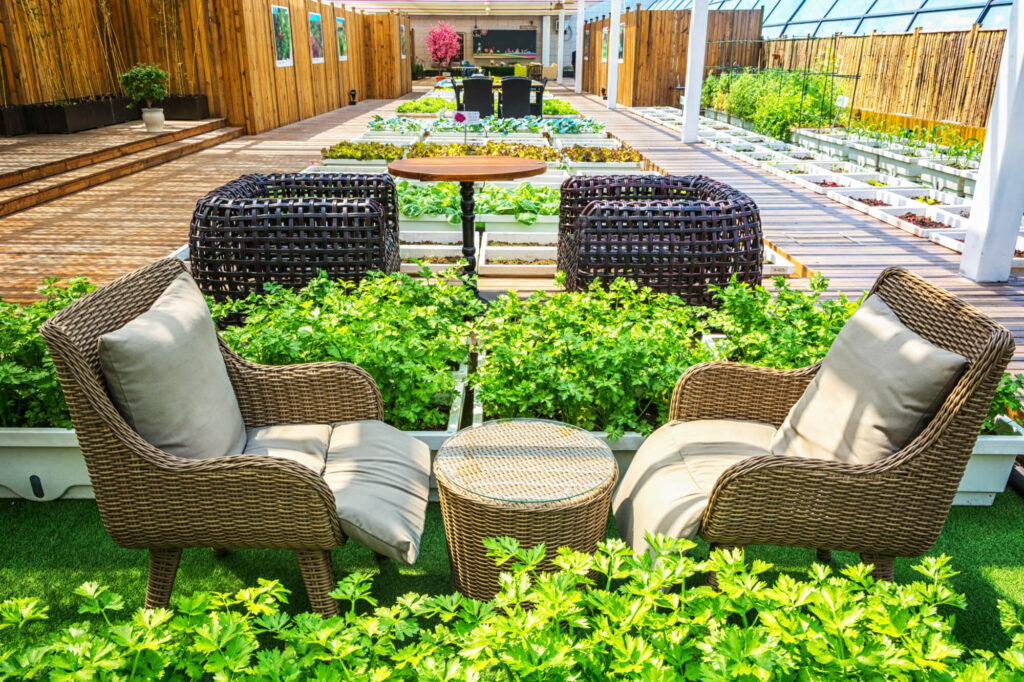
Incorporating plants into your backyard enhances its visual appeal and creates a calming, natural atmosphere. Thoughtful plant selection ensures your outdoor space stays cohesive and manageable.
Choosing The Right Plants For Your Space
I focus on choosing plants based on the climate, sunlight availability, and the backyard’s layout. For sunny spots, I recommend sun-loving options like lavender or marigolds. Shady areas benefit from hostas or ferns. Native plants, such as milkweed or cone flowers, thrive better and reduce maintenance requirements. I also consider the purpose of the plants. For privacy, hedges like boxwood or bamboo perform well, while smaller flowering plants, such as petunias or begonias, add pops of vibrant color.
Tips For Backyard Landscaping
Grouping plants strategically creates depth and enhances visual harmony. I layer height by placing taller plants, like ornamental grasses or hydrangeas, at the back and shorter ones, like succulents or pansies, in the foreground to achieve a tiered effect. Defining garden beds with edging stones or wooden borders provides structure and keeps areas neat. I incorporate decorative planters, such as ceramic pots or hanging baskets, to break monotony and introduce texture. Adding mulch around plants helps retain moisture and suppress weeds, ensuring easier upkeep for the landscaping.
Low-Maintenance Plant Options
For simple care, I select low-maintenance plants that thrive with minimal intervention. Hardy perennials, like daylilies and Russian sage, return every year with little effort. Succulents, such as aloe vera or jade plants, require infrequent watering while providing a modern look. Evergreen shrubs, like juniper or holly, maintain form year-round. Drought-tolerant varieties, such as sedum or lavender, reduce dependency on regular watering, making them ideal for drier climates or individuals with busy schedules.
Tip 5: Use Decor And Accessories
Adding decor and accessories ties the backyard’s aesthetic together and enhances its functionality. Thoughtful choices elevate the space and reinforce the chosen theme.
Choosing Weatherproof Outdoor Decor
Selecting weatherproof decor ensures durability and maintains the backyard’s appeal. Materials like resin, treated wood, and powder-coated metals resist harsh weather conditions effectively. For textiles, opt for weather-resistant cushions and rugs made from synthetic fibers like polypropylene or acrylic. I find that lanterns, planters, and sculptures designed for outdoor use complement functionality while withstanding elements. For instance, incorporating ceramic pots with built-in drainage adds practicality to decorative pieces.
Layering Textures And Colors For A Stylish Look
Layering diverse textures and colors creates depth and adds visual interest. Mix materials like woven wicker, metal, and wood across furniture and decor. Introduce patterned outdoor pillows, throws, or rugs in complementary colors to highlight the theme. I always ensure balance; for example, in a minimalist theme, I match soft textures like cotton with clean-lined metal accents. Adding rugs under seating areas unifies the design while defining spaces.
Incorporating Personal Touches
Adding personal touches brings uniqueness and warmth to the backyard design. Display family-friendly elements like handmade wind chimes, custom signboards, or photo-printed outdoor pillow covers. Including items like painted pots or DIY pallet furniture reflects creativity. I often incorporate items that hold sentimental value, such as a vintage lantern or an upcycled bench, ensuring that these details align with the space’s overall theme.
Additional Tips For Backyard Styling
Elevating backyard aesthetics doesn’t require extensive resources or constant changes. Focusing on affordability, adaptability, and attention to detail can bring stunning results.
Budget-Friendly Decorating Ideas
Transforming outdoor spaces can be inexpensive with creative strategies. Upcycling materials provides affordable decor; for example, reclaimed wood can serve as planters, benches, or wall accents. Adding DIY furnishings, such as pallet sofas or concrete side tables, creates a budget-friendly yet stylish look. Searching for secondhand furniture is another cost-effective solution, as thrift stores and online marketplaces often have outdoor-friendly pieces at lower prices. Decorative items like outdoor rugs, cushions, and string lights sourced during sales stretch budgets while maintaining quality.
Seasonal Styling Suggestions
Adapting backyard decor to fit each season keeps outdoor areas fresh and inviting. For summer styling, integrating vibrant textiles in warm colors creates an energetic atmosphere, while autumn calls for deeper hues like burnt orange and burgundy, paired with cozy throws and lanterns. In winter, accessories like fire pits, outdoor heaters, and holiday-themed string lights promote warmth and festivity. Spring styling involves adding fresh blooms, wreaths, and pastel-colored decor to refresh the space. Rotating smaller decor items seasonally rather than making major alterations simplifies transitions.
Mistakes To Avoid When Styling
Avoiding common design missteps ensures a cohesive and practical backyard setup. Overcrowding the space with unnecessary furniture or decor often results in a cluttered and uninviting look. Choosing decor and furniture unsuited for outdoor exposure, such as untreated wood or fabrics not designed for weather resistance, leads to premature wear and upkeep difficulties. Failing to prioritize functionality alongside aesthetics limits the space’s usability, affecting its versatility. Additionally, neglecting a clear theme disrupts design continuity and overall harmony. Instead, I focus on simple, durable, and purpose-driven elements to ensure long-term success.
Troubleshooting Common Issues
Resolving common backyard challenges ensures a functional and stylish outdoor space. Addressing specific problems effectively can transform even the most problematic areas.
Addressing Cluttered Spaces
Organizing and decluttering enhances usability and aesthetic appeal. I start by evaluating the layout, identifying items that obstruct pathways or create visual noise. Removing unused or broken furniture and decor simplifies the space instantly. Using storage solutions like deck boxes, weatherproof bins, or vertical racks keeps essentials organized and out of sight. For small decor items, I recommend grouping them thematically to maintain a cohesive look rather than scattering them across the yard.
Dealing With Limited Space Or Budget
Maximizing small spaces and working within a budget creates opportunities for creativity. Choosing multifunctional furniture—such as benches with storage or foldable tables—saves both space and money. I incorporate vertical gardening solutions, like wall planters or hanging pots, to add greenery without consuming valuable ground space. For budget-friendly designs, I upcycle pallets into seating, refurbish used furniture, or utilize inexpensive materials like gravel or mulch for pathway designs. Prioritizing functionality ensures that limited resources yield maximum impact.
Reviving A Neglected Backyard
Transforming an overgrown or unused backyard revitalizes its purpose and charm. I start by clearing debris, pruning overgrown plants, and weeding. Pressure-washing patios, furniture, and pathways freshens surfaces and removes stains. Adding fresh, low-maintenance plants restores greenery while requiring minimal upkeep. For visual enhancement, I place colorful potted plants, lay outdoor rugs, or install solar lights along pathways. Repairing small damages like broken fences or cracked tiles ensures safety and completes the restoration.
Conclusion
Styling your backyard doesn’t have to be complicated or costly. With thoughtful planning and creative touches, you can transform any outdoor space into a stunning retreat that suits your needs and personality. Whether it’s a cozy nook for relaxation or a lively area for entertaining, the right choices can make all the difference.
Remember, it’s about creating a space that feels welcoming and reflects your style. By combining functionality with aesthetic appeal, you’ll have an outdoor area you’ll love spending time in year-round.
Frequently Asked Questions
How can I choose a theme for my backyard?
Start by identifying the purpose of your backyard—relaxation, entertainment, or both. Popular themes include modern minimalist, rustic, bohemian, coastal, or tropical. Stick to a defined color palette and ensure furniture, decor, and plants align with your chosen theme for a cohesive look.
What is the best seating for a small backyard?
Opt for space-efficient furniture like compact sets, foldable chairs, or built-in benches. Multifunctional pieces, such as storage ottomans or modular sofas, can maximize the available space while maintaining comfort and style.
What types of outdoor lighting should I use?
Layer lighting with options like string lights for ambiance, pathway lights for safety, and spotlights for accenting features. Use warm-toned bulbs and dimmable options to create a cozy atmosphere that transitions smoothly from day to night.
How do I choose the right plants for my backyard?
Consider your climate, backyard layout, and sunlight availability. Select sun-loving plants for bright areas, shade-tolerant options for low-light spots, and low-maintenance varieties like succulents or drought-tolerant perennials for easier care.
What are some affordable ways to decorate a backyard?
Upcycle materials, shop for secondhand furniture, or DIY decor like mason jar lanterns and pallet furniture. Small personal touches, such as handmade wind chimes or custom signs, can add charm without breaking the budget.
How can I prevent my backyard from looking overcrowded?
Avoid adding too much furniture or decor. Focus on functionality by choosing items with purpose, maintaining open pathways, and sticking to a clear theme. Decluttering and grouping items strategically can help achieve a balanced look.
What are some budget-friendly outdoor storage options?
Use weatherproof storage benches, storage boxes, or multi-functional furniture with hidden compartments. Wall-mounted hooks or shelves can also provide vertical storage for compact spaces.
How can I refresh a neglected backyard?
Start by clearing debris, pruning overgrown plants, and repairing any damages. Add low-maintenance plants, tidy up garden beds, and incorporate fresh decor, such as outdoor cushions or colorful accessories, for an instant uplift.