
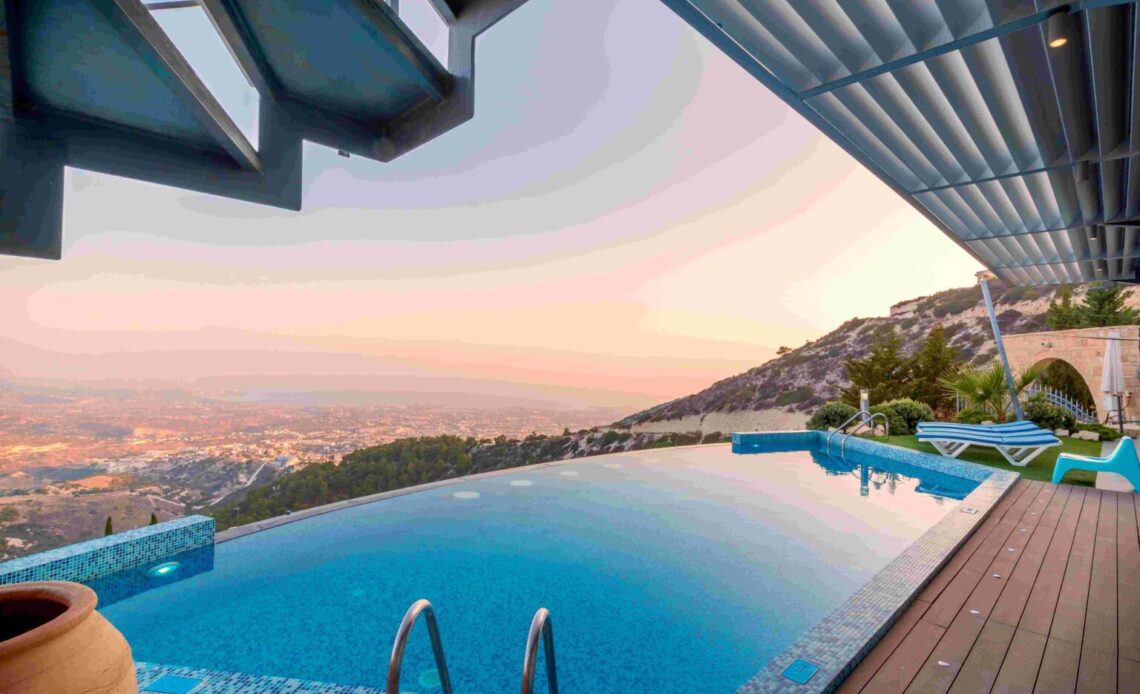
When it comes to choosing a pool for your backyard, durability and ease of maintenance are key factors. I’ve found that fibreglass pools stand out as a smart investment for homeowners looking for a hassle-free option. Their sleek design, combined with impressive strength, makes them a popular choice for families and individuals alike.
What I love most about fibreglass pools is how little upkeep they require compared to other options. They resist algae growth, don’t need resurfacing, and are built to last for decades. Whether you’re planning weekend pool parties or quiet relaxation, these pools offer the perfect balance of style and practicality.
Why Choose Fiberglass Pools?
Fiberglass pools offer unique advantages that make them a durable and low-maintenance choice for any backyard. Their resilience and efficiency set them apart from alternative pool options.
Benefits Of Fiberglass Pools
- Durability: Fiberglass materials stand up to harsh weather and frequent use, maintaining structural integrity for decades. Unlike concrete, these pools resist cracking and major wear.
- Low Maintenance: Non-porous surfaces in fiberglass pools prevent algae buildup, requiring less frequent cleaning. Routine upkeep involves simpler tasks compared to vinyl liner or concrete pools.
- Quick Installation: Pre-fabricated designs ensure faster installation, typically completed within 3–5 days, reducing labor costs and downtime.
- Energy Efficiency: Smooth surfaces and insulating properties reduce heat loss, helping to keep water temperatures stable and lowering heating costs.
- Design Variety: Various shapes, sizes, and finishes are available, accommodating different backyard layouts and aesthetic preferences.
Comparing Fiberglass Pools To Other Pool Types
- Concrete Pools: Concrete pools demand intensive maintenance, including periodic resurfacing and consistent chemical balancing, while fiberglass pools simplify cleaning and are more resilient.
- Vinyl Pools: Vinyl liners are susceptible to tears and require replacement every 5–9 years. Fiberglass pools eliminate this expense, offering a one-piece solution with long-term benefits.
- Above-Ground Pools: Above-ground options lack durability and aesthetic appeal compared to in-ground fiberglass pools, which provide a permanent, polished look.
- Saltwater Systems: Fiberglass pools perform better with saltwater systems due to their resistance to corrosion and surface degradation, making them a preferred choice for such setups.
Fiberglass pools combine functionality, durability, and style, outperforming other pool types in multiple areas.
Materials And Tools Needed For Installation
Installing a fibreglass pool involves careful preparation and the right resources to ensure efficiency and durability. Below is a breakdown of materials and tools commonly required for this process.
Required Materials
- Fibreglass pool shell: The central component ensuring durability and low maintenance.
- Gravel or crushed stone: Used as a base to provide stability and proper drainage.
- Concrete mix: Ideal for securing the pool shell edges and enhancing structural integrity.
- PVC pipes and fittings: Necessary for assembling the pool’s plumbing system.
- Backfill material: Often sand or gravel, chosen based on local soil conditions to avoid settling.
- Waterproof sealant or adhesive: Ensures tight seals, preventing leaks around fittings and flanges.
Essential Tools
- Excavator: Provides efficient digging to achieve the required depth and shape.
- Laser level: Ensures accurate leveling, critical for even pool installation.
- Shovels and rakes: Useful for manual adjustments and distributing base material.
- Pipe cutter: Simplifies resizing PVC pipes to fit the plumbing layout.
- Compactor: Helps in evenly compressing the base and backfill material for stability.
- Water pump: Removes excess water from the excavation site, maintaining a dry installation area.
Preparation Before Installation
Proper preparation lays the foundation for a successful fibreglass pool installation. I ensure all steps are thoroughly planned to avoid delays and complications.
Selecting The Best Location
I choose a location that balances aesthetics and functionality. The spot must receive ample sunlight and maintain a safe distance from large trees, ensuring minimal debris. Accessibility for equipment like excavators directly influences installation efficiency. I also consider the proximity to utilities, such as water and electrical lines, vital for seamless plumbing and maintenance.
Checking Local Regulations And Permits
Compliance with local codes is essential for a smooth process. I research zoning restrictions and setback requirements specific to my area. Obtaining permits involves submitting detailed pool plans, including dimensions and drainage systems, to local authorities. Neglecting this step could result in fines or project delays.
Preparing The Groundwork
Ground preparation starts with clearing the site of any vegetation and obstacles. Using an excavator, I dig according to the pool dimensions provided by the manufacturer. A laser level ensures the excavation depth is accurate to avoid alignment issues later. Compacted gravel or crushed stone is added at the base for stability. Finally, I verify the area is free from waterlogging to maintain structural integrity.
Step-By-Step Installation Process
Efficient installation of fibreglass pools involves multiple stages. Completing each step accurately ensures a durable and long-lasting pool structure.
Setting The Pool Shell
After completing the excavation and preparing the base, I carefully lower the fibreglass shell into position using a crane. I ensure the shell aligns perfectly with the designated layout, checking with a laser level for precision. Adjustments are made by hand to stabilize the shell if slight shifts occur.
Plumbing And Electrical Work
I install PVC pipes to connect the pool to the filtration, heating, and drainage systems. Glue and clamps secure the pipes to prevent leaks. For electrical connections, I safely set up the pool pump and lighting, verifying compliance with local electrical codes.
Backfilling And Leveling
I use backfill materials like gravel or sand to fill gaps between the shell and the excavation walls. Gradual backfilling occurs in layers to avoid pressure imbalances. I compact each layer to maintain stability, periodically checking the level of the shell throughout.
Filling The Pool With Water
Once backfilling is complete, I fill the pool with water to reinforce its structure. Simultaneously filling and backfilling ensures equal distribution of pressure to prevent misalignment or stress on the pool walls.
Finalizing The Surroundings
After the pool is fully installed, I secure the pool edge using a concrete mix for long-term stability. I finish the surrounding area by paving, landscaping, or adding additional features like decking or fencing to create a polished and functional outdoor space.
Maintenance Of Fiberglass Pools
Fiberglass pools require minimal upkeep compared to other pool types, but consistent care ensures their longevity and pristine condition. Following effective maintenance practices enhances the pool’s functionality and appearance.
Regular Cleaning Tips
Cleaning fiberglass pools involves simple yet efficient tasks to keep the surface clear and hygienic. I use a soft-bristled pool brush to remove debris or dirt, focusing on non-abrasive motion to avoid scratches. A pool vacuum helps remove sand, leaves, or fine particles from the bottom. For the waterline, I clean it weekly using a sponge and a specialized cleaner safe for fiberglass surfaces to prevent buildup.
Maintaining Water Chemistry
Balanced water chemistry safeguards both the pool and swimmer health. I test the water weekly using test strips or a digital kit to monitor pH, alkalinity, and calcium hardness levels. Maintaining a pH between 7.2 and 7.6, alkalinity within 80-120 ppm, and calcium hardness around 200-400 ppm helps avoid scaling or etching. If using a saltwater system, I ensure salt levels stay within manufacturer-recommended ranges to prevent surface damage.
Seasonal Maintenance Checks
Seasonal maintenance keeps the pool ready for extreme temperatures or inactivity. Before winter, I lower water levels below the skimmer, add winterizing chemicals, and cover the pool with a high-quality cover for protection. In spring, I inspect plumbing, pumps, and filters for damage or clogs and clean or replace cartridges. During summer, I routinely check for heat-induced wear on equipment like pumps and ensure consistent operation. Regular seasonal checks extend the pool’s efficiency and aesthetic appeal.
Common Issues And Troubleshooting
Fibreglass pools are designed for durability and minimal maintenance, but some issues may arise over time. Addressing these problems promptly ensures the pool remains in peak condition.
Dealing With Cracks Or Damage
Minor surface cracks, also referred to as spider cracks, can appear on fibreglass pools due to external pressure or improper installation. I assess the cracks to determine their severity—cosmetic cracks rarely affect structural integrity, while deeper cracks necessitate professional repair. Epoxy-based fillers or gel coat repair kits work effectively to seal surface damage. In cases of significant structural damage, consulting a professional prevents further complications.
Handling Algae Growth
Algae growth is uncommon in fibreglass pools due to their smooth, non-porous surface. If green, yellow, or black algae spots emerge, I balance the pool’s pH between 7.4 and 7.6 and apply an appropriate algaecide. Regular use of chlorine or alternative sanitizers also inhibits algae proliferation. Weekly brushing of surfaces and proper water circulation eliminates lingering spores.
Preventing Stains And Discoloration
Rust-like stains or discoloration often result from high metal content in water or organic debris buildup. I use a sequestrant to bind metals and prevent stains when filling the pool. Removing organic matter like leaves quickly prevents tannin stains, while periodic stains can be treated with ascorbic acid. For persistent discoloration, professional treatments may be necessary to restore the pool’s surface.
Tips For Extending The Lifespan Of Your Fiberglass Pool
Taking specific steps can enhance the longevity of a fiberglass pool. Regular care and protective measures ensure lasting durability and appearance.
Proper Usage And Care
Following simple usage and care rules helps maintain the pool’s condition. Use a soft-bristled brush and non-abrasive tools to prevent surface scratches. Avoid rough objects, heavy equipment, or sharp edges in the pool that can damage the fiberglass. Maintain balanced water chemistry with weekly tests for pH (7.2–7.8), alkalinity (80–120 ppm), and calcium hardness (200–400 ppm) to prevent scaling or etching. Schedule professional equipment checks annually to ensure smooth system operation.
Protective Measures For Harsh Weather
Prepare the pool during extreme weather to avoid potential damage. Lower the water level slightly before a storm to accommodate excess rainwater but avoid over-draining to preserve stability. Use a durable pool cover to shield the fiberglass from hail or debris. In cold climates, winterize the pool by draining water from pipes and filtration systems, adding antifreeze where needed, and covering the pool securely to prevent freeze damage. These steps safeguard the pool against weather-related wear, preserving its structure.
Conclusion
Fibreglass pools offer a winning combination of durability, low maintenance, and timeless style. With proper installation, regular care, and a few preventative measures, they can provide decades of enjoyment while enhancing any outdoor space. Whether you’re seeking a relaxing retreat or a vibrant area for entertaining, a fibreglass pool is a reliable and long-lasting choice that delivers exceptional value.
Frequently Asked Questions
What are the main advantages of fibreglass pools?
Fibreglass pools are durable, low-maintenance, and resistant to algae growth. They do not require resurfacing, handle harsh weather well, and are ideal for saltwater systems due to their corrosion resistance. Additionally, they offer quick installation, sleek designs, and long-term cost efficiency.
How long do fibreglass pools last?
With proper maintenance, fibreglass pools can last for decades, often over 25 years. Their durable structure and resistance to cracking or corrosion ensure longevity.
How does the installation of fibreglass pools differ from other types?
Fibreglass pools have a quicker installation process compared to concrete or vinyl pools. The pool shell is pre-cast, reducing labor and time. Steps include excavation, setting the shell, plumbing, backfilling, and final landscaping.
Do fibreglass pools require a lot of maintenance?
No, fibreglass pools require minimal maintenance. They resist algae growth, do not need resurfacing, and are easy to clean with a soft brush. Regular water testing and minor seasonal checks suffice.
Are fibreglass pools suitable for saltwater systems?
Yes, fibreglass pools are ideal for saltwater systems. Their non-porous surface resists corrosion, unlike concrete or metal materials.
Can fibreglass pools crack?
Fibreglass pools are highly durable, but minor surface cracks can occur due to improper installation or external pressure. These are usually cosmetic and easily repairable.
How can I extend the lifespan of my fibreglass pool?
Maintain balanced water chemistry, use non-abrasive cleaning tools, and schedule annual professional equipment checks. For harsh weather, use protective covers, winterize the pool, and take storm precautions.
What is the expected installation timeline for a fibreglass pool?
The installation process typically takes 1-2 weeks, much faster than concrete pools, which can take months. Pre-cast shells and efficient setup are key reasons for this shorter timeline.
