
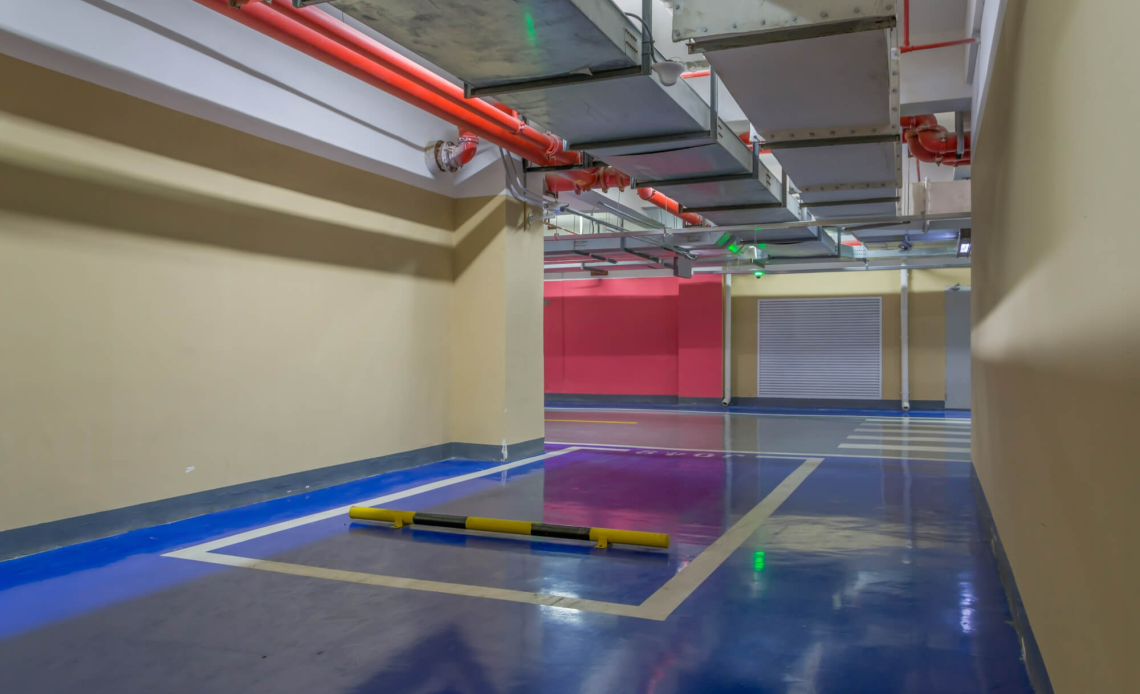
The floor that sets the tone
Fresh oil on concrete travels fast. One drip becomes a dark map that never quite lifts, and soon the room reads as shed rather than part of the home. A clean, sealed floor changes that story. It resists spills, wipes down without fuss, and makes light bounce around the space so the whole area feels larger and calmer. Many designers say the garage now doubles as a mudroom, gym or project space, which is why more owners want hard working finishes that also look sharp. The good news is there are several proven ways to block stains, each with its own trade offs on cost, speed and appearance.
Epoxy systems for a hard, sealed surface
Epoxy remains the classic choice for garages because it forms a thick, non porous layer that stops oil and coolant from soaking into the slab. Two part epoxies cure into a shell that is tougher than paint. You can add vinyl flakes for a soft speckled look, or leave the surface flat for a more minimal read. Anti slip aggregate helps in wet weather. The key is preparation. The concrete needs to be clean, dry and profiled so the coating bonds. Many installers prefer mechanical grinding rather than acid etching because it gives a consistent texture and removes weak laitance at the surface.
If you plan to make the garage part of a wider refresh, it can help to map big decisions at the same time you consider the door, storage and lighting. Guides like DIY flooring ideas and advice explain how small prep steps decide how long a finish lasts, from cleaning to curing time. A careful start pays off for years.
Polyaspartic and polyurethane topcoats for quicker turnarounds
Epoxy builds thickness, but it can take time to cure. Polyaspartic coatings speed things along. They go down in thin coats, level well, and cure faster, which suits homes that cannot leave the car on the street for days. Many installers use epoxy as a base coat for body and colour, then top with polyaspartic to add UV resistance and clarity. Polyurethane topcoats are another way to add chemical resistance and gloss without building too much height at thresholds. The result is a clear, tight film that shrugs off oil and tyre marks. Some owners prefer a satin topcoat because it hides dust and tiny scratches better than full gloss.
Polished concrete with densifiers and guards
Polished concrete has moved from warehouse to home, and it makes sense in garages. The process uses diamond grinders to smooth the slab, then a liquid densifier that reacts with the concrete to harden the surface. A penetrating guard or micro sealer adds stain resistance. The look ranges from matte to a soft sheen, with the option to expose aggregate for texture. There is no film to peel because the surface is the finish. Oil sits on top for longer, which buys time to wipe it off with a neutral cleaner. The floor feels solid underfoot and works with underfloor heating in cold regions, although most Australian garages rely on air movement rather than heating.
Interlocking tiles that lift out for easy cleaning
Click together tiles turn a scruffy slab into a neat grid within hours. PVC and polypropylene versions come in coin, diamond or vented patterns. The vented style lets water and sand fall through, which helps in coastal areas or after a muddy trail ride. If a tile is damaged, you lift it and replace it rather than patching a whole coating. Oil wipes off plastic surfaces, and many owners keep a spare pack in the rafters for quick swaps. Tiles add a layer above the concrete, so check door clearances and allow for a neat edge trim at the threshold.
Porcelain and composite pavers for a showroom finish
Large format porcelain can handle cars if you pick tiles rated for drive on loads and use the right adhesive and grout. Porcelain does not absorb oil easily, which makes stains slower to set. Light grey or warm stone tones give a modern, calm backdrop to tools and bikes. Composite pavers with recycled content are another option where weight and slip resistance matter. Both choices work well when the garage doubles as a hobby room, since they read closer to living space than workshop. If you are coordinating the front of the home, articles such as front elevation designs for houses show how the door, driveway and entry set the wider look. A tidy floor inside the garage completes the line.
Prepare the slab, test for moisture, and fix cracks
Every finish relies on the slab. Oil soaked patches need a solvent based degreaser followed by thorough rinsing. Moisture testing helps you avoid blistering or cloudiness under clear coats. A simple taped plastic sheet can give an early clue, but professional meters give better guidance in humid regions. Hairline cracks should be cleaned out and filled with an epoxy or polyurethane crack filler that remains slightly flexible. If the slab is new, follow curing times before any coating. Owners building from scratch can make early choices that help later, including a smooth steel trowel finish and a gentle slope to the door for drainage, which align with broader planning steps covered in how to build a new house.
Colour, texture and layout that read modern
Most modern garages lean toward light neutrals with a hint of warmth. Mid grey hides dust better than white and reflects more light than charcoal. Flecked flakes in coatings break up tyre marks without feeling busy. Tiles can run in a simple checker or a single field with a contrasting border that frames the parking zone. Many designers say a narrow darker strip at the entry hides scuffs where tyres turn. Texture matters for safety. A fine quartz broadcast or a coin pattern tile improves grip without looking industrial.
If you are upgrading the door at the same time, it is worth thinking about how finishes talk to each other. A clean floor pairs well with a quiet, well sealed door that keeps leaves and mist out. Practical advice such as top 10 expert tips for picking the perfect residential garage door helps when you weigh insulation, daylight and clearance alongside the finish under the car.
Care routines that keep stains at bay
Even the best floor benefits from simple habits. Keep a small tray under motorbikes and mowers after a service. Wipe spills as soon as you see them, since fresh oil is far easier to lift than a week old patch. Use a neutral cleaner rather than harsh solvents, which can dull coatings and etch guards. Place a coarse mat at the entry to catch grit before it acts like sandpaper under tyres. If you have a coating, plan a quick inspection at the change of seasons. A light recoat every few years keeps the seal strong and the colour even. If you use tiles, pop out the pieces near the door once a year and hose beneath to remove blown in dust.
A floor that earns its place
A garage floor carries weight, heat and the odd leak. When it is sealed and easy to clean, it lifts the whole room and helps the garage feel part of the home rather than an afterthought. The choices range from a tough epoxy shell to a refined polish, and from quick click tiles to porcelain that looks like stone. The right one depends on how you use the space and how you want it to look in five years. Pick a system you can maintain, match it to the broader design, and the next oil drip will be no drama at all.
