
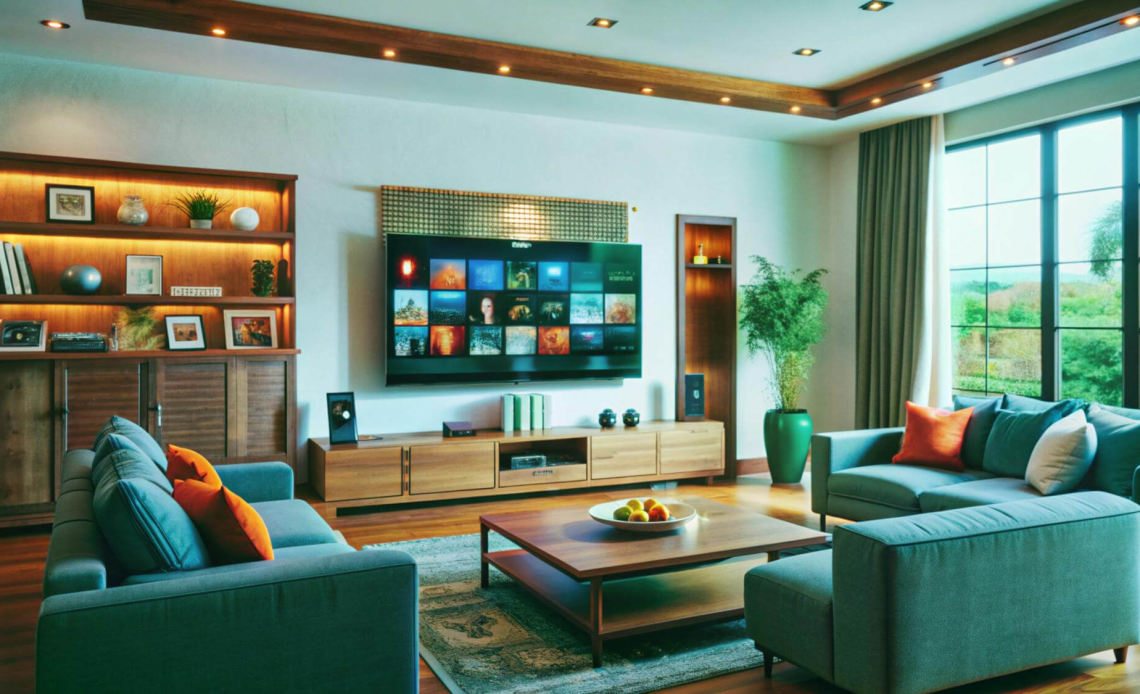
A living room feels calm when surfaces are clear and cables vanish from sight. The TV wall can either organize that calm or disrupt it. The best TV unit designs treat the screen as one element in a broader composition of storage, display, and light. Hidden storage turns this focal wall into a quiet powerhouse that manages remotes, gaming gear, speakers, chargers, and the tangle that usually collects around entertainment. With thoughtful planning, a TV unit can look refined while swallowing clutter and keeping daily routines smooth.
Why hidden storage around the TV matters
Screens attract attention even when they are off. If everything around the TV is messy, the entire room reads as chaotic. Hidden storage gives every small item a home. Wires route behind panels. Devices sit on ventilated shelves. Media and board games tuck out of sight but remain within reach. When you switch from a movie to music or from a video call to a quiet evening, the wall shifts roles without calling attention to itself. The result is a living room that feels light even during busy days.
Start with how you actually use the wall
Design should follow habit. List what you truly keep near the TV. This might include a set top box, a soundbar or receiver, a game console, headsets, chargers, a router, backup hard drives, spare batteries, candles for movie nights, and the odd magazine or two. Decide which items need frequent access and which can live deeper in the unit. This single exercise shapes the entire storage plan. Frequently used items sit in soft close drawers at a comfortable hand height. Rarely used items move to lofts or side cupboards. When usage drives placement, the unit stays organized without effort.
Floating consoles that keep the floor open
A floating console under the TV is the simplest way to introduce hidden storage while keeping the room visually light. Wall mounting leaves the floor clear for easy cleaning and free air flow from vents. A slim front with flip down or push open doors hides devices and cables. Inside, adjustable shelves let you tune the height for a soundbar or a gaming console. A cable raceway along the back keeps chargers from dropping through gaps. If you prefer a very minimal line, a single deep drawer with internal dividers can hold remotes and accessories without any visible handles. The floating form turns the TV wall into a calm horizontal line and makes even compact rooms feel larger.
Full wall compositions that anchor the room
In larger spaces a full height composition can frame the TV and provide serious storage. Tall units on either side act like bookends and hold everything that does not need to sit near the screen. The center zone stays simple with the display and a floating bench that doubles as a low media cabinet. Upper cabinets can run across the top as a slim band for seasonal items. To keep the composition from feeling heavy, vary depths. Let the tall units be slightly deeper than the upper band. Introduce shadow gaps so planes read clearly and light can play along edges. This balance of mass and air turns a big storage wall into a refined backdrop.
Sliding panels that reveal or conceal on demand
Sliding fronts are a powerful way to shift between entertainment and calm. Large panels glide to cover the screen when you want the room to feel like a library or a lounge. When open, the panels can stack over a quiet cladding zone so there is no sense of doors hanging in mid air. A second style uses smaller sliders to hide messy device niches or charging hubs while keeping the screen visible. Smooth tracks and soft closers are essential so operation feels gentle and precise. Finishes matter here. Panels finished in fabric, timber look, or matte lacquer create a warm surface that contrasts with the cool glass of a TV, adding texture even when the screen is off.
Pocket doors that disappear completely
Where space allows, pocket doors slide back into the carcass so the opening clears fully. This works beautifully for a central bay that hides a receiver, game console, or even a small bar. During movie time the doors vanish. During the day they close to deliver a calm plane. Pocket doors need careful detailing so the cavity size suits the door thickness and hardware. When executed well, they deliver the most seamless open close experience and keep edges safe from bumps.
Lift up fronts for compact rooms
Lift up doors on gas stays are perfect above a TV bench where side swing doors would hit seating. A single slim door can lift to reveal a row of chargers and headphones or a docking shelf for a tablet that controls lighting. Because the door moves upward, it does not intrude into the walkway. In small apartments, a rhythm of one or two lift ups paired with drawers below provides significant function in a shallow depth.
Drawers that work silently and sort items by habit
Drawers remain the most efficient hidden storage for small accessories. Deep drawers with full extension runners show their entire contents without kneeling. Add removable trays for remotes, cables, batteries, and memory cards. A shallow top drawer near the center becomes the everyday catchall, while deeper drawers on the sides hold game controllers and spare headphones. Soft close hardware keeps operation quiet during late night viewing. The calm click of a good runner is a subtle quality upgrade you feel every day.
Ventilation and cable management that protect devices
Hidden storage only works if devices can breathe. Hot electronics fail early and make noise as fans ramp up. Provide ventilation paths behind panels with discreet slots at the bottom and top so warm air rises naturally. Use mesh or perforated metal on the back of concealed bays where receivers or consoles sit. Cable management should be planned like a small roadmap. A vertical chase brings power and data into the unit. Horizontal routes loop behind shelves so devices can slide out for service. Label both ends of cables during installation. A small service hatch behind the TV allows access to ports without dismantling the wall.
Sound integration without visual noise
Audio quality shapes the home theater experience. If you use a soundbar, build a niche that positions it at ear height and keeps the front flush with the console face so sound is not trapped. For separate speakers, perforated fabric fronts or acoustically transparent panels let sound pass while hiding boxes. Subwoofers need breathing room. Place them on a decoupling mat inside a well ventilated base bay or just beside the unit to avoid rattles. If you prefer in wall speakers, align grills with other joints so the elevation stays clean. The goal is crisp sound with zero cable clutter.
Materials that look premium and wipe clean
TV walls endure daily touch and the occasional spill. Materials should be durable and calm. Matte laminates resist fingerprints and diffuse reflections. Wood look finishes add warmth and pair well with soft fabrics in the room. Painted panels in satin sheen can match the wall color and help the unit disappear. Stone or large format porcelain used sparingly behind the TV turns the screen into a framed object while remaining easy to clean. If you love texture, fluted panels or ribbed battens create gentle shadows that read rich without overpowering. Choose no more than two or three materials so the wall reads as one composed piece.
Colors that support the picture and the room
Dark panels behind a TV improve perceived contrast and reduce halo in dim rooms. Charcoal, deep taupe, or warm walnut tones work well. If the living room is bright and you prefer light walls, keep the immediate TV backdrop a few steps darker than the surrounding surfaces. This keeps the screen from floating on a bright field. Accent colors belong on hidden interiors rather than on the main facade. Opening a drawer to see a quiet color can be delightful without creating long term style commitments on the outside.
Open nooks balanced with closed storage
All hidden storage and no display can make a room feel flat. A few open nooks relieve the plane and offer a place for books, a small plant, or a sculpture. The trick is proportion. Keep open sections compact and asymmetrically placed so the eye moves comfortably across the wall. Use integrated lighting to gently graze these nooks from above. When the TV is off, these lit moments give the wall presence without demanding attention.
Integrated lighting that flatters surfaces
Light transforms materials at night. A soft backlight behind the TV reduces eye strain and adds a halo that feels cinematic. Warm LED strips under the floating bench create a hovering effect and make cleaning easy. Tiny downlights inside open niches bring focus to display items. Keep color temperature consistent so whites match across strips and spots. Use dimmers so brightness can settle low during movies. Conceal drivers and provide access for replacement. Thoughtful lighting is one of the fastest ways to make a TV wall feel premium.
Safety, load bearing, and service access
Screens are heavy and mounts must be anchored into structure, not just into decorative panels. Confirm stud or wall type before finalizing design. Use rated brackets and lock them to a backing board inside the unit so weight transfers cleanly. Provide at least one removable panel near the mount for service. Hinged access doors with magnetic catches make maintenance painless. If you have children or pets, plan for rounded corners on protruding benches and use tip resistant fastenings on tall side units.
Multi use TV walls that combine work and display
In small homes the TV wall often shares functions. A fold down desk can hide within a bay, ready for quick emails or homework. A shallow charging drawer with built in USB and outlets can gather phones and tablets at night to keep bedrooms tech free. A concealed pin board or whiteboard slides out for planning and tucks away afterward. When these features close, the wall returns to a serene backdrop with no hint of multitasking.
Small living rooms that need big storage
Compact rooms benefit from vertical thinking. Run tall cupboards up to the ceiling on one side of the TV while keeping the center light. Add a slim loft above the screen to store seasonal decor and board games. Use the space behind a wall length fabric panel as a continuous shallow closet for books and media. Even two extra inches of depth can hold a surprising amount when organized with shelves and bins. The visual language remains minimal because doors align and hardware is integrated.
Open plan spaces that need quiet zones
In open plan layouts the TV unit is visible from dining and kitchen zones. A calm front with hidden storage becomes a social courtesy because mess stays contained. Consider splitting the wall into two faces. One holds the screen and floating console. The other, turned slightly or around a corner, holds a tall pantry of living room items such as table linens, candles, chargers, and a small vacuum. The TV area remains elegant while the adjacent tall storage absorbs the real life things that otherwise float around an open plan.
Styling that respects the screen without competing
When you decorate a TV wall, restraint keeps the screen from being visually busy. A low stack of books, a small sculpture, or a single plant is often enough on the bench. On adjacent shelves limit the number of objects and group by tone and material so the eye reads calm families rather than a mix of unrelated shapes. Art can sit near the TV, but keep frames simple and align edges with cabinet joints. The screen should feel part of a composition, not an object stranded among many louder elements.
Acoustic comfort around the unit
Hard surfaces reflect sound and can make a lively room feel echoey. A rug, upholstered seating, and soft curtains nearby moderate reflections so dialogue sounds clearer at normal volumes. If the TV wall uses hard materials like stone or lacquer, balance them with fabric panels in adjacent zones. Hidden storage can also double as acoustic treatment by placing absorptive lining inside tall cabinets where it will not be seen but will still dampen the room.
Power planning and smart control
Modern living rooms benefit from a small hub inside the TV unit that gathers power and network gear. Place a power strip with surge protection on a fixed shelf and label sockets for clarity. If you use smart plugs or a media hub, keep it accessible behind a perforated door so signals pass. Provide one spare conduit for future cables. Pre wire for possible upgrades like a projector drop or additional speakers. A little foresight prevents messy add ons later.
Finishing details that elevate the whole
Details announce quality. Align door gaps consistently. Keep handles minimal or use routed finger pulls for a clean face. Use soft felt or rubber buffers so doors land quietly. Match grain direction across panels for a tailored feel. Paint the inner edges of cable cutouts so raw board never peeks through. These small touches are invisible on their own but together they create a unit that feels crafted rather than assembled.
Cleaning and maintenance that fit daily life
Hidden storage reduces surface cleaning, but weekly care keeps everything feeling new. Wipe fronts with a soft cloth and mild cleaner suited to the finish. Vacuum ventilation slots gently. Slide out devices once in a while to dust behind them. Coil long cables with Velcro ties to prevent loops from catching in drawers. Replace remote batteries in pairs and keep spares in a labeled tray so you never scramble during a movie. Simple routines preserve the quiet elegance you worked to design.
A step by step plan to design your TV unit
Begin by measuring the wall, ceiling height, and distances to doors and windows. Choose the screen size and mount height so the center aligns roughly with seated eye level. List everything that needs a home in the unit and sort by access frequency. Sketch a layout that places daily items in drawers near hand height and rare items in upper bays. Decide on ventilation routes and cable chases. Choose a restrained palette of two main materials and one accent. Plan lighting with a backlight for the screen, a glow under a floating bench, and gentle nooks. Confirm structure for mounting and mark stud lines. Build a small mockup of one corner to test gaps and handle feel. Install with care, label cables, and set dimmer levels for evenings. When the unit closes, the room should feel calm. When it opens, everything you need should be exactly where your hand expects.
The quiet reward of a TV wall that hides the mess
A thoughtful TV unit does more than hold a screen. It becomes a calming anchor for the living room, a quiet organizer that keeps daily life in order. Hidden storage means fewer visible objects, fewer cables, and fewer moments of distraction. Materials feel warm, lights glow softly, and the screen sits in a composed frame. Whether your room is compact or generous, the right design can deliver that sense of ease. You press play, the sound opens, and nothing around the picture competes for attention. That is the gift of a TV wall created for real life, where the beauty you see is supported by storage you do not.
