
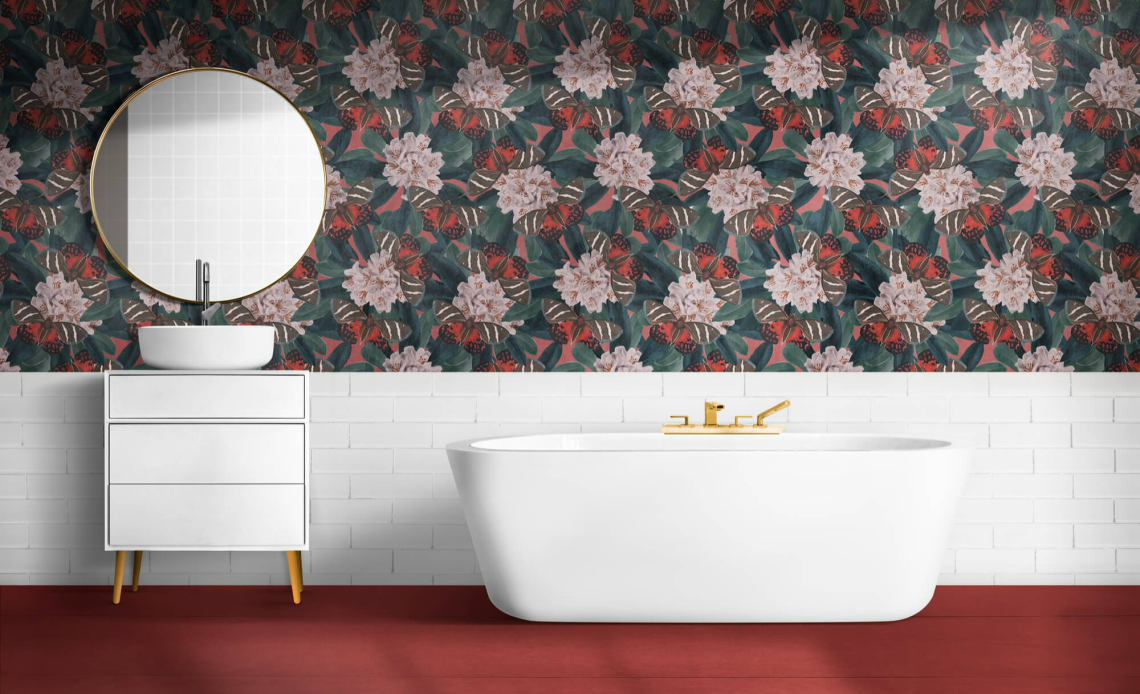
Bathrooms are no longer treated as purely functional spaces. In modern homes, they are small sanctuaries of relaxation, reflection, and everyday comfort. Tiles play the most important role in setting the tone for this space because they define not only how the bathroom looks but also how easy it is to clean and maintain. As design ideas evolve, tiles in 2025 are becoming smarter, more sustainable, and more expressive, offering a balance between aesthetics and practicality. Whether your bathroom is compact or spacious, the right tile choice can make it feel larger, brighter, and far more luxurious.
Why tiles remain the material of choice for bathrooms
Tiles dominate bathroom finishes because they are resistant to moisture, relatively easy to maintain, and versatile in design. They come in endless patterns, colors, and textures, making them suitable for any style, from minimalist to ornate. Their durability also means that once installed, they last for years without demanding constant attention. While alternatives such as paint, vinyl, and natural stone exist, tiles continue to be preferred in 2025 because new technology has made them even more adaptable, sustainable, and stylish.
Larger formats for seamless looks
One of the strongest trends in 2025 is the use of large format tiles. These oversized slabs reduce grout lines, creating a sleek and expansive feel even in smaller bathrooms. Tiles as large as four by eight feet are now common, and manufacturers are introducing even larger porcelain sheets that can be installed on walls and floors. Fewer joints mean less visual clutter and easier cleaning, which is especially valuable in wet zones such as showers. With improved digital printing and cutting technology, these big tiles can replicate natural stone or concrete with incredible realism, giving bathrooms a sophisticated look without the maintenance issues of natural materials.
Matte finishes for calm and safety
Glossy tiles have long been popular, but matte finishes are taking center stage in 2025. Matte surfaces absorb rather than reflect light, creating a calm, spa-like atmosphere. They also reduce the risk of slipping, especially when combined with anti-slip textures designed for wet floors. Advances in surface treatments ensure that matte tiles no longer trap stains as easily as older versions did. They clean well while maintaining their subdued, modern character. For walls, matte tiles soften light and reduce glare, making the bathroom feel soothing at any time of day.
Nature inspired colors and textures
Color palettes are moving away from stark white to warmer, earthier tones inspired by nature. Shades of sand, clay, moss, and stone dominate collections, bringing a sense of grounding and connection to the outdoors. Neutral tones such as greige and taupe remain popular, but they are now paired with richer accents such as deep terracotta or muted olive. Textured finishes that mimic raw stone, wood grain, or even fabric patterns create depth and warmth. These surfaces offer the tactile quality that many homeowners are craving, turning the bathroom into a more personal and sensory space.
The rise of terrazzo
Terrazzo, with its playful speckled patterns, is continuing its resurgence into 2025. Modern terrazzo tiles use recycled chips of marble, glass, or quartz embedded in a cement or resin base, making them sustainable as well as stylish. They bring character to floors and walls without overwhelming the room. Small specks read subtle and elegant, while larger chips create bold statements. Terrazzo pairs beautifully with neutral walls and matte fixtures, offering a touch of artistic personality in an otherwise calm bathroom. Because terrazzo tiles are sealed and factory finished, they are also far easier to maintain than traditional poured terrazzo.
Textured 3D wall tiles
Flat walls are giving way to surfaces that interact with light. Three dimensional tiles with grooves, waves, and sculptural patterns are increasingly popular for feature walls, especially behind vanities or in shower enclosures. These tiles add depth and create a play of shadows that changes throughout the day. Advances in manufacturing allow precise detailing, so patterns feel crisp rather than bulky. When combined with soft lighting, textured wall tiles create a luxurious spa-like effect that elevates even the smallest bathroom.
Sustainable and eco-friendly materials
Sustainability is shaping every aspect of design, and tiles are no exception. In 2025, many manufacturers are offering tiles made with recycled content, low emission glazes, and energy efficient production processes. Some lines incorporate upcycled industrial byproducts like glass or stone chips. Beyond production, durability is a form of sustainability too. Tiles that last decades reduce replacement cycles and waste. Homeowners are increasingly looking for eco certifications and transparency about sourcing when selecting tiles, reflecting a shift toward responsible design that still looks premium.
Creative use of grout for design
Grout is no longer just a technical necessity. Designers are treating it as a stylistic element in 2025. Contrasting grout colors highlight tile shapes, making patterns pop, while tone on tone grout creates a seamless look. Metallic or colored grout lines can transform simple subway tiles into eye catching features. Improved grout technology also means better stain resistance and mold prevention, which keeps the bathroom looking fresh for longer. This shift turns what was once an invisible detail into a part of the overall design palette.
Statement floors with bold patterns
While walls often stay neutral and calm, bathroom floors in 2025 are becoming canvases for expression. Bold geometric patterns, Moroccan inspired motifs, and oversized herringbone layouts are all trending. Patterned floor tiles add personality without overwhelming the room because they remain grounded underfoot. Paired with simple wall treatments, they can turn a small bathroom into a design highlight. Digital printing allows even intricate designs to be produced with precision, opening the door to custom looks that once required expensive handcrafted tiles.
Metallic and high gloss accents in moderation
While matte dominates most surfaces, metallic and high gloss tiles are being used strategically as accents. A band of metallic mosaic behind a mirror, a glossy vertical stripe in a shower, or a shimmering tile around a niche adds sparkle and luxury without overwhelming the space. These accents work best in small quantities, paired with more restrained finishes. They catch the eye, reflect light, and create a sense of crafted detail that feels premium when applied thoughtfully.
Wood look tiles for warmth and continuity
Wood continues to inspire tile design, offering a natural warmth that softens hard bathroom surfaces. In 2025, wood look porcelain tiles are more realistic than ever, with grain patterns, knots, and even subtle texture that mimics timber. These tiles give the comfort of wood without its vulnerability to water. They are especially popular for floors, but can also climb walls to create a seamless spa like feel. By extending the same tile from floor to shower wall, you can create continuity that makes a bathroom appear larger and calmer.
Vertical layouts for modern impact
Tile layout itself is becoming a design tool. While horizontal layouts remain common, vertical installations are gaining popularity in 2025. Vertically stacked tiles elongate walls and make ceilings feel higher, an especially valuable trick in small bathrooms. Skinny rectangular tiles installed vertically can create a sense of rhythm and elegance. Combined with tone on tone grout, the effect is subtle yet striking, proving that even familiar tile shapes can feel fresh with a new orientation.
Smart tiles with advanced coatings
Technology is entering the tile world in subtle but useful ways. Some modern tiles now come with hydrophobic coatings that repel water and reduce stains. Others include antibacterial finishes that keep surfaces more hygienic in damp bathrooms. These coatings extend the life of tiles and make cleaning easier. As health and convenience continue to shape home design, smart surfaces like these are set to become mainstream rather than luxury extras.
Mixing tile sizes for layered depth
Uniform grids are giving way to compositions that mix different tile sizes. Large tiles on the floor combined with smaller mosaics in niches or shower floors create depth and visual interest. Mixing scales helps balance spaces: larger tiles make a room feel expansive, while smaller ones provide detail and grip where needed. The key in 2025 is restraint. Designers mix two or three scales within one palette rather than many, creating a layered but coherent look.
Colors that add subtle mood
Beyond neutrals, muted blues, soft greens, and blush tones are adding mood to bathrooms without overwhelming them. These colors are gentle enough to feel timeless yet distinctive enough to stand apart from plain grey or beige. Used on a single wall, in a strip of accent tiles, or even on the floor, they bring calm energy to the bathroom. Because they are desaturated, they pair well with white fixtures and natural materials, keeping the look balanced and easy to live with.
Tiles as furniture finishes
In 2025, tiles are extending beyond floors and walls. Many homeowners and designers are cladding vanity counters, sink aprons, and even storage niches with tiles. This creates a sense of continuity and durability, as tiled surfaces handle water and wear better than many laminates or veneers. By wrapping furniture elements in the same tile as the wall or floor, the bathroom feels integrated and visually larger.
Practical tips for choosing bathroom tiles
While trends inspire, practical choices determine long term satisfaction. Slip resistance is essential for floors, especially in wet zones. Low maintenance finishes make daily cleaning lighter. Neutral bases allow you to change accessories and towels over time without retiling. Always request samples and test them under the actual light of your bathroom, since artificial and natural lighting can change the way colors appear. Planning transitions between floor and wall materials carefully ensures the room feels calm and cohesive rather than patched together.
Maintenance and longevity
Tiles are durable, but their longevity depends on proper care. Clean regularly with mild solutions rather than harsh chemicals that erode glazes. Keep grout sealed where necessary to prevent staining. Avoid dragging sharp objects across tiled floors to protect edges. When chosen well and maintained properly, bathroom tiles can last for decades, making them both a design statement and a sound investment.
The future direction of bathroom tiles
Looking beyond 2025, tiles will continue to evolve with technology and sustainability in mind. Expect even larger formats, lighter yet stronger materials, and more eco friendly production processes. Personalization will expand too, with digital printing allowing homeowners to order unique designs. What remains constant is the role of tiles in transforming bathrooms into havens of calm, beauty, and practicality.
The calm reward of a well tiled bathroom
A bathroom tiled with care feels fresh, clean, and timeless. Each surface works to protect against moisture while offering visual comfort. The right choices reduce daily maintenance and extend the life of the space. Trends in 2025 are not only about looks; they are about creating calm, durable, and sustainable interiors. Whether you embrace large format stone look slabs, soft matte finishes, or playful terrazzo, the goal is the same: to build a bathroom that feels like a retreat every day.
