
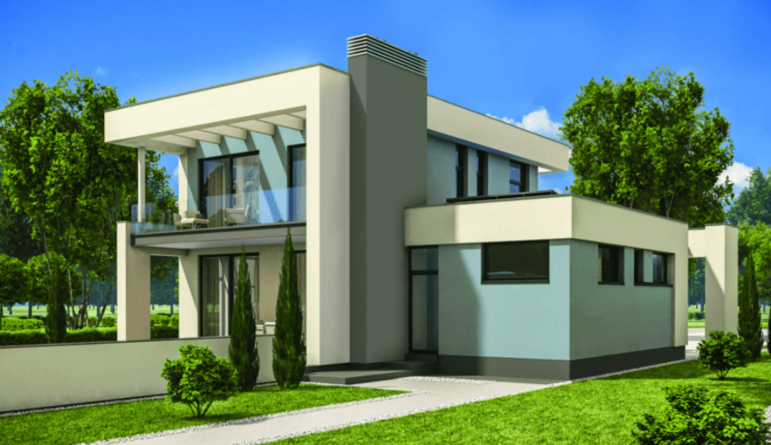
Why exterior color choices matter more than you think
Choosing an exterior color is not only about curb appeal. It affects heat gain, maintenance cycles, the way daylight reads on the facade, and even how large or compact your home appears from the street. The right color works with your roof tone, hardscape, and planting to create a balanced first impression. It also partners with the right finish and system of primers and top coats so the facade resists moisture, sun, and dirt. When a home is painted with care, it looks crisp in bright sun and calm on overcast days. Lines feel sharper. Materials feel intentional. Neighbors notice the harmony even if they cannot explain why. This is the quiet power of a well chosen exterior palette.
Understanding how light changes color outdoors
Sunlight outdoors is stronger and more variable than interior light. A color that looks restrained inside can appear several steps brighter on a large facade. This is because exterior light washes surfaces evenly and the eye compares the wall to the sky rather than to furniture. Morning light reads cooler with hints of blue. Afternoon light reads warmer with soft gold. Overcast days flatten contrast and push colors toward grey. A sample that feels perfect at noon can feel loud at sunset if it is too saturated. To avoid surprises, always test large patches on sun and shade sides of the home and observe them at different times of day. A good rule is to step down one notch in saturation for the main body of the house and reserve stronger notes for trims or doors.
Neutral bases that work anywhere
A calm base does most of the visual work in any exterior scheme. Pale warm greys, soft beiges, and gentle stone tones anchor a facade without stealing attention from windows, balconies, or landscape. These colors mask dust better than stark white yet keep the home bright. Cooler greys can look elegant with metal and glass, while warmer neutrals flatter brick, timber, and natural stone. If your roof is dark, a lighter wall color lightens the silhouette and keeps the composition from feeling top heavy. If your roof is light, a mid tone wall grounds the mass so the house does not dissolve into the sky. Neutrals also extend repaint intervals because fading is less visible than on saturated hues.
Off white done right
Pure white can be dazzling outdoors and may highlight every speck of dust. Off whites soften glare while preserving crispness. A warm off white looks inviting against greenery and works well for porches and columned fronts. A cooler off white pairs with black or charcoal windows for a clean modern graphic. The key is to coordinate with trim so edges look deliberate. If you use off white for the main body, keep trims slightly deeper rather than lighter, which prevents the facade from feeling washed out in strong sun.
Earth tones for warmth and depth
Earthy palettes feel grounded and timeless. Think of clay, sand, and weathered wood. These hues make a building feel settled in its landscape, especially where there is natural stone, gravel paths, or drought friendly planting. Earth tones handle dust and light rain streaks gracefully because minor discolorations blend into the base. They also hide hairline cracks better than high contrast colors. To avoid a dull finish, introduce tonal shifts. The main body can be a mid tone earth, with a slightly darker base course near the ground and a lighter tone under roof eaves. This quiet modulation adds depth without shouting.
Cool coastal inspired palettes without location bias
You do not need to live near the sea to enjoy calm coastal vibes. Soft greys with a hint of blue and gentle misty greens evoke freshness and open skies. These colors look especially good with white or light grey trims and natural timber accents. They feel crisp on clear days and relaxing on cloudy ones. The trick is restraint. Keep the main body muted and use the cleanest whites only for small highlights like railings or window muntins. If you want a deeper blue, confine it to doors or shutters so maintenance remains simple.
Modern monochrome that still feels friendly
Black, charcoal, and deep graphite have become popular for contemporary exteriors. Used well, they sharpen lines and make glazing look larger. They pair beautifully with light stone, warm timber, and simple landscaping. The risk is heat gain and visible dust. To keep the look friendly rather than severe, soften the darkness with a mid tone companion on secondary masses or with a textured render that catches light. A pale soffit or fascia above a dark wall creates a gentle transition to the sky and keeps the mass from feeling heavy.
Nature inspired greens that blend with planting
Green exteriors can vanish into foliage in the best possible way. Mid greens with grey undertones feel sophisticated and do not read as overly bright in strong sun. Olive toned paints look refined next to bronze hardware and natural wood. Sage toned paints suit cottages and townhouses that want a softer mood. Since greens shift strongly under changing daylight, sample generously and view from across the street. Keep trim neutral rather than white so the whole reads natural and layered.
Warm accents that welcome guests
A front door or a small panel in a warm saturated color can turn a calm exterior into a memorable one. Terracotta, burnt sienna, and softened coral invite the eye and set a welcoming tone. Mustard and ochre lift a grey facade without clashing. Deep burgundy reads classic when paired with light stone. These accents work best in small doses. Too much saturation on the main body can shorten the time between repaints because fade is more obvious. By keeping bright color on doors, shutters, or planter boxes, you enjoy personality without a heavy maintenance commitment.
Coordinating with fixed elements you cannot change
Many exterior decisions are set before paint. Roof tiles or sheets, window frames, railings, and paving anchor the palette. Start by listing the tones you already have. If the roof is a strong red, a neutral wall is usually the calmer companion. If the frames are black, both warm and cool neutrals can work as long as they do not fight the undertone. Natural stone has complex color shifts, so sample near the stone rather than on an unrelated wall. Treat the largest fixed element as the primary partner and let paint support rather than compete.
Finish choices that influence durability and look
Finish is as important as color. Smooth low sheen finishes hide fewer surface imperfections but look crisp and contemporary. Eggshell and satin finishes strike a balance by offering mild sheen that resists dirt and allows easier cleaning. High gloss is best kept for trims and metalwork where you want highlights and easier wipe downs. Textured finishes can mask uneven render and add depth, but they are harder to clean if the texture is very coarse. On large unshaded walls, low sheen reduces glare and makes photographs of the home look more balanced.
Building a system that resists weather
An exterior paint job is a layered system. Surface preparation removes loose material and opens pores for adhesion. Crack repairs and sealants block water paths. A quality exterior primer locks down dust and evens porosity so top coats cure properly. The top coat should be rated for UV resistance, moisture resistance, and breathability so walls can release vapor without blistering. In regions with high rainfall or frequent fog, elastomeric or flexible coatings over hairline prone areas can reduce water ingress. In dry, high sun regions, UV stable pigments and resins prevent chalking and noticeable fade. Talk to your contractor about the entire system, not only the final shade.
Color strategies for sunny, arid conditions
Heat control and fade resistance matter where sunlight is intense. Light to mid tones reflect more heat and keep wall temperatures lower. Warm off whites, pale stone, and sandy beiges perform well across seasons. Saturated reds and bright blues can fade faster, so keep them as accents if you love them. Glossy or satin trims around windows can resist dust better than deep matte in these environments. Planting and pergolas reduce direct wall exposure, allowing slightly deeper tones without overheating. Where glare is extreme, a softly greige body color reduces eye strain while staying bright.
Color strategies for cloudy or rainy regions
Overcast skies mute color and lower contrast on facades. Slightly warmer and slightly deeper tones keep a home lively without looking heavy. Think of oat, mushroom, and café au lait rather than stark white. Mid tone greys with warm undertones look composed against wet stone and asphalt. Richer trims read clearly in the rain and help details stand out in low contrast light. In areas with frequent rain splash, a darker base band near the ground hides marks between washes. Mold and mildew resistant formulations reduce green streaking on shaded walls.
Color strategies for humid tropical climates
High humidity and strong sun together challenge exterior coatings. Colors that are too dark can show efflorescence and salt streaks more visibly, while very light colors can show dust lines after heavy showers. Balanced mid lights work well. Pale taupe, flax, and clay grey keep homes cool and forgiving. Avoid finishes that trap moisture within the render. Breathable paints allow vapor to pass while shedding liquid water. Strategic overhangs above windows protect walls from direct downpours and let you choose slightly richer shades without maintenance penalties.
Color strategies for cold and snowy regions
Snow reflects a lot of light and can make pale houses disappear into winter landscapes. Mid tones provide visual weight and remain legible against snow. Deep graphite and charcoal look dramatic but show salt stains more clearly near the ground, so a lighter base band can help. Warm mid tone greys and muted greens feel cozy against winter trees. Trim in off white or creamy ivory keeps edges crisp without dazzling in bright snow glare. When spring arrives, these tones continue to look balanced under clear skies.
Choosing trim and accent relationships
Trim is the punctuation of a facade. It outlines windows, frames doors, and defines roof edges. A classic approach is to keep trims lighter than the wall so edges pop. A modern approach flips the contrast, making trims darker and letting the wall stay light. Both are valid. What matters is consistency across the elevation. If you combine a dark window frame with a dark fascia and a light wall, the rhythm reads intentional. If every opening has a different rule, the facade looks noisy. For accent items like doors, shutters, planter brackets, and address numbers, repeat one accent color in two or three locations so it feels woven into the composition.
Working with texture and material contrasts
Painted render sits alongside brick, stone, timber, and metal. Color should respect material character. With rough stone, a smoother painted wall in a quiet neutral lets texture take the lead. With charred or stained timber, a warm off white or a calm mid grey creates balance. With weathered metal, earthy tones soften the industrial feel. If you want a bolder look, choose a split that highlights massing. The main box can be light, while a projecting bay becomes a deeper companion tone. Keep junctions clean where materials meet so lines remain crisp over time.
Sampling like a pro before you commit
Small swatches mislead outdoors. Paint at least one square meter in each candidate color on different sides of the home. View from the sidewalk and from windows across the yard. Live with the samples for several days. Notice which sample supports the roof and frames best. Notice which sample hides dust after a windy day. Take photos at morning, noon, and sunset. The color that wins under all conditions will keep winning after you repaint the rest of the facade.
Practical maintenance that extends color life
Exterior paint ages with weather. A gentle wash every few months removes grime that can lock in moisture. Trims and downpipes should be checked for leaks so streaks do not form. Plants that brush against walls can mark paint, so prune lightly to maintain air gaps. If a wall faces a busy street, a low pressure rinse helps more than scrubbing. Touch up small chips early so water does not invade the substrate. With good materials and moderate care, a calm neutral facade can hold its look for years before a full repaint is needed.
Creating a palette that suits your architecture
Color should amplify the strengths of your architecture. A contemporary box with large openings often looks best with a restrained palette and higher contrast between wall and window. A cottage or farmhouse shape can handle softer transitions and layered warm tones. A townhouse with rhythmic bays benefits from a body color that unifies masses and a trim color that outlines repeating elements. If you have a complex elevation, reduce the number of colors to two or three, then use light and shadow to add richness rather than extra hues.
A step by step plan that keeps decisions simple
Begin by photographing your home from the street and from the garden. Desaturate one image to black and white. This reveals where mass and contrast sit independent of color. Decide whether you want the home to feel lighter, darker, or about the same. List fixed elements and their tones. Shortlist three base colors that support those tones. Choose one trim strategy, either lighter or darker than the wall, and stick with it across all openings. Add one accent color for the door or shutters. Sample on large patches on two elevations. View across different times of day and weather. Make your choice, then discuss primer, top coat, and finish with your contractor so the system suits local weather patterns and the wall substrate. Plan maintenance points like hose bibs and downpipe lengths so water does not stain fresh paint. When the plan looks clear, proceed with confidence.
The calm confidence of a well painted facade
The most successful exteriors are not always the loudest. They are the ones that look composed in full sun, steady during rain, and quietly warm under evening light. They let the eyes rest on details like a porch light or a framed window while the mass of the house sits calm in the background. With the right palette, finish, and system, your home can hold that mood through seasons without constant fuss. The goal is not just a fresh color. The goal is a durable, breathable, and beautiful skin that respects light, materials, and the landscape. When that comes together, the house feels complete before a guest even steps through the door.
