
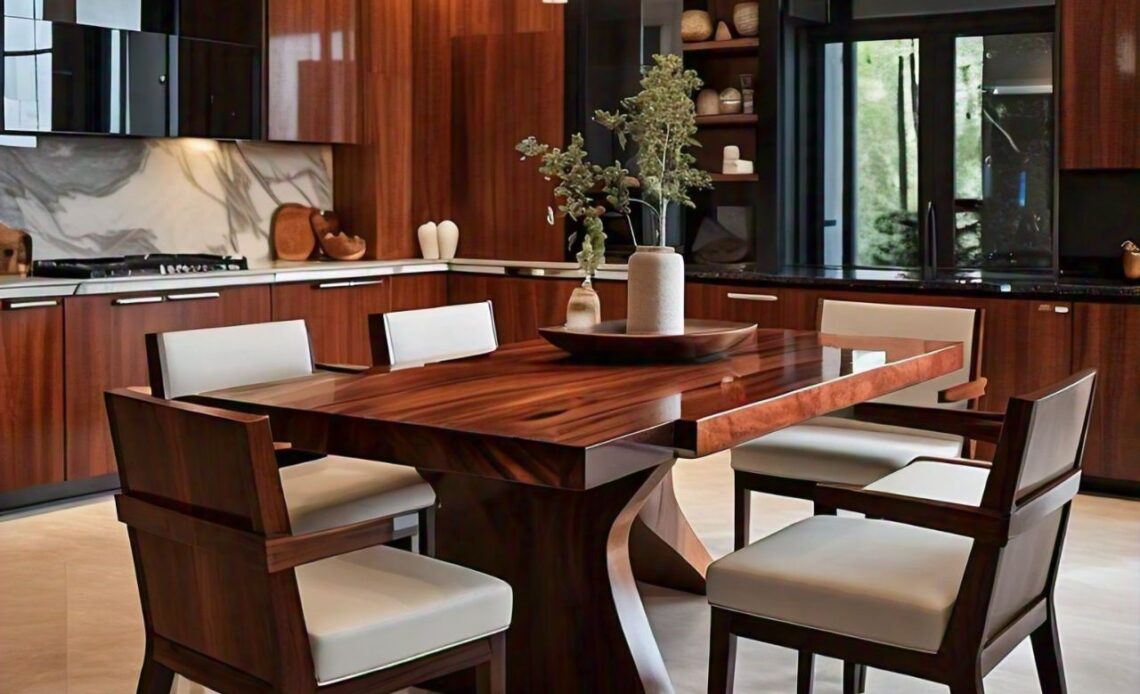
There’s something undeniably captivating about mahogany. Its deep, rich hues and fine grain exude elegance, making it a favorite for centuries in furniture, décor, and craftsmanship. Every piece of mahogany tells a story, blending natural beauty with a sense of timeless sophistication that never goes out of style.
When I think of mahogany, I’m reminded of its unmatched durability and versatility. It’s not just about its luxurious appearance—it’s about how it transforms spaces and objects into works of art. Whether it’s a handcrafted table or an intricately carved door, mahogany adds warmth and character that’s hard to replicate.
What Is Mahogany?
Mahogany is a luxurious hardwood known for its rich reddish-brown tones and intricate grain patterns. Its strength and timeless beauty have made it a favorite for fine furniture and decorative applications.
Understanding This Luxurious Wood
Mahogany boasts a straight, fine grain that distinguishes it from other hardwoods. With a natural resistance to decay and pests, it is both durable and long-lasting. The smooth texture allows for excellent finishes, accentuating its warmth and depth. When polished, mahogany exhibits a deep, glossy surface that elevates its aesthetic appeal in any setting.
Common Types of Mahogany
Mahogany has three primary types commonly used in crafting and design:
- Honduran Mahogany (Swietenia macrophylla): Known for its consistent color and workability, this species is a staple in high-end furniture.
- African Mahogany (Khaya spp.): Frequently used for cabinetry, this type offers lighter tones and varied grains.
- Cuban Mahogany (Swietenia mahagoni): Valued for its fine texture and historical use, this variety is rare due to overharvesting.
Origins and Historical Significance
Mahogany originated in tropical regions, particularly in Central and South America and parts of Africa. Its use dates back centuries, playing a central role in 18th and 19th-century European interior design. Iconic pieces like Chippendale chairs and Victorian-era furnishings owe much of their character to this wood. Mahogany became a symbol of wealth and sophistication, its presence elevating the status of any space.
Characteristics That Highlight the Timeless Beauty of Mahogany
Mahogany stands out for its distinct features that embody elegance and durability. Its remarkable traits ensure it remains a staple in furniture and décor across generations.
Rich Color and Unique Grain Patterns
Mahogany showcases a deep reddish-brown hue that darkens gracefully with time, adding a refined touch. Its straight, fine grain often features faint ripples or interlocking patterns, offering visual depth and uniqueness. For example, the subtle shimmer seen in polished mahogany furniture enhances its luxurious appeal.
Durability and Longevity
Known for its exceptional hardness, mahogany resists warping and cracking over decades. The wood’s natural oils protect it from moisture, pests, and decay, ensuring it withstands various climates. For instance, antique mahogany cabinets from the 18th century still perform functionally while retaining their beauty.
Workability and Versatility
The smooth texture of mahogany accepts carving and finishing techniques effortlessly, making it a craftsman’s favorite. Its pliability allows detailed designs, from ornate chairs to sleek modern tables. Additionally, it complements finishes like varnish, stain, or polish, enhancing its timeless character.
Uses of Mahogany in Design and Construction
Mahogany’s versatility and beauty make it a preferred material in various design and construction applications. Its durability, fine grain, and rich tones enhance both functionality and aesthetics.
Furniture Making
Mahogany remains a top choice for crafting high-quality furniture. Its strength and fine texture support intricate detailing in items such as dining tables, chairs, and dressers. This wood’s minimal shrinkage ensures structural integrity over time. Craftsmen often highlight mahogany’s deep tones with polished finishes, emphasizing its timeless appeal.
Interior Décor and Cabinetry
Mahogany elevates interior spaces with warmth and sophistication. It is commonly used in paneling, crown moldings, and decorative trims due to its smooth surface and striking grain patterns. In cabinetry, its durability and resistance to warping make it ideal for kitchen or bathroom installations. The wood’s reddish hues complement various design styles, adding elegance to modern and traditional interiors.
Musical Instruments
Mahogany’s density and sound-transmitting qualities enhance musical instrument production. It is frequently used in manufacturing guitars, violins, and pianos. Solid mahogany bodies in guitars provide balanced tone and resonance, making it a preferred choice for acoustic models. Its workability supports precise craftsmanship, improving instrument quality.
Boat Building
Mahogany’s natural resistance to rot and moisture makes it a reliable material for boat building. It is commonly applied in constructing hulls, decks, and trim work. The wood’s stability under varying conditions ensures lasting performance, while its aesthetic qualities add luxury to marine vessels.
How to Maintain Mahogany’s Timeless Beauty
Preserving the elegance of mahogany requires consistent care. Proper maintenance ensures its rich color and exquisite grain remain stunning for generations.
Materials Needed for Maintenance
- Soft lint-free cloths for dusting and cleaning
- Mild wood cleaner for routine upkeep
- High-quality furniture polish containing natural oils
- Fine-grade sandpaper for light surface refinishing
- Protective wax or oil-based finish for sealing
Having these materials makes regular care and preservation efforts more effective.
Regular Cleaning Techniques
Dust mahogany surfaces using a soft lint-free cloth to prevent scratches. For deeper cleaning, apply a mild wood cleaner with a damp cloth and immediately dry using a clean, dry towel. Avoid excessive moisture, as it damages the finish and encourages warping. Cleaning weekly minimizes buildup and maintains the wood’s sheen.
Polishing and Finishing Tips
Polish mahogany furniture every three months using a high-quality furniture polish containing natural oils. Apply the polish with a soft cloth, following the wood’s grain for even distribution. Buff gently for a smooth and radiant surface. Reapply protective finishes sparingly—renewing finishes as needed prevents over-layering and ensures a fresh appearance.
Protecting It From Damage
Keep mahogany away from direct sunlight to avoid fading and discoloration. Use felt pads under decorative items or furniture to prevent surface scratches. Avoid placing hot objects directly on the wood, as heat causes permanent marks. Get a dehumidifier if keeping mahogany in humid environments to resist warping. Using protective measures safeguards the wood from damage.
Styling with Mahogany
Mahogany’s rich tones and refined grain pattern elevate the aesthetics of any space. Integrating this timeless wood into your décor creates an ambiance of warmth and sophistication.
Matching Mahogany with Other Décor
Pairing mahogany with complementary materials enhances its beauty. Light-neutral tones like beige, cream, and off-white balance its depth, while metallic finishes such as brass or gold add touches of luxury. For a bolder statement, pair mahogany with jewel tones like emerald or sapphire to create striking contrasts. Textures such as soft velvet upholstery or natural fibers like jute amplify the richness of mahogany furniture, adding dimension to the space.
Creating a Cohesive Aesthetic
Unifying your space with mahogany involves thoughtful planning. Select pieces that echo similar grain patterns and finishes to maintain harmony. Incorporate accent items, such as mirrors with mahogany frames or wall-mounted shelves, that tie in with larger pieces of furniture. Use repetition in smaller décor elements—like candle holders or photo frames—to weave mahogany subtly throughout the space. Introducing greenery in terracotta or muted ceramic planters balances the warmth of the wood with refreshing vibrancy.
Modern Vs. Traditional Styles
Mahogany adapts seamlessly to both modern and traditional designs. For traditional styles, choose ornate pieces with intricate carvings and detailed finishes to emphasize its heritage appeal. Incorporating classic items like grand dining tables and decorative armoires evokes timeless elegance. In modern settings, opt for streamlined furniture with clean lines and minimal adornments. Pairing mahogany with glass, steel, or monochromatic palettes introduces a contemporary flair while preserving the wood’s natural allure.
Common Issues With Mahogany and Solutions
Although mahogany is celebrated for its beauty and durability, it can encounter some challenges over time. By addressing these concerns effectively, I maintain the enduring elegance of this cherished hardwood.
Fading Over Time
Mahogany wood often darkens or loses vibrancy due to prolonged sunlight exposure. I minimize fading by placing furniture away from direct sunlight and using UV-protective window films or curtains. Applying a high-quality wood polish with UV inhibitors provides an additional layer of protection. For faded areas, I use professional-grade wood restoration products to revive the color.
Addressing Scratches and Dents
Scratches and dents occasionally occur, even on sturdy mahogany surfaces. To address minor scratches, I apply a matching wood touch-up marker or wax filler stick. For deeper dents, I use a steaming technique by placing a damp cloth over the dented area and running a hot iron on top for a few seconds to lift the wood fibers. I always refinish the surface with a compatible wood polish to maintain uniformity.
Preventing Moisture Damage
Mahogany’s durability includes moderate resistance to moisture, but prolonged exposure leads to damage like swelling or staining. I ensure proper maintenance by wiping away spills immediately with a soft, dry cloth. Adding furniture coasters or placemats prevents standing moisture from damaging the wood. For persistent issues in humid environments, I use a dehumidifier and periodically apply a wood sealant to enhance moisture resistance.
Tips for Buying Mahogany
Choosing mahogany involves careful consideration to ensure authenticity, quality, and sustainability. I rely on specific guidelines to make informed purchases.
How to Identify Genuine Mahogany
Identifying genuine mahogany requires assessing its physical characteristics. Authentic mahogany typically features a straight, fine grain and rich reddish-brown hues that deepen over time. I examine the wood surface under natural light for its subtle patterns, avoiding materials with overly uniform or artificial-looking grains. Genuine mahogany feels dense and smooth to the touch, distinguishing it from lighter substitutes.
When available, I request certification, such as a CITES permit, to verify the wood’s authenticity. This documentation confirms the species, particularly for sought-after types like Honduran or Cuban mahogany. Sellers knowledgeable about the wood should provide reliable details and samples for inspection.
Ethical and Sustainable Sourcing
Ensuring ethical and sustainable sourcing protects the environment and indigenous communities. I prioritize suppliers who adhere to responsible forestry practices, such as those certified by the Forest Stewardship Council (FSC). This certification guarantees that the mahogany came from well-managed forests with minimal ecological impact.
For sustainable options, I explore reclaimed mahogany sourced from old furniture or demolished structures. Reclaimed wood reduces reliance on logging while preserving the same durability and beauty. I also research suppliers’ sourcing methods to verify compliance with legal regulations and eco-friendly standards.
Cost Considerations and Budgeting
Mahogany prices depend on factors like species, quality, and origin. Honduran and Cuban mahogany, being rarer, typically cost more than African varieties. I establish a budget based on project needs, factoring in the required quantity and dimensions of the wood.
To save costs, I compare prices across trusted vendors, considering both local suppliers and online retailers. Bulk purchases often reduce prices per unit, but I balance cost-saving with quality to avoid compromising authenticity. By clarifying my budget beforehand, I find mahogany that meets both my financial and aesthetic expectations.
Conclusion
Mahogany’s timeless beauty lies in its unmatched elegance, durability, and versatility. Its rich tones, intricate grain, and historical significance make it more than just a material—it’s a symbol of sophistication and craftsmanship. Whether it’s furniture, décor, or musical instruments, mahogany adds warmth and character that stands the test of time.
With proper care and thoughtful styling, mahogany effortlessly enhances any space while maintaining its charm for generations. By choosing authentic, sustainably sourced pieces, you’re investing in both quality and environmental responsibility. Mahogany isn’t just a choice; it’s a legacy of enduring beauty.
Frequently Asked Questions
What makes mahogany so popular for furniture and décor?
Mahogany is highly regarded for its rich reddish-brown tones, fine straight grain, and durability. Its timeless beauty, resistance to decay and pests, and ability to hold intricate designs make it a favorite choice for high-quality furniture and décor.
How do you identify genuine mahogany?
Genuine mahogany usually features a straight, fine grain and smooth texture with a deep reddish-brown color that darkens over time. For authenticity, request certification or purchase from suppliers certified by the Forest Stewardship Council (FSC).
What are the main types of mahogany?
The three main types of mahogany are Honduran, African, and Cuban. Each type has unique characteristics, such as color variations and grain patterns, but all share durability and elegance.
How do I maintain mahogany furniture?
To maintain mahogany, dust regularly with a soft cloth, clean with a mild wood cleaner, and polish every three months. Avoid direct sunlight, heat, and high humidity to prevent fading and warping.
Why is mahogany considered durable?
Mahogany is naturally resistant to warping, cracking, decay, and pests. Its natural oils further protect it from moisture, making it ideal for long-lasting furniture and marine applications.
Is mahogany sustainable?
Sustainability depends on sourcing. Look for FSC-certified or reclaimed mahogany to ensure ethical practices. Always verify the supplier’s commitment to sustainable forestry before purchasing.
Can mahogany be used for modern décor styles?
Yes, mahogany is versatile and works well in modern décor. Opt for streamlined furniture pieces and pair with light-neutral tones or metallic accents to create a contemporary aesthetic.
What are common uses of mahogany?
Mahogany is widely used in furniture production, cabinetry, interior décor, boat building, and musical instruments due to its strength, elegance, and excellent sound-transmitting qualities.
