
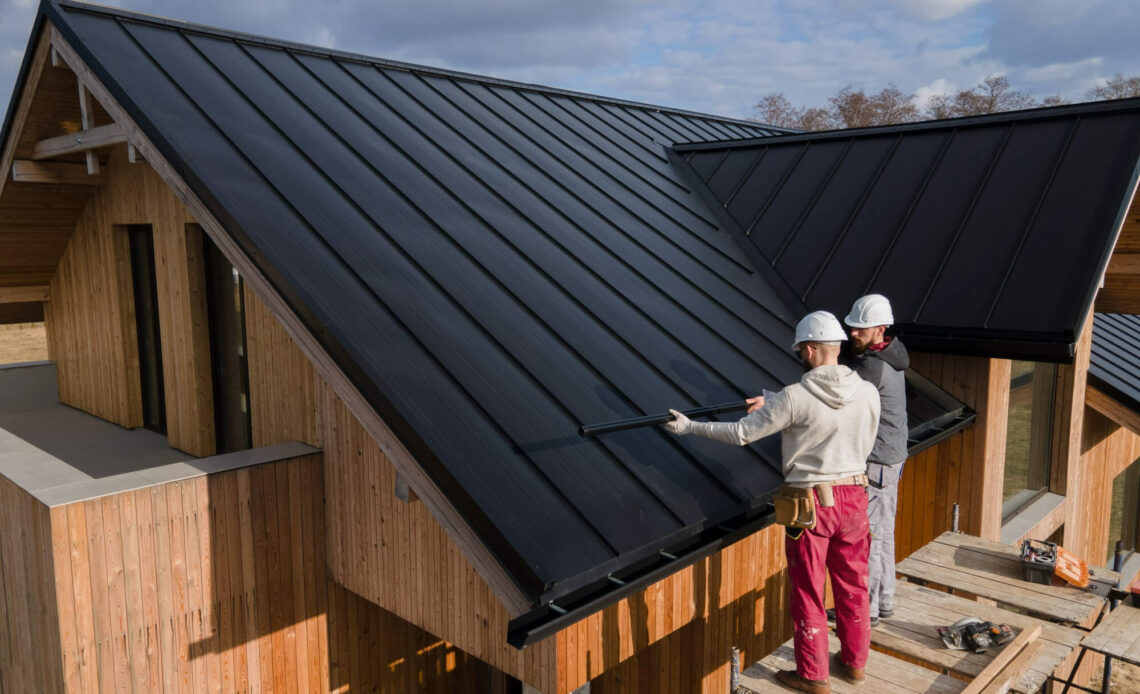
When it comes to transforming a home, roof extensions can work wonders. They’re not just about adding space—they’re about redefining how your home looks and feels. A well-designed roof extension can enhance your property’s charm while boosting its functionality and value.
I’ve always believed that the right roof extension can turn an ordinary house into something extraordinary. Whether it’s creating a cozy outdoor space, adding a modern twist, or simply maximizing natural light, the possibilities are endless. Let’s dive into some awe-inspiring ideas that’ll elevate your home’s style and leave a lasting impression.
Benefits Of Roof Extensions
Roof extensions combine functionality with style, offering a range of advantages that redefine the way a home looks and feels. Below, I explore key benefits that make them a valuable addition to any property.
Enhancing Aesthetic Appeal
Roof extensions transform a house’s visual appeal by introducing architectural interest and modern design elements. For example, incorporating pitched roofs, glass panels, or unique overhang detailing creates a striking exterior. This not only upgrades the structure but also ensures the property aligns with contemporary design trends.
Increasing Living Space
Adding a roof extension effectively increases usable living areas by unlocking previously untapped spaces. For instance, extending over a garage or creating a lofted room provides additional bedrooms, home offices, or entertainment areas. This design solution enhances everyday functionality while ensuring optimal use of available space.
Boosting Property Value
Roof extensions directly increase property value by making homes more desirable to potential buyers. Features like additional square footage or modernized aesthetics result in competitive pricing during resale. In markets where improved layouts or eco-efficiency is in demand, roof upgrades can command higher selling prices.
9 Awe Inspiring Roof Extension Ideas To Add Charm
A well-executed roof extension transforms a property, blending functionality with style. Explore these ideas to elevate the charm of your home.
1. Classic Flat Roof Extension
A classic flat roof extension creates a sleek and contemporary appearance. I emphasize its practicality because it works well for both modern and traditional homes. Minimalist aesthetics and efficient space utilization make it a popular choice. Incorporate skylights or green roofing to enhance natural light and sustainability.
2. Bold Gable Roof Extension
A gable roof extension delivers timeless elegance and practical functionality. Its versatile design adapts seamlessly to different architectural styles.
Why Choose A Gable Roof?
A gable roof offers both visual appeal and structural efficiency. The triangular design enhances curb appeal through clean lines and a balanced profile. Its sloped sides facilitate effective water runoff, reducing the risk of leaks or water damage. The additional height accommodates vaulted ceilings or storage spaces inside, providing both spaciousness and utility. Ideal for homeowners seeking a blend of charm and practicality.
Variations Of Gable Roof Extensions
Different gable roof designs cater to varied preferences and needs. The classic front-gable style accentuates entryways, creating a grand focal point. Side-gable extensions, integrated along a building’s length, expand square footage discreetly. Cross-gable layouts offer depth and dimension, ideal for complex homes. Combining gable with dormers adds light and ventilation, while Dutch gables incorporate overhangs for shaded outdoor areas. Each variation adapts to specific architectural goals, maintaining the core appeal of the design.
3. Practical Dormer Roof Extension
A dormer roof extension provides a perfect solution for maximizing space and introducing charm to a property. With functional versatility, this design facilitates improved interior layouts and enhances natural light.
Ideal Spaces For A Dormer Addition
Target areas with sloped roofs for dormer extensions to increase headroom and create usable spaces. Attics, lofts, and small upstairs bedrooms benefit the most. For example, an attic dormer can transform a cramped storage space into a bright guest room or home office. I recommend choosing mid- or rear-facing locations when preserving street-facing aesthetics is essential.
Dormers also improve ventilation and light access. Installing them in compact upstairs areas ensures daylight penetration while retaining visual privacy. Homes in urban environments experience significant gains by incorporating dormers on less exposed sides.
Styling A Dormer Extension
Select architectural styles and finishes that complement the primary roof structure for a cohesive appearance. Gabled dormers suit traditional homes with pitched roofs, while flat-roof dormers integrate seamlessly with contemporary designs. Opt for eyebrow or arched dormers on period properties to add soft curves and historical charm.
Use matching cladding materials like shingles or tiles to maintain consistency. Installing panoramic windows offers a modern touch, while classic framed windows align better with traditional aesthetics. I suggest incorporating window trims or decorative accents to enhance both functionality and style.
4. Charming Hip Roof Extension
A hip roof extension offers a balanced and sophisticated design that blends seamlessly with various architectural styles. Its angled structure adds stability, charm, and a timeless aesthetic to any property.
Key Features Of Hip Roofs
Hip roofs feature sloping sides that meet at a single point or ridge, creating a pyramidal or rectangular shape. The uniform slope improves drainage, minimizes snow accumulation, and enhances structural stability against wind forces. Ventilation options such as ridge vents or attic fans integrate well with this design for better airflow. Natural light can be maximized by incorporating skylights or dormer windows tailored to the hip roof’s geometry.
Material choices, including asphalt shingles, metal panels, or clay tiles, match the versatility of hip roofs while maintaining durability and style. Aesthetic accents like overhanging eaves or decorative trims further highlight its charming appeal.
Combining Hip Roofs With Modern Designs
Modern designs elevate the traditional hip roof extension by incorporating clean lines and innovative features. Glass elements—like large skylights or glass panels—blend functionality with contemporary aesthetics, introducing more natural light into the space. Overhangs paired with minimalist brackets provide highlighted architectural interest without overpowering the design.
For energy efficiency, solar panels align seamlessly with the roof’s angles, maximizing sunlight capture and reducing energy costs. Angular metal cladding or flat-profile tiles add a sleek finish, aligning the hip roof with modern architectural trends. Extended eaves or integrated LED lighting add dimension and functionality to outdoor living spaces, enhancing both style and usability.
5. Trendy Skillion Roof Extension
A skillion roof extension delivers a sleek, modern aesthetic while maximizing functionality. Its unique design creates a distinct visual appeal, adding charm to any property.
Characteristics Of A Skillion Roof
Skillion roofs feature a single sloping plane that sets them apart from traditional multi-pitched designs. This roof style provides excellent water runoff, making it ideal for areas prone to heavy rainfall. Simplified construction reduces costs and enables efficient installation. The minimalist design complements contemporary architecture, often enhancing its sharp, clean lines. Incorporating durable materials like metal or fiber cement boosts longevity while maintaining the roof’s style. Skillion roofs can also support solar panels and energy-efficient solutions due to their angular surface, making them eco-friendly.
Ideal Uses For Skillion Roof Extensions
Skillion roof extensions work well for creating outdoor living spaces like verandas and patios. Their slope provides shade and shelter, making these areas usable year-round. For interior expansions, skillion roofs can accommodate high ceilings and large windows, inviting ample natural light into the space. Home offices, studios, and open-plan living areas benefit visually and functionally from this design. Skillion extensions also suit minimalist homes or properties with modern landscaping, blending form and function seamlessly. Adding skylights or rainwater collection systems enhances the utility of this extension further.
6. Rustic Shed Roof Extension
Embodying simplicity and charm, a rustic shed roof extension creates a seamless blend between traditional design and functional spaces. Its ability to exude warmth while enhancing both interior and exterior appeal makes it an ideal choice for various settings.
Why Choose A Shed Roof?
A shed roof offers a simple, single-sloped structure that is both cost-effective and visually appealing. The design ensures efficient water runoff, making it suitable for areas with heavy rainfall. It also maximizes space underneath by providing generous ceiling height on the higher side, perfect for lofts, storage, or airy living areas. For rustic aesthetics, using natural materials like reclaimed wood or stone completes the overall design harmony and offers durability.
Integrating Shed Roofs In Lush Settings
Rustic shed roofs work exceptionally well in natural green environments. Their sloped design can direct rainwater for garden irrigation or sustainable drainage systems. Incorporating natural finishes, such as timber beams or stone sidings, ensures the extension complements the surrounding foliage. Adding wide, open windows along the higher walls amplifies the connection with the outdoors by capturing scenic views and inviting natural light into the space. For a more immersive experience, incorporating outdoor patios or covered walkways enhances usability while retaining the charm of the rustic theme.
7. Stunning Curved Roof Extension
A curved roof extension merges innovative design with a striking visual appeal. Soft, flowing lines can redefine both traditional and modern structures, creating a dynamic architectural statement.
Benefits Of A Curved Roof Aesthetic
Curved roofs offer unique and practical advantages. Their smooth, arch-like structure improves wind resistance by redirecting airflow, reducing pressure on the building. These roofs enhance natural light distribution when paired with large glass panels or skylights. For thermal efficiency, the curved shape minimizes heat absorption compared to flat surfaces. Visually, curved roofs provide a futuristic, elegant touch that elevates the overall architectural aesthetic. They suit diverse materials, from metal sheets to timber, accommodating varying design preferences.
Design Tips For Curved Roofs
To maximize the potential of curved roof designs, I recommend prioritizing material flexibility. Metal roofing, for instance, bends easily and supports seamless curvatures. Consider layering translucent panels for added natural light without compromising insulation. Maintain proportion by aligning the curved roof with the building’s height and scale. Opt for minimalist finishes like polished steel or clear glass to highlight the modern aesthetic. When integrating with existing architecture, use complementary colors and textures for a cohesive look. Incorporating hidden gutters and concealed drainage systems preserves the clean and fluid appearance of the design.
8. Open-Air Pergola Roof Extension
An open-air pergola roof extension introduces an elegant structure to elevate outdoor living. It blends functionality with aesthetic charm, creating a seamless transition between indoor and outdoor spaces.
Creating An Inviting Outdoor Space
I recommend designing the pergola roof extension to frame and enhance natural surroundings. Open slats or beams allow sunlight and air circulation, maintaining a breezy, comfortable atmosphere. To boost usability, incorporate elements like string lights, climbing plants, or bamboo shades. For instance, adding a retractable canopy or roll-up curtains offers flexible shading and weather protection. Positioning the pergola near a patio or garden maximizes relaxation and entertainment potential.
Materials To Use For Pergolas
Select materials that enhance the pergola’s durability and complement the home’s overall style. Wood, such as cedar or redwood, exudes warmth and charm while offering natural resistance to decay and insects. For a modern aesthetic, I suggest powder-coated aluminum or steel, which provides low-maintenance longevity. Composite materials combine durability with wood-like aesthetics, making them suitable for all weather conditions. Ensure proper treatment and finishes for chosen materials to optimize longevity and maintain visual appeal.
9. Sustainable Green Roof Extension
A sustainable green roof extension adds charm while promoting environmental benefits. This design enhances aesthetics, supports biodiversity, and improves energy efficiency.
Eco-Friendly Benefits Of Green Roofs
Green roofs improve insulation and reduce energy consumption by regulating indoor temperatures. Their vegetation absorbs rainwater, decreasing runoff and minimizing urban flooding risks. Additionally, green roofs filter pollutants from the air and water, creating healthier living environments. Biodiverse planting supports pollinators like bees and butterflies, enhancing local ecosystems. Installing a green roof can also improve property value by appealing to eco-conscious buyers.
Maintaining A Healthy Green Roof
Maintaining a healthy green roof involves regular care and proper groundwork. Use resilient native plants suited to the local climate to minimize upkeep needs. Schedule biannual inspections to check for leaks, drainage blockages, or plant overgrowth. Fertilize lightly in spring to support plant health without overburdening the soil. Remove invasive weeds and ensure irrigation systems, if installed, distribute water evenly. With routine care, the roof remains durable and flourishing.
Tips For Choosing The Right Roof Extension For Your Home
Selecting an appropriate roof extension involves balancing design, budget, and professional advice. Each factor contributes to creating a harmonious addition that complements your home.
Assessing Your Property’s Design
Evaluating your home’s existing architectural style ensures a cohesive aesthetic. I consider details such as roof pitch, facade materials, and structural proportions before choosing a type. For example, a gable or hip roof fits traditional designs, while a skillion extension matches modern homes. I also account for the neighborhood’s architectural patterns to maintain visual harmony and property value.
Considering Your Budget
Defining a realistic budget narrows choices and avoids excessive costs. I factor in material expenses, labor charges, and future maintenance needs when planning. For instance, green roofs may require higher upfront material costs but offer long-term energy savings. Prioritizing essential features like insulation or natural lighting determines where to allocate financial resources effectively.
Consulting A Professional
Seeking expert advice ensures structural soundness and compliance with local regulations. I consult architects or contractors with roof extension experience to refine my ideas, assess feasibility, and obtain accurate cost estimates. Professionals provide insight into potential design challenges and suggest practical solutions. For instance, they might recommend alternative materials better suited to the climate while preserving the desired look.
Common Issues And Troubleshooting
Roof extensions, while enhancing a home’s charm and functionality, may encounter certain challenges without proper planning and maintenance. Addressing common issues effectively ensures longevity and performance.
Dealing With Leakage Problems
Handling leakage in roof extensions involves identifying potential vulnerabilities, such as damaged flashing or improperly sealed joints. Replacing defective flashing and resealing exposed seams prevents water infiltration. Using high-quality waterproof membranes during construction minimizes future risks. Regular inspections, especially after heavy rains, can reveal early signs of leaks.
Ensuring Proper Insulation
Providing adequate insulation reduces heat loss and enhances energy efficiency. Installing high-performance materials, like rigid foam boards or spray foam insulation, maintains consistent indoor temperatures. Ensuring airtight seals around vents and skylights prevents thermal bridging. Checking for condensation buildup is essential in maintaining a dry and insulated extension.
Preventing Structural Issues
Maintaining structural integrity requires careful assessment of the existing load-bearing capacity. Reinforcing weak support beams and using lightweight roofing materials reduces strain. Incorporating proper drainage systems, such as gutters and downspouts, prevents water accumulation that could lead to sagging. Conducting annual inspections identifies issues like cracks or material deterioration before significant problems arise.
Conclusion
Roof extensions offer endless possibilities to transform your home into a space that’s both stylish and functional. Whether you’re drawn to modern minimalism, rustic charm, or eco-friendly designs, there’s an option to suit every taste and need. By carefully considering your property’s style, budget, and structural requirements, you can create an extension that not only adds charm but also enhances your home’s value and livability. With the right planning and professional guidance, the roof of your dreams is well within reach.
Frequently Asked Questions
What is a roof extension?
A roof extension is an architectural addition to a building’s roof, designed to enhance functionality, aesthetics, or usable space. It can include features like flat roofs, gable structures, pergolas, or green roofs, depending on the desired style and purpose.
How can roof extensions increase property value?
Roof extensions increase property value by improving a home’s aesthetic appeal, creating additional living space, and incorporating modern or energy-efficient features. These enhancements make homes more attractive to potential buyers.
What are the most popular types of roof extensions?
The most popular types of roof extensions include flat roof extensions, gable roofs, dormer additions, hip roofs, skillion roofs, shed roofs, curved roofs, pergolas, and green roofs. Each has distinct advantages based on design preferences and functionality.
Why are green roof extensions considered sustainable?
Green roof extensions are sustainable as they improve insulation, reduce energy consumption, support biodiversity, and decrease urban heat. They also contribute to better rainwater management and foster a greener environment.
How do I choose the right roof extension for my home?
To choose the right roof extension, consider your home’s architectural style, desired functionality, budget, and local regulations. Consulting an architect or contractor ensures proper design and structural safety.
How can roof extensions enhance natural light in a home?
Features like skylights, large windows, and open layouts in roof extensions can maximize natural light, brightening interiors and creating a welcoming atmosphere. Options like gable and skillion roofs are ideal for this purpose.
Are roof extensions suitable for small homes?
Yes, even small homes benefit from roof extensions. Options like dormers or flat roof extensions can create additional living space efficiently without disrupting the home’s design.
Do I need permits for a roof extension?
Permits are often required for roof extensions to ensure compliance with local building codes and safety standards. Check city regulations and consult professionals to streamline the process.
