
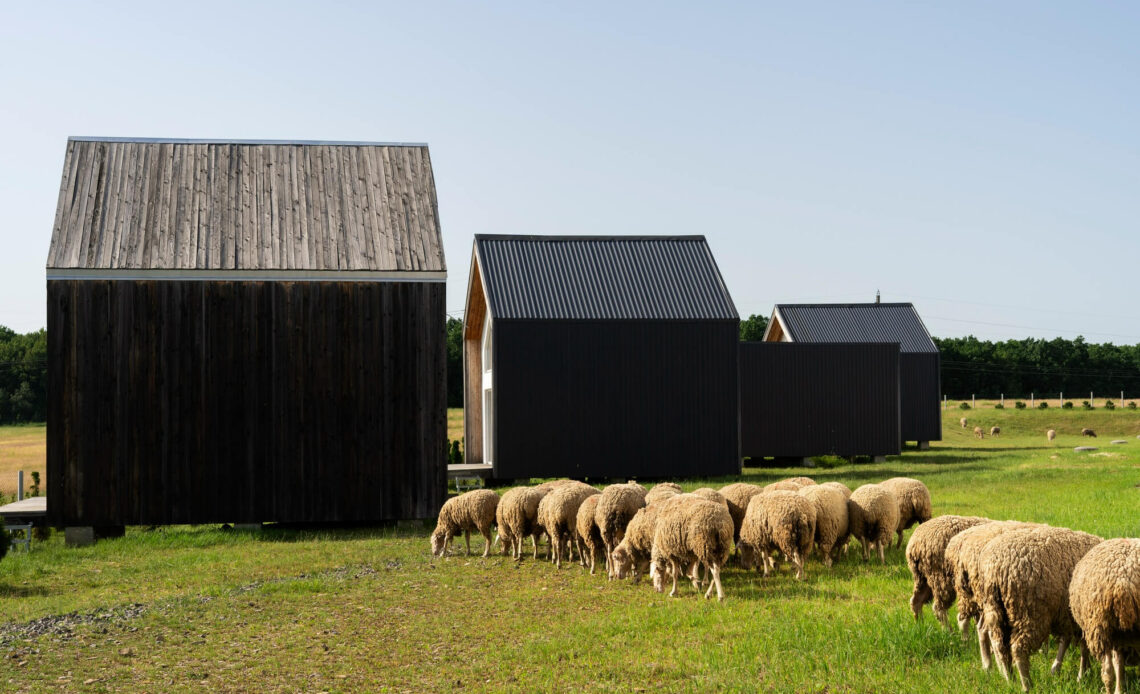
When it comes to farm sheds, durability isn’t just a bonus—it’s a necessity. A well-built shed protects equipment, livestock, and supplies from harsh weather, ensuring everything stays safe and functional. But not all sheds are created equal, and choosing the right materials and design can make all the difference.
I’ve seen how the wrong choices lead to constant repairs and wasted money. The key lies in selecting materials that can withstand the elements and designs that fit your farm’s specific needs. Whether you’re storing heavy machinery or housing animals, the right combination ensures your shed stands the test of time while staying cost-effective.
Understanding The Importance Of A Durable Farm Shed
A durable farm shed protects investments by shielding equipment and supplies from environmental damage. Effective materials and design choices reduce repair costs and extend the shed’s lifespan.
Protecting Valuable Equipment and Livestock
Robust sheds safeguard tractors, harvesters, and other machinery against rust and degradation. Livestock remains safe during extreme weather like heavy rains or high winds, ensuring their well-being.
Minimizing Maintenance Costs
Durable materials such as galvanized steel or treated wood resist wear and tear, decreasing upkeep efforts. Properly designed drainage prevents water pooling, which often leads to structural damage.
Ensuring Long-Term Usability
Customized designs meet specific farming requirements, such as ventilated spaces for grain storage or insulated interiors for temperature-sensitive assets. These features enhance functionality while maintaining durability.
Improving Cost-Effectiveness
Investing in high-quality materials and solid construction ensures longevity. This initial investment reduces the need for frequent replacements, offering lower long-term costs.
Factors To Consider When Choosing Materials
Selecting the right materials impacts the functionality and longevity of farm sheds. I evaluate several factors to ensure durability and cost-efficiency.
Climate And Weather Conditions
Material choice aligns with the local climate to maximize resistance. For areas with high humidity or frequent rainfall, galvanized steel or treated wood prevents moisture damage. UV-resistant roofing materials like polycarbonate or metal perform better under intense sunlight. Wind-prone regions benefit from reinforced structures using heavy-gauge metals or securely fastened panels.
Weight And Durability Requirements
Materials need adequate strength to handle intended loads and usage. Heavy-duty options, such as structural steel, accommodate machinery or equipment storage without compromising stability. I prioritize lighter yet sturdy materials, like aluminum, for smaller sheds, minimizing construction complexity while maintaining reliability.
Resistance To Pests And Corrosion
Materials resistant to biological and chemical damage enhance the shed’s lifespan. Treated wood deters termite infestations. Corrosion-resistant alloys or painted metals reduce rusting in regions with salty air or high moisture. I avoid untreated materials in environments conducive to accelerated wear and tear.
Budget Constraints
Balancing durability with cost ensures long-term value. High-quality materials like powder-coated metal or premium-treated wood offer upfront savings on maintenance and repairs. Economically viable options such as poly panels suit temporary or lightweight structures without sacrificing essential durability.
Choosing The Right Materials For Farm Sheds
Selecting appropriate materials ensures a farm shed’s durability, functionality, and resistance to environmental damage. Various material options cater to different needs, weather conditions, and budgets.
Metal: Pros And Cons
Metal, particularly galvanized steel and aluminum, offers exceptional durability and resistance to rust and corrosion. It is fire-resistant and ideal for areas prone to hurricanes or heavy snow due to its strength. Galvanized steel withstands humidity effectively.
However, metal can be prone to denting under extreme impacts and may not provide adequate thermal insulation without additional layers. Noise levels increase during rain or hail. Costs for quality metal roofing and siding might be higher compared to traditional materials.
Wood: Pros And Cons
Wood, such as treated pine or hardwood, brings an aesthetic and traditional appearance to farm sheds. When treated, it resists rotting, pests, and moisture effectively. It is versatile and easy to repair or modify.
On the downside, wood requires periodic maintenance, including sealing or painting, to prolong its lifespan. Untreated or improperly maintained wood often succumbs to termites or weathering. It is less ideal for humid or rainy climates due to rot risks.
Concrete And Bricks: Pros And Cons
Concrete and bricks provide unmatched structural strength and longevity. These materials excel in creating foundations or entirely enclosed areas, particularly in regions with extreme temperature fluctuations. They are fireproof and largely maintenance-free.
Challenges include a higher upfront cost and limited adaptability for modifications once built. Installation time is generally longer for brick or concrete structures compared to prefabricated sheds. Weight often constrains flexibility in location or transport.
Synthetics And Composites: Pros And Cons
Synthetics and composites, including reinforced plastics and PVC, offer lightweight, moisture-resistant options for roofing and siding. They are cost-effective for temporary or smaller structures and come in various colors and styles.
However, these materials lack the strength and long-term durability of metal or concrete for larger sheds. They are susceptible to damage from UV exposure and extreme weather over time and might require frequent replacements in harsh conditions.
Combining Materials For Maximum Durability
Combining materials optimizes durability and suitability for specific farm needs. For example, using a concrete foundation with galvanized steel walls and a UV-resistant composite roof enhances structural integrity and weather resistance. Embedding treated wood interiors improves insulation and protects equipment. By strategically blending materials, one can achieve a cost-effective solution tailored to climate, usage, and longevity requirements.
Key Design Elements For Durable Farm Sheds
Optimized design ensures farm sheds withstand environmental challenges while maintaining functionality. Key elements like roof design, ventilation, foundation, and structural reinforcements are essential for durability.
Roof Design: Slope, Drainage, And Load Capacity
A well-designed roof protects the shed from damage caused by weather conditions. I prioritize a roof slope of at least 4:12 for effective water runoff, especially in high-rainfall regions. Proper drainage systems, including gutters and downspouts, prevent water pooling near the shed base. Load capacity must match local conditions; snow-prone areas require reinforced roofs capable of supporting heavier load weights.
Ventilation And Airflow
Efficient ventilation maintains optimal conditions inside the shed. I incorporate ridge vents, wall louvers, or exhaust fans to enable continuous airflow, which reduces moisture buildup and prevents mold. Cross-ventilation improves air circulation, critical for maintaining livestock health and preventing the deterioration of stored equipment or supplies.
Foundation And Flooring Considerations
An appropriate foundation prevents structural shifting and enhances shed stability. I choose concrete slab foundations for durability and resistance to pests or rot, particularly for heavy-use sheds. Gravel bases offer a cost-effective alternative for smaller, lightweight structures. Flooring material should match usage; reinforced concrete is ideal for heavy machinery, while treated wood works for smaller and temporary setups.
Structural Reinforcements For Extra Durability
Additions like bracing and reinforcements ensure the shed handles stress from high winds or heavy loads. I use steel bracing or gusset plates at critical joints for improved strength and stability. Anchoring the structure to its foundation with bolts or rebar prevents movement during storms. Reinforced framing and truss systems increase load tolerance, enhancing overall resilience in adverse weather.
Tips For Customizing Your Farm Shed Design
Selecting the right customizations enhances the shed’s practicality and ensures it meets specific farming requirements. Tailor the design features based on your current and future needs for optimal performance.
Adding Extra Space For Future Needs
Incorporating additional space into the design secures room for expansion. A larger structure accommodates new equipment, seasonal supplies, or increasing livestock. Including extendable sections or trusses simplifies future modifications while maintaining durability. For example, leave unused bays ready for future partitioning or machinery storage as operational demands grow.
Different Applications And Layouts
Customizing layouts optimizes the shed for multiple uses. Configurations should reflect specific applications, such as housing livestock, storing machinery, or handling feed. For instance, create distinct zones for tools and chemicals to improve safety and efficiency. Incorporating open spaces or removable partitions allows versatility, adjusting the shed’s functionality as farm operations evolve.
Consider Aesthetic Appeal Along With Functionality
A design blending aesthetics and utility enhances the shed’s overall value. Choosing color schemes and materials that complement the farm surroundings creates visual harmony. For instance, color-bonded steel or painted wood aligns the shed seamlessly with the landscape. Functional additions like decorative vent covers or gutters merge design appeal with practicality without compromising durability.
Common Issues And How To Avoid Them
Addressing common problems in shed construction ensures longevity and minimizes costly repairs. Understanding the root causes helps in making informed decisions.
Improper Material Selection
Choosing the wrong materials affects durability and functionality. Rust-prone metals, untreated wood, or low-grade composites quickly deteriorate under harsh weather conditions. For instance, untreated wood succumbs to rot in humid environments, while uncoated metals corrode due to moisture. I recommend selecting galvanized steel, treated wood, and UV-resistant roofing materials depending on climate and intended use. Prioritizing materials that resist corrosion, pests, and wear enhances longevity.
Overlooking Local Building Codes And Regulations
Non-compliance with local regulations leads to fines and structural modifications. Ignoring snow load requirements in cold regions, for example, might cause roof failures. I review zoning laws, obtain necessary permits, and ensure compliance during the shed’s design and construction phases. Incorporating mandated reinforcements or safety features avoids legal issues and keeps the shed structurally sound.
Poor Maintenance Leading To Reduced Longevity
Neglecting maintenance accelerates material degradation. Accumulated debris on roofs causes water pooling, while untended pest infestations compromise structural integrity. I schedule regular inspections to identify and address issues early. Clearing drainage systems, applying protective coatings, and checking for damage ensures the shed performs optimally over its lifespan.
Maintenance Tips To Prolong Shed Durability
Consistent maintenance plays a critical role in extending the lifespan of farm sheds. Incorporating routine practices helps prevent damage and ensures long-term functionality.
Regular Inspections And Repairs
Conducting periodic inspections of the shed aids in identifying issues early. I recommend checking the roof, walls, and foundation every 3–6 months for signs of wear, such as cracks, leaks, or rust. Promptly addressing these issues, like sealing cracks or reinforcing weakened sections, prevents them from escalating into serious structural problems. Examine joints, fasteners, and supports to ensure stability, tightening or replacing loose or corroded components as needed.
Cleaning And Pest Control
Maintaining a clean shed interior and exterior contributes significantly to durability. Remove debris, dirt, and organic buildup from the roof and walls monthly to prevent moisture retention and rot. Clear drainage systems, gutters, and openings to avoid water accumulation. For pest control, I apply treatments such as sealants and repellents, particularly on wooden structures, to deter termites and rodents. Eliminating potential nesting areas, especially near the foundation, reduces infestation risks.
Weatherproofing And Coating Applications
Applying weatherproofing measures protects the shed from climatic elements. Use protective coatings, like rust-proof paint or water sealants, on metal and wooden surfaces annually to enhance resistance against corrosion, UV rays, and moisture. For roofing, inspect seals and replace damaged waterproof membranes to reinforce protection against leaks. In areas prone to extreme weather, I suggest adding reinforcements, such as storm panels or extra bracing, to shield against heavy winds and rain.
Conclusion
Choosing the right materials and designs for a farm shed is a critical investment that pays off in durability, functionality, and long-term savings. By considering factors like local climate, structural needs, and maintenance requirements, you can create a shed that stands strong against the elements while meeting your farm’s unique demands.
Balancing quality with cost ensures you get the best value without compromising on performance. With thoughtful planning and regular upkeep, your farm shed can remain a reliable asset for years to come, protecting both your equipment and your livelihood.
Frequently Asked Questions
Why is durability important for farm sheds?
Durability is essential for farm sheds to protect equipment, livestock, and supplies from harsh weather, reduce repair costs, and ensure long-term functionality. A durable shed minimizes maintenance, increases lifespan, and safeguards valuable investments.
What materials are best for building a durable farm shed?
Galvanized steel and treated wood are ideal for durability. Steel resists rust, while treated wood is resistant to pests and rot. Other options include concrete, bricks for structural strength, and synthetic materials for lighter, moisture-resistant solutions.
How can I make my farm shed weather-resistant?
Use weatherproof materials, ensure proper roof drainage, and apply protective coatings. Design your shed with a sufficient roof slope, effective ventilation, and reinforced structures to withstand extreme weather conditions.
What design elements improve farm shed durability?
Key design features include sloped roofs for drainage, concrete foundations for heavy use, efficient ventilation, and structural reinforcements like steel bracing. These elements enhance functionality and protect against environmental challenges.
How does regular maintenance benefit a farm shed?
Regular maintenance prevents material degradation, identifies cracks or leaks early, and ensures long-term performance. Cleaning, inspections every 3–6 months, and applying weatherproof coatings can extend your shed’s lifespan.
What factors should I consider when choosing farm shed materials?
Consider the local climate, material durability, resistance to pests and corrosion, and intended use of the shed. Balance durability with budget to maximize long-term value and minimize repair costs.
How can I customize my farm shed design?
Customize by adding extra space for future needs, optimizing layouts for specific applications, and choosing color schemes or materials that blend with your farm’s surroundings. These adjustments enhance practicality and aesthetic appeal.
What are common mistakes in farm shed construction?
Mistakes include using low-quality materials like untreated wood or rust-prone metals, neglecting local building codes, and skipping regular maintenance. Avoid these issues by investing in high-quality materials and proactive care.
