
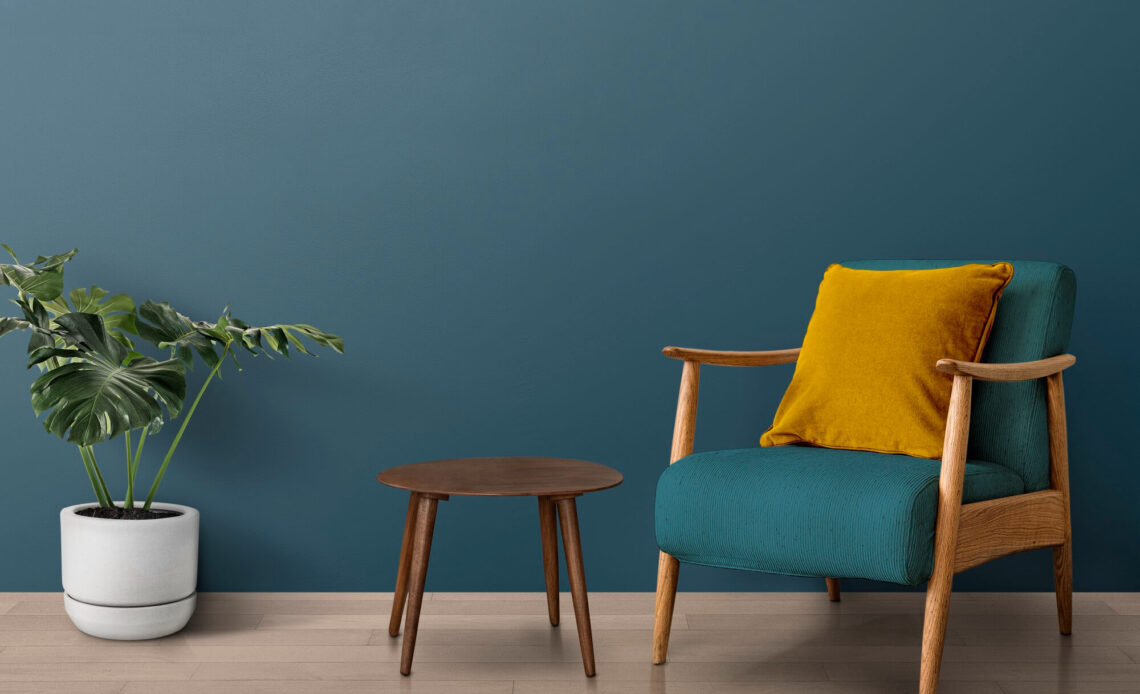
Creating a home that feels stylish and inviting doesn’t have to break the bank. I’ve always loved the idea of transforming spaces with a personal touch, and DIY home decor is the perfect way to do just that. With a little creativity and effort, you can turn ordinary rooms into stunning spaces that reflect your unique style.
Why DIY Home Decor Matters
DIY home decor lets me create personalized spaces that reflect my style. It transforms generic rooms into unique environments, showcasing individuality and creativity. By crafting decor items, I add a one-of-a-kind charm that mass-produced pieces can’t replicate.
It also offers cost-effective solutions for enhancing interiors. Instead of purchasing expensive decor, I use readily available materials to achieve stunning results. This approach balances affordability with visual appeal, making stylish designs accessible.
Skill development is another benefit. Through DIY projects, I learn techniques like painting, sewing, or woodworking. These skills not only improve my decor but also become valuable for future projects, allowing continual updates to my home.
Sustainability is a key advantage of DIY decor. By repurposing old items and reducing waste, I contribute to eco-friendly practices while creating functional decor. Projects like upcycled furniture or hand-made planters highlight the environmental benefits of this approach.
Benefits Of DIY Projects For Your Home
DIY projects offer valuable advantages for home decor, combining creativity with practical benefits. They allow me to create inviting spaces while maximizing functionality and value.
Cost-Effective Solutions
DIY projects save money by using budget-friendly materials and avoiding high labor expenses. I often repurpose items like jars, wooden pallets, or leftover fabric instead of buying new decorations. For example, transforming mason jars into table centerpieces or using old frames as wall art reduces costs while enhancing style.
Personal Touch And Uniqueness
Each DIY creation adds individuality to home decor. I can customize colors, patterns, and designs to reflect my preferences. For instance, painting accent walls or crafting handmade cushions ensures no two spaces feel the same, creating a home that truly represents me.
Eco-Friendly Practices
Repurposing materials reduces waste and promotes sustainability. When I upcycle unused furniture or recycle glass bottles into decorative vases, I contribute to eco-friendly living. DIY practices also decrease reliance on mass-produced goods, which often involve higher environmental costs.
9 Simple DIY Tips For Stunning Home Decor
Decorating your home doesn’t have to be expensive. With a little imagination and a few affordable supplies, you can create a space that feels stylish, personal, and welcoming. The secret lies in small changes that make a big impact, projects that refresh what you already own, and clever tricks that bring warmth and personality into your rooms. Here are nine simple DIY ideas that will help you transform your home without overspending.
1. Refresh Walls with Removable Wallpaper
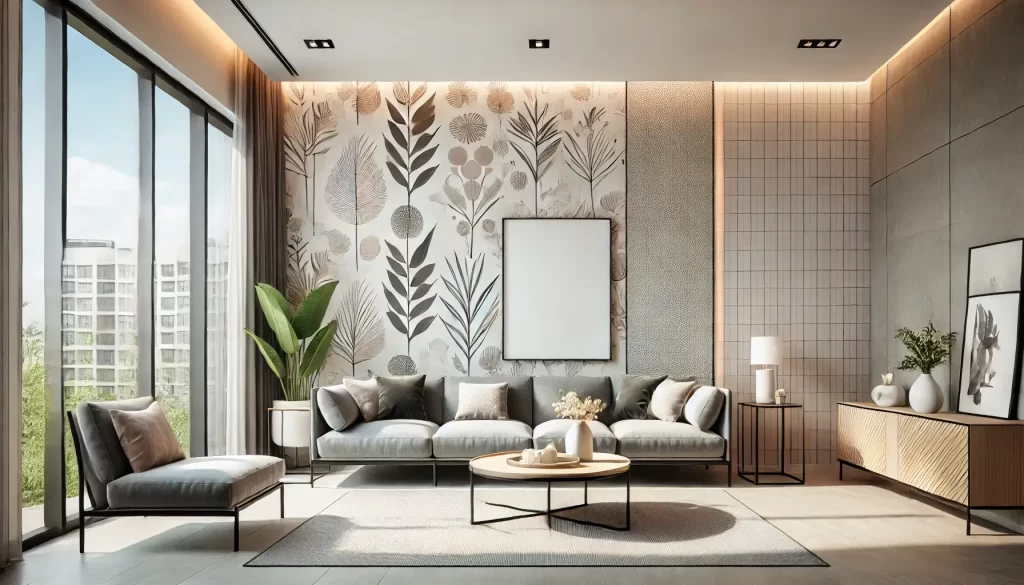
When your walls feel plain but you don’t want to commit to permanent paint, removable wallpaper can give your space an instant facelift. The beauty of this option is its flexibility—you can find patterns ranging from subtle textures to bold graphics, and it installs without the mess of paint or glue. Simply peel, stick, and smooth it onto the wall.
If you get tired of the look, just remove it and try something new. It’s renter-friendly and perfect for those who like to change decor with the seasons. Use it to create a striking accent wall in your living room, add charm to a small hallway, or give the inside of a bookshelf a burst of personality.
2. Create Artwork from Everyday Finds
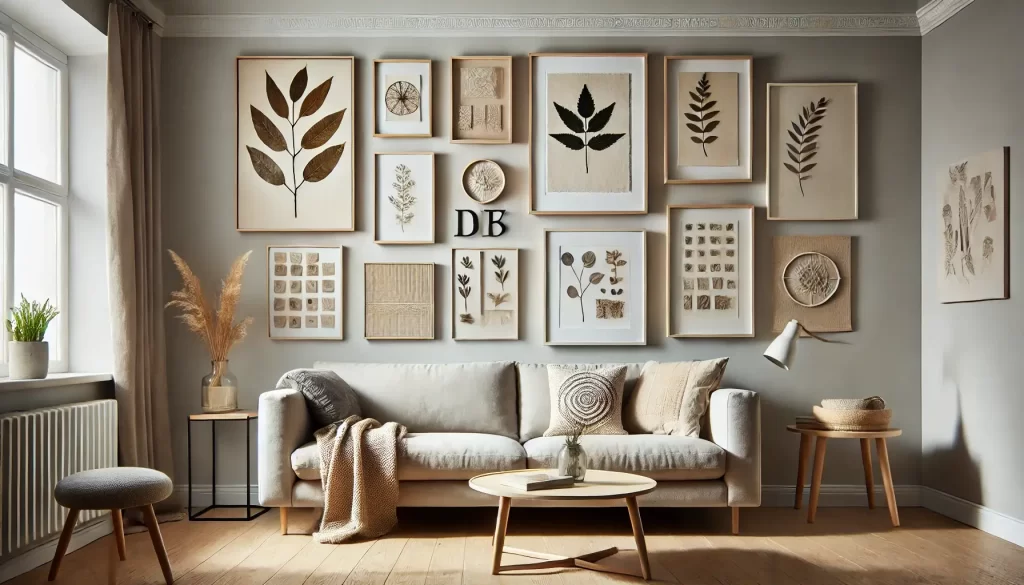
Artwork doesn’t have to come with a hefty price tag. You can make unique, stylish pieces from items you already own or inexpensive materials. Pressed leaves or flowers, vintage maps, or fabric swatches can be framed to create one-of-a-kind wall art.
Another idea is to pick up blank canvases and paint simple designs—geometric shapes, abstract brushstrokes, or a bold block of color can look chic and modern. Even black-and-white photos printed at home can become gallery-worthy with the right frames.
The best part is that you’re adding a personal touch to your home while keeping costs low, and no two pieces will ever be exactly alike.
3. Upgrade Old Furniture with Paint or Hardware
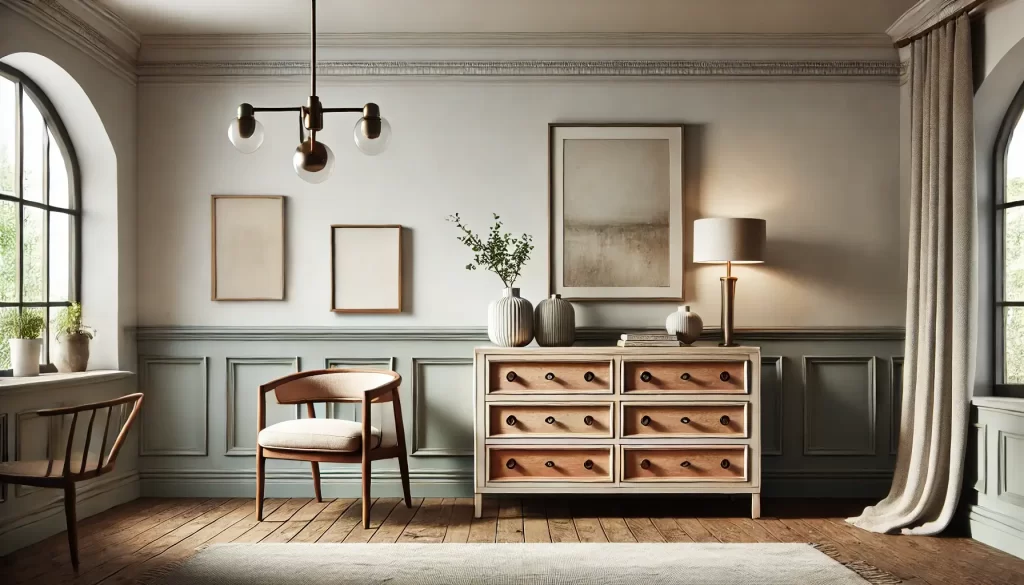
Instead of replacing old furniture, breathe new life into it with a little DIY effort. A fresh coat of paint can instantly transform a worn dresser, side table, or chair into something stylish and modern. Chalk paint is a great option because it requires minimal prep work and creates a soft, matte finish.
Beyond paint, changing hardware is an easy way to make furniture feel brand new. Sleek brass pulls, ceramic knobs, or minimalist handles can completely alter the look of cabinets and drawers.
These updates are simple enough to do in a weekend but will make your furniture feel custom and refreshed.
4. Use Mirrors to Brighten and Enlarge Rooms

Mirrors are one of the most effective tricks for making a room feel bigger and brighter. They reflect light, creating the illusion of more space while also acting as a decorative element. Instead of buying an expensive oversized mirror, you can create your own by grouping smaller, affordable mirrors in a gallery-style arrangement. Thrift stores and flea markets often have interesting frames that can be painted or refinished to match your decor. Another easy DIY is framing a plain mirror with reclaimed wood for a rustic look or metallic trim for a modern touch. A well-placed mirror opposite a window can dramatically enhance natural light and instantly uplift your space.
5. Add Warmth with DIY Textile Accents
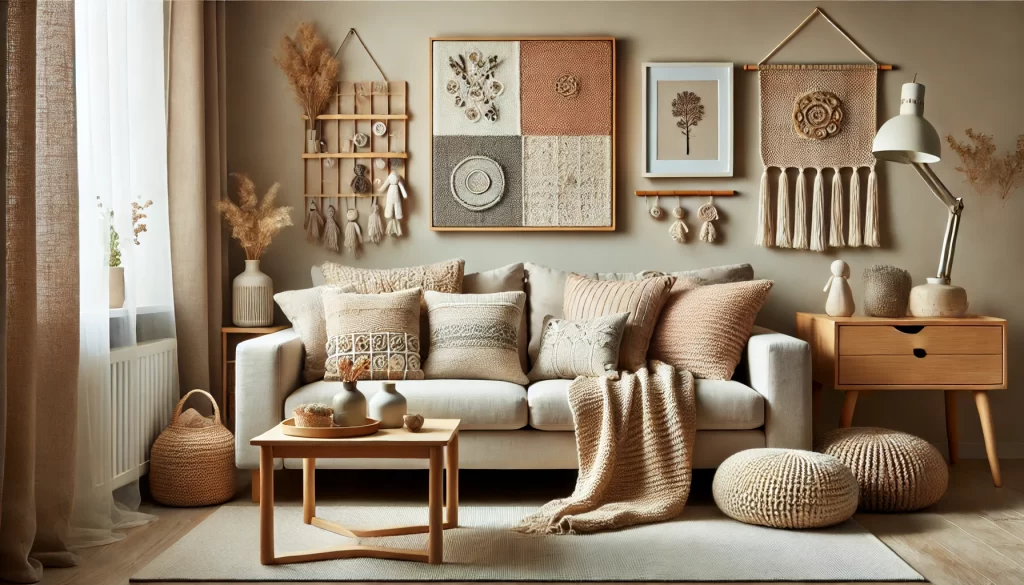
Textiles have the power to soften a room and make it feel more inviting, and creating your own accents is a fun way to save money. You can sew pillow covers from inexpensive fabric remnants, or even repurpose old curtains, tablecloths, or clothing into cushions.
Tie-dye or fabric paint lets you customize plain pillowcases into bold statement pieces. No-sew options like fabric glue or iron-on adhesive tape make the process easy even for beginners.
For larger projects, consider making a simple throw blanket or reupholstering a dining chair seat with a fresh fabric. These small touches add color, texture, and warmth while keeping your budget intact.
6. Repurpose Jars, Bottles, and Containers
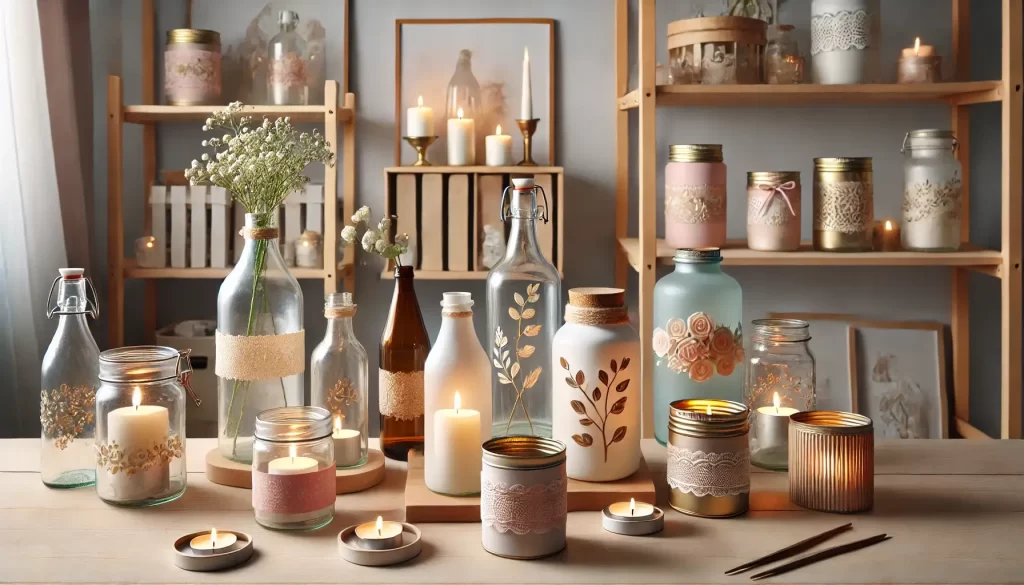
Everyday items like glass jars, wine bottles, and tin cans can become stylish home decor with a bit of creativity. Jars can be turned into candle holders, vases, or storage containers for small items like cotton balls or office supplies. Wine bottles look elegant as single-stem vases, and tin cans can be wrapped in rope or painted to serve as planters or utensil holders. Adding simple details such as twine, paint, or metallic spray gives these objects a polished finish. Repurposing not only saves money but also reduces waste, making your decor both budget-friendly and environmentally conscious.
7. Build Open Shelving for Storage and Display
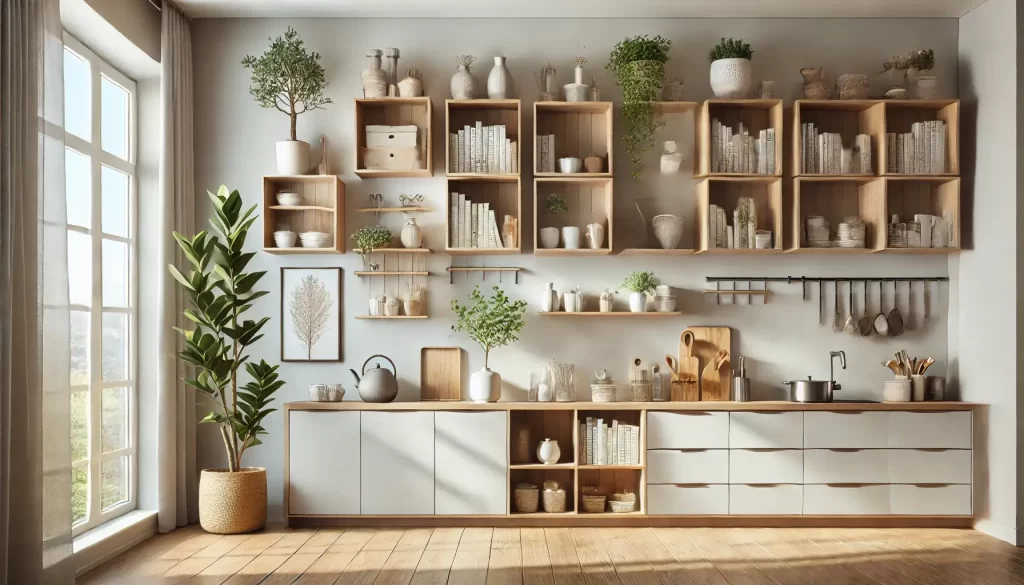
Open shelving is a practical and stylish way to add storage while showcasing items you love. Instead of buying expensive built-ins, you can make your own shelves using affordable wood boards and simple brackets.
Paint or stain the wood to match your decor, then mount them in the kitchen for displaying dishware, in the living room for books and plants, or in the bathroom for neatly folded towels.
The look is light and airy compared to closed cabinets, and it allows you to personalize your space with decorative displays. DIY shelving gives you the freedom to choose the size, length, and style that best suits your home.
8. Personalize Lighting with DIY Fixtures and Shades
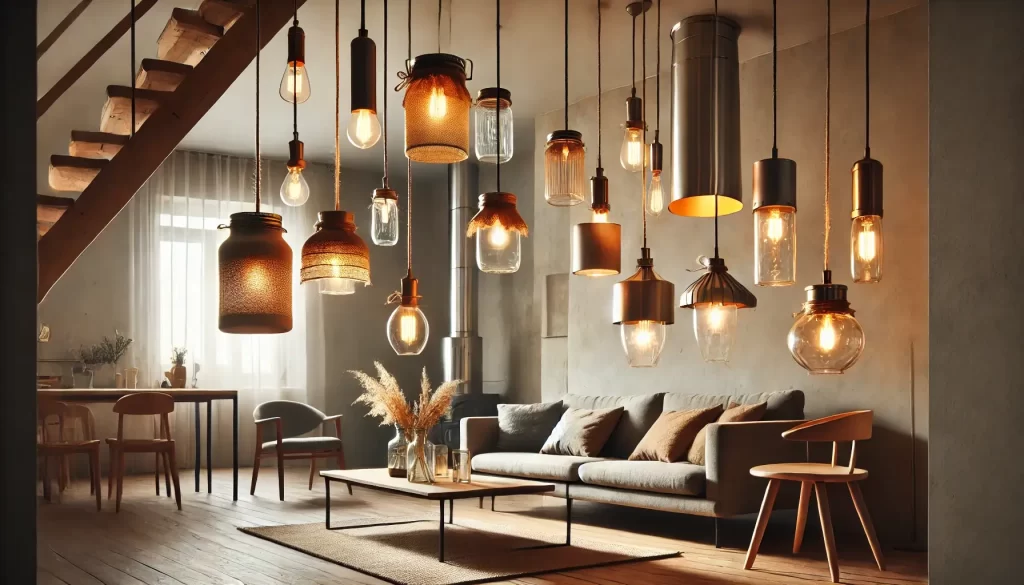
Lighting sets the mood in every room, and DIY updates can make fixtures look far more expensive than they are. Swapping out a plain lampshade for one wrapped in fabric, rattan, or patterned paper instantly elevates the look. String lights placed in glass jars or woven baskets can create a cozy atmosphere.
If you’re comfortable with simple electrical work, you can replace a basic pendant with a statement shade made from natural fibers, metal, or even a repurposed wire basket. These small upgrades add personality and warmth while giving your home the kind of layered lighting that designers love to recommend.
9. Style with Plants in DIY Planters
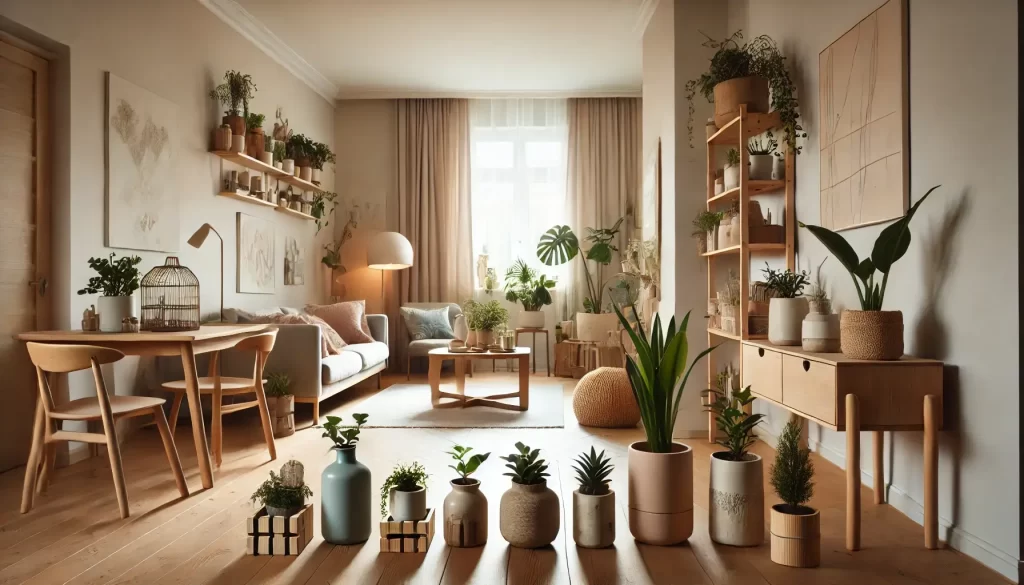
Plants breathe life into a home, and creative planters make them even more impactful. Instead of buying expensive pots, you can make your own from terracotta, concrete, or repurposed containers. Painting terracotta pots in soft neutrals or bold colors gives them a fresh, modern look.
Old baskets, wooden crates, or even mason jars can be repurposed as plant holders with a little lining or waterproofing.
Hanging planters are another budget-friendly option—macramé hangers can be made with cotton cord, or you can use simple hooks and rope. Adding greenery not only enhances your decor but also improves air quality and makes your home feel more vibrant and inviting.
Tools And Materials You’ll Need
Effective DIY home decor projects require specific tools and materials for success. Having these essentials ensures smoother execution and professional-looking outcomes.
Tools
- Measuring Tape: Accurate dimensions ensure proper fitting for items like wallpaper and furniture placement.
- Scissors: Sharp scissors cut fabric, paper, and lightweight materials efficiently.
- Utility Knife: Perfect for trimming peel-and-stick wallpaper or cutting heavier materials.
- Paintbrushes and Rollers: These assist with painting walls, furniture, or small accessories.
- Hot Glue Gun: Essential for quick and durable bonding of materials like fabric, wood, and plastic.
- Screwdrivers: Crucial for repurposing or assembling furniture and attaching decor pieces.
- Level Tool: Ensures items like mirrors and shelves are aligned properly on walls.
- Drill: Handy for creating holes or securely mounting items.
- Staple Gun: Ideal for upholstery projects or securing fabric to wood frames.
Materials
- Paint: Choose colors that match your existing decor or bring contrast for a unique look.
- Fabric: Used for making throw pillows, curtains, or reupholstering furniture.
- Wallpaper: Peel-and-stick varieties offer a quick update without permanent commitment.
- Wood Boards: Useful for crafting shelves, frames, and other structural decor.
- Mason Jars and Glass Bottles: Great for organizing, storage, or decorative displays.
- String Lights: Adds warmth and enhances ambiance in any room.
- Indoor Plants: Choose low-maintenance types like succulents or pothos for greenery.
- Spray Paint: Transforms objects like vases or picture frames with a modern touch.
- Decorative Accessories: Include items like ribbons, beads, or stencils for customization.
Organizing these tools and materials before starting reduces delays and enhances creativity. Each item plays a role in achieving cohesive and stunning results.
Conclusion
DIY home decor is more than just a cost-effective way to beautify your home—it’s an opportunity to express your creativity and make your space uniquely yours. With the right tools, materials, and a little inspiration, transforming your home can be both rewarding and enjoyable.
Every project you take on adds a personal touch that no store-bought item can replicate. Whether you’re repurposing old furniture, incorporating greenery, or experimenting with bold patterns, the possibilities are endless. Plus, the skills you gain along the way will serve you well in future projects.
Creating a stunning home doesn’t have to break the bank. By embracing DIY, you’re not only saving money but also contributing to a more sustainable lifestyle. So grab your tools, unleash your imagination, and start turning your house into a space that truly feels like home.
Frequently Asked Questions
What is DIY home decor?
DIY home decor involves creating or customizing home decorations yourself, using techniques like painting, sewing, and repurposing materials. It’s a budget-friendly way to personalize your space while showcasing your creativity.
How can I decorate my home on a budget?
You can decorate on a budget by repurposing furniture, using inexpensive materials like peel-and-stick wallpaper, DIYing throw pillows, or creating a gallery wall using framed art. Incorporating items like string lights or indoor plants is also cost-effective.
What are the main benefits of DIY home decor?
DIY home decor saves money, enhances creativity, promotes sustainability by repurposing items, and allows you to personalize your home. It also helps develop useful skills like painting, sewing, and woodworking.
What tools are essential for DIY home decor projects?
Some must-have tools include measuring tape, scissors, utility knives, paintbrushes, hot glue guns, screwdrivers, drills, and staple guns. These tools streamline projects and ensure polished results.
What materials are commonly used in DIY home projects?
Common materials include paint, fabric, peel-and-stick wallpaper, wood, mason jars, string lights, and spray paint. Decorative items like indoor plants and accessories also enhance your decor.
How can I add personality to my DIY home decor?
Customize your projects with colors, patterns, and designs that reflect your style. Repurpose unique items, create personalized throw pillows, or add handmade artwork to ensure a distinctive touch.
Are DIY home decor projects eco-friendly?
Yes, DIY projects can be eco-friendly by reducing waste, repurposing materials like jars and wooden pallets, and promoting a sustainable lifestyle. This approach creates an environmentally conscious home.
What are simple DIY tips for beginners?
Some easy tips include making a gallery wall, adding indoor plants, using decorative mirrors for light, customizing shelves with paint, and styling your coffee table. Start small to build confidence.
