
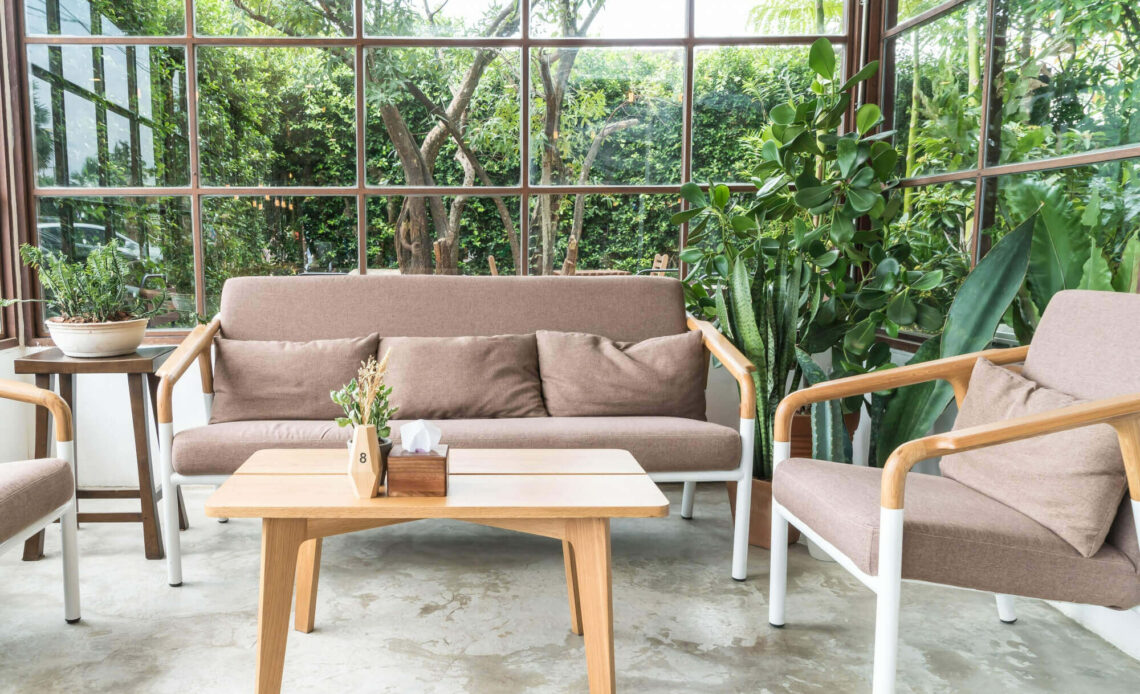
There’s something magical about spending time outdoors, whether it’s soaking up the sun, enjoying a cool evening breeze, or hosting a cozy gathering under the stars. But let’s face it—the right furniture can make or break the experience. I’ve learned that creating a comfortable and stylish outdoor space isn’t just about aesthetics; it’s about crafting a haven where you can truly relax and connect with nature.
From versatile seating to durable dining sets, the perfect outdoor furniture transforms any patio, deck, or garden into your personal retreat. It’s not just about functionality—it’s about setting the tone for unforgettable moments. Whether you’re looking to lounge solo or entertain guests, choosing the right pieces can elevate your outdoor lifestyle in ways you never imagined.
Choosing the Perfect Outdoor Furniture
Selecting the right outdoor furniture elevates any open-air retreat by blending comfort, functionality, and design. Achieving this balance starts with several key considerations.
Assess Your Space and Needs
I evaluate the size, layout, and purpose of my outdoor space before planning. Small balconies benefit from compact furniture, such as foldable chairs and bistro tables. Larger areas like patios or gardens support sectional seating or extended dining sets. Prioritizing intended use helps in optimizing space—for example, seating arrangements for lounging versus tables for outdoor dining.
Understand Different Types of Outdoor Furniture
Various furniture categories cater to distinct outdoor activities. Adirondack chairs and hammocks serve as ideal lounging options. Dining sets, including expandable tables, accommodate meals or gatherings. Benches, modular furniture, and daybeds enhance versatility for multi-use spaces. Investing in suitable pieces ensures functionality aligns with the outdoor lifestyle.
Consider Weather-Resistant Materials
Durable materials enhance furniture longevity under outdoor conditions. Teak and eucalyptus resist rot and weather damage, making them ideal for wood furniture. Aluminum and stainless steel avoid corrosion and suit rainy or humid climates. For cushion fabric, UV-resistant polyester and solution-dyed acrylic reduce sun fading. Choosing weather-resistant options minimizes maintenance and increases durability.
Select a Style That Matches Your Aesthetic
Choosing a design that complements the overall outdoor setting creates cohesive visuals. I match natural surroundings with wooden or wicker furniture for a rustic feel. For modern appearances, sleek metal or minimalist designs enhance the look. Coordinating furniture pieces with existing decor ensures harmony and adds character to the outdoor area.
Materials and Tools You Might Need
Selecting the right materials, accessories, and tools is essential for enhancing outdoor spaces with functional and stylish furniture.
Common Materials for Outdoor Furniture
- Wood: Teak, cedar, and eucalyptus resist weather damage and develop a natural patina over time. They are commonly used for their durability.
- Metal: Aluminum, steel, and wrought iron offer varying levels of sturdiness with powder-coated finishes for rust resistance.
- Synthetic Materials: Resin wicker and HDPE (high-density polyethylene) are lightweight and weatherproof, making them ideal for longevity.
- Fabrics: Outdoor-grade materials like acrylic and olefin repel stains, UV rays, and moisture, used typically for cushions or upholstery.
Additional Accessories for Comfort and Appeal
- Cushions and Pillows: Weather-resistant options with washable covers provide added comfort.
- Outdoor Rugs: UV-resistant and water-repellent rugs define spaces and enhance aesthetic appeal.
- Protective Covers: Tailored covers shield furniture from moisture and dust during adverse conditions.
- Lighting: LED string lights or solar-powered options contribute to creating inviting atmospheres.
- Umbrellas and Shades: Adjustable canopies or sail shades offer protection from direct sunlight.
Tools for Assembly or DIY Furniture
- Screwdrivers and Allen Wrenches: Commonly included with pre-fabricated furniture for easy assembly.
- Power Drill: Facilitates faster assembly or securing components for custom projects.
- Measuring Tape: Ensures accurate dimensions while assembling or designing furniture.
- Saw and Sander: Essential for cutting and finishing wooden materials in DIY projects.
- Fasteners and Glue: Weatherproof screws, bolts, and adhesives secure parts and joints effectively.
Setting Up the Perfect Outdoor Space
Crafting an ideal outdoor space involves thoughtful planning and attention to detail. From layout planning to decor choices and safety measures, each step contributes to creating a harmonious and enjoyable environment.
Plan Your Layout
Assessing spatial dynamics optimizes the functionality of an outdoor area. I evaluate the dimensions of the space and determine how I want to use it—entertaining guests, dining, or relaxation. I position furniture strategically to maintain clear walkways and maximize usability. For instance, I place dining sets on a level area near a kitchen entrance for convenience and position loungers or seating sets to take advantage of views or shaded zones. Zoning distinct areas for different activities with rugs or planters enhances both structure and flow.
Decorating Tips for a Cozy Ambiance
Accentuating outdoor spaces with decor creates warmth and personality. I layer outdoor cushions and weather-resistant throws for added comfort and style. I select lighting, such as solar string lights or lanterns, to create an inviting glow. Outdoor rugs help anchor seating or dining areas while adding texture. Incorporating potted plants, succulents, or vertical gardens infuses greenery and connects the space to nature. Finally, personal touches like candles or artwork designed for outdoor use enhance the ambiance further.
Safety Considerations for Outdoor Setups
Prioritizing safety ensures a secure environment for everyone. I inspect furniture for stability and use weatherproof fasteners for a secure assembly. I ensure all electrical elements, such as outdoor string lights, have proper weatherproof ratings to prevent hazards. Non-slip mats or rug pads under outdoor rugs reduce risks of tripping. For elevated decks or balconies, I check railings for stability. Any fire features, such as tabletop fire pits or grills, are placed at a safe distance from flammable objects. Regular maintenance like checking for rust, loose screws, or frays in fabric accessories protects both safety and functionality.
Tips for Maintaining Outdoor Furniture
Proper maintenance extends the lifespan and retains the appeal of outdoor furniture. Following specific care methods ensures durability and keeps pieces in top condition.
Cleaning and Care for Different Materials
I focus on material-specific cleaning practices to preserve outdoor furniture. For wooden furniture (e.g., teak, cedar), I use a soft brush with mild soap and water, avoiding harsh chemicals that damage the finish. For metal furniture (e.g., aluminum, wrought iron), I clean off dirt and rust with soapy water and apply a rust-resistant sealant to protect the surface. For resin wicker and plastic furniture, I wipe surfaces with a damp cloth and a mild cleanser to prevent discoloration. Outdoor fabrics, such as cushion covers, require regular washing with warm water and gentle detergent, air-drying them completely to avoid mold growth.
Weather-Proofing Techniques
I ensure outdoor furniture withstands weather exposure by applying protective treatments. Wooden furniture benefits from annual oiling or sealing to prevent cracking or warping caused by moisture. Metal pieces last longer with rust-proof sprays, while UV-protective sprays safeguard resin wicker and plastic furniture from sun damage. Waterproof fabric sprays effectively repel water and stains on cushions and covers. Regularly inspecting and reapplying these treatments maintains their efficacy.
Storing Furniture During Off-Seasons
I store outdoor furniture properly during off-seasons to prevent wear and tear. Furniture made from lighter materials (e.g., aluminum, plastic) is moved indoors when not in use. Heavier or large furniture items remain outdoors under weather-resistant, ventilated covers. Stackable furniture, such as chairs, saves storage space. Cushions and fabrics are removed, cleaned, dried, and stored in a dry place to avoid moisture damage. Preparing furniture before storing, like cleaning and sealing surfaces, adds extra protection during prolonged storage.
Common Issues and Troubleshooting
Outdoor furniture can face challenges over time due to environmental exposure and regular use. Addressing common problems promptly helps maintain functionality and appearance.
How to Deal with Weather Damage
Protecting furniture from weather damage involves preventive and corrective actions. Cover exposed furniture during extreme weather conditions using high-quality, weatherproof covers. For wood furniture showing cracks or splintering, sand the surface lightly and apply a weather-resistant sealant. If cushions or fabric get wet, dry them immediately under a shaded area to prevent mold or mildew. Replace damaged pieces like warped wooden slats or discolored cushions to restore usability and aesthetics.
Fixing Wobbly Furniture Legs
Wobbly legs often result from loose joints or uneven surfaces. Tighten bolts or screws using appropriate tools such as a wrench or screwdriver. For legs that remain unstable, insert furniture leg levelers or place rubber pads beneath the uneven side. For wooden furniture, applying wood glue to loosened joints enhances stability when clamped and left to cure. Periodically inspect fasteners to avoid recurring instability.
Preventing and Treating Rust
Rust compromises the durability of metal furniture if ignored. Apply a rust-preventive primer or paint to untreated surfaces as a protective measure. For existing rust, scrub the area using a wire brush or sandpaper to remove corrosion, then clean the surface with a mild detergent solution. After drying, repaint or reseal the treated spots using rust-proof paint. Store metal furniture in a dry place during off-seasons to minimize contact with moisture.
Alternative Options for Outdoor Furniture
Exploring creative or non-traditional approaches expands the possibilities for furnishing outdoor spaces. Consider unique, budget-friendly, or temporary solutions that suit diverse needs and preferences.
Exploring Upcycled or DIY Furniture Ideas
Crafting furniture from upcycled materials or DIY projects provides cost-effective and eco-friendly alternatives. Wooden pallets transform into stylish sofas or coffee tables with added cushions. Old barrels create sturdy seating, while reclaimed metal sheets or pipes form unique chair frames or tables. Leftover outdoor fabric transforms into custom cushions or covers.
For DIY projects, building benches from weather-treated wood or constructing plant stands with cinder blocks enhances functionality. Adding a personal touch ensures outdoor spaces reflect individual creativity.
Renting or Borrowing Furniture for Temporary Needs
For short-term events, renting or borrowing outdoor furniture ensures flexibility while avoiding commitment. Rental services offer options ranging from elegant dining sets to casual lounge chairs, catering to specific occasions. Borrowing items from friends or family temporarily fulfills requirements with no additional cost.
These alternatives maintain convenience and practicality without long-term investment, ideal for seasonal gatherings or homes with limited storage space.
Conclusion
Enhancing your outdoor experience starts with choosing the right furniture and accessories that align with your needs and style. A well-thought-out outdoor setup not only boosts comfort but also creates a space where you can relax, entertain, and connect with nature effortlessly.
By focusing on quality, functionality, and design, you can transform any outdoor area into a personal retreat that reflects your personality. Whether you’re investing in durable pieces, exploring creative DIY options, or maintaining your furniture for longevity, every detail contributes to a more enjoyable and inviting space.
With the right planning and care, your outdoor furniture can become the foundation for countless memorable moments, no matter the season.
Frequently Asked Questions
What is the importance of outdoor furniture in creating an outdoor space?
Outdoor furniture enhances the experience of spending time outside by creating a comfortable, stylish, and functional space. It transforms patios, decks, or gardens into inviting areas for relaxation, entertaining guests, or connecting with nature.
How can I choose the perfect outdoor furniture?
Choose outdoor furniture by considering your space’s size, layout, and purpose. Focus on comfort, functionality, and design while opting for weather-resistant materials to ensure durability. Match the furniture style with your outdoor aesthetic for a cohesive look.
What are the best materials for outdoor furniture?
Durable materials include weather-resistant woods like teak and cedar, metals like aluminum and wrought iron, synthetic options such as resin wicker, and outdoor-grade fabrics for cushions. These materials withstand outdoor conditions and maintain their appeal.
How should I clean and maintain outdoor furniture?
Clean wooden furniture with mild soap, metal with soapy water, and resin wicker or plastic with a damp cloth. Use protective treatments to guard against moisture and UV damage, and store furniture during off-seasons for longevity.
What accessories can enhance an outdoor space?
Accessories like weather-resistant cushions, outdoor rugs, protective covers, lighting, and shade solutions can enhance comfort and style. They add a cozy ambiance and make the outdoor area more functional and visually appealing.
How can I repair wobbly outdoor furniture?
Fix wobbly furniture by tightening loose screws, using levelers, or adding adhesive pads for stability. Regularly inspect furniture for wear and tear to prevent further damage and ensure safety.
What are some cost-effective outdoor furniture ideas?
Consider upcycling materials like wooden pallets or barrels to create DIY furniture. These eco-friendly solutions are affordable and customizable. Alternatively, rent or borrow furniture for short-term needs, especially if storage space is limited.
What is the best way to protect outdoor furniture during harsh weather?
Use weatherproof covers, apply sealants to wooden furniture, and store items in a dry, sheltered space during extreme weather or off-seasons. Regular maintenance ensures furniture stays protected and lasts longer.
