
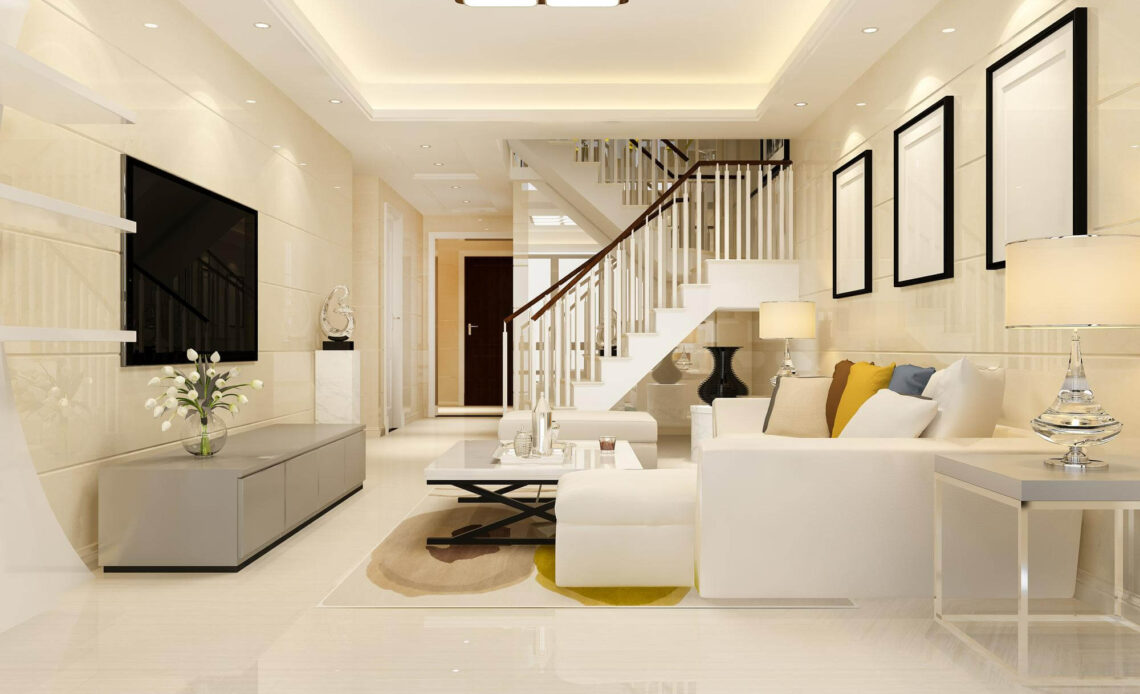
Giving your home a fresh look doesn’t have to drain your wallet. I’ve always believed that creativity and a little effort can go a long way in transforming any space. Whether you’re sprucing up your living room or adding charm to your bedroom, small changes can make a big impact without breaking the bank.
From clever DIY hacks to repurposing what you already own, there are so many ways to breathe new life into your home. If you’re ready to create a space that feels fresh, stylish, and uniquely yours, I’ve got some brilliant ideas that’ll inspire you to roll up your sleeves and get started.
Planning Your Budget-Friendly Home Makeover
Careful planning ensures a cost-effective and impactful transformation. Focusing on priorities helps maximize results while staying within budget.
Assessing Your Current Space
I start by evaluating the condition and functionality of each room. Identifying areas with noticeable wear or outdated elements is crucial. For example, faded walls or dated fixtures often indicate where changes are needed most. I also consider the overall layout and flow of the space to determine whether rearranging furniture would provide a quick refresh without any expense.
Setting a Realistic Budget
Creating a detailed financial plan helps avoid overspending. I allocate a specific amount for each project area to maintain focus and prevent unnecessary purchases. For instance, when revitalizing a living room, I set aside funds for paint, decor, and potential furniture upgrades. Factoring in both fixed costs like materials and variable costs like tools ensures all expenses are accounted for in advance.
Prioritizing Key Areas for Change
I target the spaces that receive the most use or make the largest visual impact first. High-traffic zones like living rooms and kitchens often benefit from minor updates such as new linens, lighting, or accent pieces. If time or budget is limited, updating focal points like a coffee table or backsplash creates noticeable improvements quickly and affordably.
10 Brilliant Ideas For A Budget Friendly Home Makeover
A home makeover can transform any space while staying within your budget. Each idea here offers a cost-effective way to refresh your home for maximum impact.
1. Revamp Walls With Paint or Wallpaper
Updating walls with color immediately enhances a room’s feel. Choose budget-friendly paint in trending shades like sage green or muted blue to create a modern atmosphere. Focus on one accent wall for a bold effect without spending too much. Install removable wallpaper for flexibility and patterns that elevate plain spaces. Look for options with peel-and-stick adhesives for DIY convenience. One gallon of paint typically costs $25–$50, making it an affordable way to revitalize larger surfaces.
2. Add New Lighting Fixtures or Bulbs
Updating lighting fixtures or bulbs improves a room’s functionality and elevates its visual appeal without exceeding a tight budget. Focus on versatile, cost-effective options to transform your space efficiently.
Affordable Lighting Options
- Install LED bulbs. LED bulbs consume less energy, last longer, and come in various color temperatures to match your decor. Standard LED bulbs typically cost $2–$8, making them a budget-friendly choice for replacing outdated incandescent bulbs.
- Use plug-in wall sconces. Plug-in wall sconces eliminate the need for hardwiring and add style to walls. With options starting at $25, they enhance lighting while keeping installation simple.
- Switch to pendant lights. Pendant lights create focal points in dining areas or kitchen islands. Affordable styles start at $30, offering modern flair to any space.
- Incorporate string lights or fairy lights. String lights work well in cozy spaces like bedrooms or patios. These cost as low as $15 and deliver warm, inviting illumination.
How to Use Light to Enhance Ambiance
- Layer light sources. Combine overhead lighting, task lighting, and accent lighting to create depth. Positioning desk lamps or reading lights alongside ceiling fixtures balances brightness across a room.
- Opt for dimmable solutions. Dimmable bulbs or fixtures allow control over brightness levels, setting the mood for different occasions. An average dimmable LED bulb is priced around $4–$12.
- Experiment with warm and cool tones. Cool white bulbs are suitable for workspaces or kitchens, while warm white tones are better suited for living rooms or bedrooms. Utilize these tones selectively to shift the room’s atmosphere.
- Highlight architectural elements. Use spotlights or LED strips to accentuate shelves, artwork, or alcoves for added character. Battery-operated LED strips, priced around $15–$25, offer an easy installation solution.
- Incorporating these affordable lighting updates reshapes how rooms are experienced, influencing their mood and functionality without straining your finances.
3. Rearrange Existing Furniture
Reorganizing furniture can dramatically improve a room’s functionality and aesthetic without any expense. By rethinking layout and purpose, each piece can enhance space efficiency and design.
Maximizing Space with Simple Layout Changes
Simple adjustments to furniture arrangements can make a room feel larger and more practical. I prioritize open pathways for better flow and avoid overcrowding areas with too many pieces. For example, I push larger items like sofas or beds against walls to free up floor space and create an open center. Rotating furniture orientations, such as angling chairs or aligning dining tables parallel to windows, can also provide visual balance and maximize light distribution.
Focal Point Placement Tips
Strategic furniture placement highlights a room’s natural focal points. I align key pieces like couches or entertainment units with central features like fireplaces or large windows. In bedrooms, I position beds against the longest wall to draw attention and create symmetry. For multi-functional spaces, I use rugs or smaller seating arrangements to build cozy zones that naturally guide attention to specific areas.
4. DIY Furniture Makeovers
Transforming furniture with simple DIY projects creates a refreshed look while saving money. By focusing on creative updates, old pieces can feel brand new.
Painting or Refinishing Old Furniture
Updating old furniture with paint or refinishing restores its charm. Sand the surface first to remove old finishes or imperfections. Apply a primer coat to ensure durability, followed by paint or wood stain in a preferred color or tone. For example, try chalk paint for a matte, vintage look or a high-gloss enamel for a modern vibe. Sealing the surface with a protective coat adds longevity to the finish. A $20–$30 quart of quality paint can update multiple smaller items like chairs or side tables, making this an affordable option.
Adding New Hardware for a Quick Refresh
Replacing hardware instantly elevates furniture’s style. For instance, swap plain knobs with decorative options like brass, glass, or ceramic pulls to add character. Measure existing holes before purchasing to ensure a proper fit. Affordable hardware options, often between $2 and $10 each, are widely available at home improvement stores. Adjusting hardware placement, like adding a centered bar handle on drawers, can update the overall aesthetic. These small changes significantly alter the appearance of wardrobes, dressers, or cabinets at a minimal cost.
5. Incorporate Affordable Art and Decor
Adding decor on a budget enhances your home’s style without high expenses. I focus on creating or sourcing cost-effective art and accessories.
DIY Wall Art Ideas
Creating wall art at home saves money and adds a personal touch. I use inexpensive materials like canvases, paint, and stencils to design abstract patterns or nature-inspired themes. For example, painting geometric shapes with painter’s tape creates a modern look. Framing fabric samples, such as unique patterns or textures, turns leftover fabric into custom artwork. I also repurpose items like old maps or sheet music by placing them in affordable frames from discount stores. Hand-stamping designs on paper or using pressed flowers between glass panels crafts simple yet elegant pieces.
Budget Shopping Tips: Thrift Stores and Online Deals
Shopping smart makes adding decor affordable and accessible. I explore local thrift stores for unique, gently used items such as picture frames, decorative mirrors, or ceramic vases. Searching clearance sections in stores and online often uncovers discounts on seasonal decor. Websites like Etsy and eBay feature low-cost handmade or secondhand art that fits various styles. I also look for flash sales or discount codes when shopping on major platforms like Amazon or Wayfair, which often list affordable wall hangings and decorations.
6. Update Textiles and Fabrics
Refreshing textiles and fabrics enhances a room’s aesthetics without requiring a large investment. Small updates like replacing curtains or adding throw pillows can dramatically rejuvenate the space.
Choosing Budget-Friendly Curtains, Throw Pillows, and Rugs
I recommend starting with curtains, as they frame windows and set the tone. Affordable options include lightweight cotton or polyester blends, often priced under $30 per panel, available in solid colors or subtle patterns. For throw pillows, buying separate covers instead of entirely new pillows reduces costs significantly. Covers priced around $10–$20 each can offer flexibility to update designs seasonally. Rugs transform floors and anchor rooms. Budget-friendly synthetic rugs in neutral tones or simple patterns, priced between $50–$150, work well in both living rooms and bedrooms.
How to Layer Textiles for a Luxurious Look
I suggest combining different textures and patterns to replicate a layered, high-end aesthetic. Use a soft base layer like a neutral area rug, then add a small accent rug, such as a woven or faux-fur piece, on top. For seating, mix fabrics such as velvet, linen, and knits when arranging throw pillows and blankets. Select complementary colors or patterns to maintain cohesion, like pairing bold geometric pillows with solid tones. This approach adds depth, warmth, and sophistication to any space without exceeding your budget.
7. Declutter and Organize
Clearing out clutter creates instant visual refreshment and enhances functionality without any expenses. Organizing spaces with existing items improves flow and makes your home feel bigger.
Tips for Efficient Decluttering
I begin by addressing one room or area at a time to avoid overwhelm and focus on visible clutter like countertops, shelves, and floors. Sorting items into three categories—keep, donate, and discard—helps streamline the process. For example, I place unwanted clothes in donation bags or recycle unused papers to immediately reduce excess.
Frequently used items remain accessible, while seasonal or rarely used items move to storage spaces. Labeling containers or creating a designated space for each category keeps items organized long-term. Revisiting these spaces every few months ensures clutter doesn’t accumulate again.
Using Storage Solutions You Already Own
Repurposed storage solutions help me organize effectively without spending extra. I use empty baskets, bins, and jars for grouping smaller items like craft supplies, toys, or pantry essentials. Repurposing shoe boxes and mason jars serves as budget-friendly ways to keep drawers and countertops tidy.
Maximizing vertical space by adding hooks to walls or reusing shelves increases storage capacity. For instance, storing scarves on an old unused rack or hanging kitchen utensils with adhesive wall hooks creates space without additional purchases. Using underutilized storage areas like under the bed or inside closet doors optimizes available space for bulkier items.
8. Add Indoor Plants for Freshness
Integrating indoor plants revitalizes any space by adding natural beauty and improving air quality. Choosing budget-friendly options and creative containers ensures affordability without compromising style.
Best Budget-Friendly Plants for Interiors
I recommend selecting low-maintenance, cost-effective plants to enhance your home. Snake plants and pothos grow well in various lighting conditions and cost between $10–$20 each. Spider plants and succulents, which thrive in small spaces, start at $5–$15. By adding a mix of greens, like peace lilies or parlor palms, it’s possible to vary textures and achieve a fuller look on a limited budget.
DIY Plant Pots and Containers
Repurposing items as plant holders saves money while adding a personalized touch. Mason jars, tin cans, and ceramic bowls create unique containers at no extra cost. Painting or wrapping them with twine or fabric enhances their visual appeal. For larger plants, I utilize thrifted baskets, wooden crates, or even upcycled buckets, transforming them into stylish focal pieces with minimal effort and expense.
9. Refresh Your Kitchen and Bathroom on a Budget
Making minor updates can transform the look of kitchens and bathrooms without overspending. Here are simple upgrades to revitalize these spaces affordably:
Swapping Cabinet Hardware
Changing cabinet hardware gives kitchens and bathrooms an instant refresh. I recommend browsing affordable options like knobs and pulls made of brushed nickel, matte black, or polished brass. High-quality hardware starts at $2–$5 per piece, making it a cost-effective investment. Replacing outdated handles is straightforward, requiring only a screwdriver. For cohesive style, match the new hardware’s finish with existing fixtures such as faucets and towel bars.
Adding Peel-and-Stick Backsplash or Counter Covers
Using peel-and-stick materials provides a budget-friendly way to update surfaces. These products mimic high-end finishes like tile, marble, and wood without professional installation. I advise selecting waterproof, heat-resistant options for durability in kitchens and bathrooms. Costs range from $5–$10 per square foot, with varieties available for walls and countertops. For example, subway tile stickers or faux granite wraps can dramatically enhance a space. These upgrades are renter-friendly, easy to apply, and removable without damage.
10. Improve Curb Appeal
Enhancing curb appeal creates a welcoming first impression without straining your budget. Simple, affordable updates can transform your outdoor space effectively.
Inexpensive Outdoor Decor Ideas
Adding outdoor decor elevates your home’s exterior affordably. Solar-powered pathway lights cost as little as $1–$3 per light and illuminate walkways or gardens beautifully. Bright, weather-resistant outdoor pillows priced around $15–$25 each can refresh seating areas on porches or patios. A DIY wreath using faux flowers or greenery, which totals between $10–$20, enhances your front door’s appearance. Incorporate window box planters, starting at $20, filled with seasonal flowers for vibrant color. These additions boost visual appeal while remaining cost-conscious.
Upcycling Items for Outdoor Spaces
Repurposing items enhances outdoor spaces sustainably and economically. Old wooden pallets, often free or under $10, can be transformed into vertical planters or seating. Mason jars, typically $1–$2 each, make excellent DIY lanterns when paired with tea lights or fairy lights. Repainting worn outdoor furniture with durable exterior paint, priced as low as $15 per quart, restores their charm. Turn unused tin buckets, costing $5–$10, into rustic plant holders. These upcycling projects add unique, functional elements at minimal expense.
Troubleshooting Common Challenges
Budget-friendly makeovers often come with unique challenges. Proactively addressing these issues helps maintain momentum and ensures a smoother process.
Finding Affordable Materials and Tools
Sourcing cost-effective materials and tools expands your possibilities without exceeding the budget. I explore secondhand options like thrift stores, garage sales, and local marketplace apps, which often feature discounted tools and gently used materials. For new purchases, I compare prices at discount retailers, home improvement stores, and online platforms, checking for coupons or sale events to save additional money. Renting specialized tools from tool-lending libraries or home improvement stores avoids unnecessary expenses on rarely used equipment. Additionally, I prioritize items with multi-functional uses, such as paints that work for both interior walls and furniture.
Avoiding Overwhelm During the Makeover Process
Breaking the project into smaller, manageable steps minimizes stress and keeps progress steady. I draft a detailed timeline, assigning specific tasks to each day or week based on priority and complexity. Tackling one area or project at a time, like refreshing a single wall or repurposing one piece of furniture, ensures focus stays consistent without taking on too much at once. To keep motivation high, I regularly assess progress and celebrate completed tasks, no matter how small. If I encounter unexpected issues like delays or limited resources, I adjust the timeline while maintaining the overall goals of the makeover.
Conclusion
Transforming your home on a budget is entirely possible with a little creativity and thoughtful planning. By focusing on small, impactful changes and embracing DIY solutions, you can create a space that feels fresh, stylish, and uniquely yours. Every detail, from updated textiles to repurposed decor, adds personality without overspending.
Remember, the process doesn’t have to be overwhelming. Break your projects into manageable steps, stay resourceful, and enjoy the journey of making your home a reflection of your style. A budget-friendly makeover isn’t just about saving money—it’s about reimagining possibilities and turning your vision into reality.
Frequently Asked Questions
How can I refresh my home on a tight budget?
Start by evaluating your space and setting a realistic budget. Focus on affordable updates like painting walls, rearranging furniture, incorporating DIY decor, or swapping out hardware. Small changes can make a big impact without overspending.
What are some budget-friendly DIY decor ideas?
You can create wall art using inexpensive materials like canvases, paint, or stencils. Repurpose old items such as maps or fabric into artwork. Check thrift stores or online deals for unique, affordable decorations.
How can I update my walls affordably?
Painting is one of the most cost-effective ways, with paint costing around $25–$50 per gallon. Alternatively, use removable wallpaper for a stylish and budget-friendly look.
How can lighting improve my home without breaking the bank?
Replace bulbs with energy-efficient LED options, add plug-in sconces, or use pendant lights and string lights to enhance ambiance. Experiment with layering and dimmable solutions for more depth.
What’s the best way to refresh furniture on a budget?
Consider DIY furniture makeovers like painting or refinishing old pieces. Replace outdated hardware like knobs or handles for a quick, affordable style upgrade.
How do I organize my home for free?
Declutter room by room, sorting items into keep, donate, and discard piles. Use existing storage solutions like baskets, jars, or repurpose items to maximize organization without spending.
What are some budget-friendly ways to decorate kitchens and bathrooms?
Swap cabinet hardware for affordable pieces starting at $2. Use peel-and-stick backsplash or counter covers for an instant upgrade, with prices ranging from $5–$10 per square foot.
How can I add plants to my home without spending much?
Choose low-maintenance, budget-friendly plants like spider plants, succulents, or pothos, costing $10–$20. Repurpose mason jars or tin cans as plant pots for a creative touch.
