
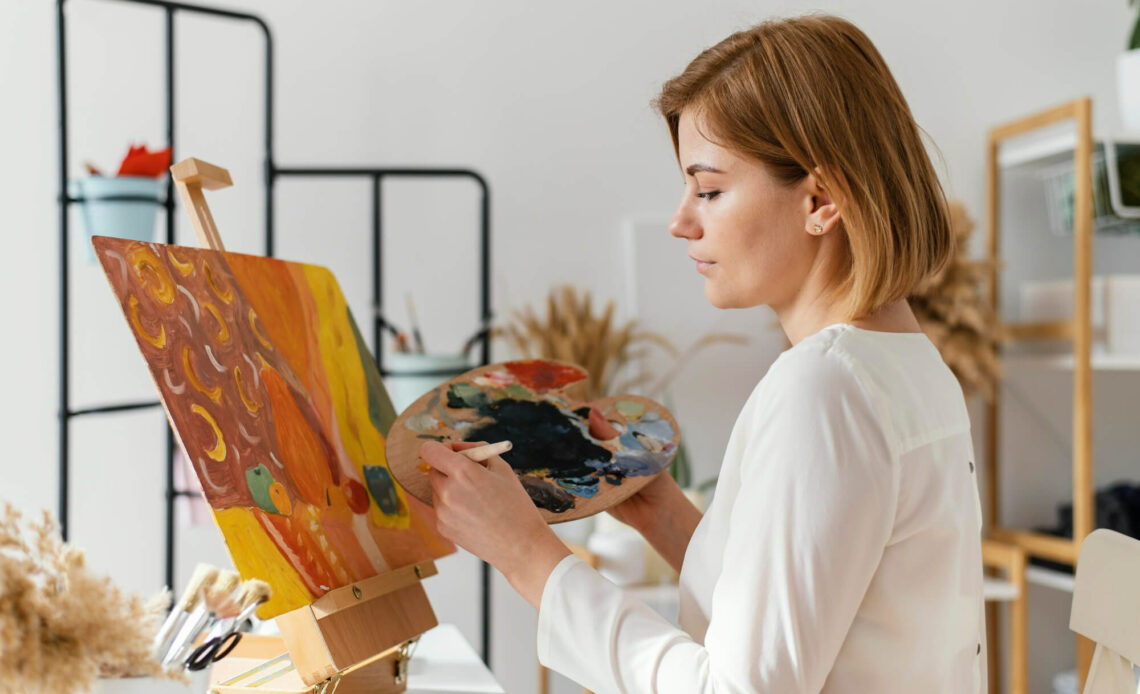
Picking up a paintbrush for the first time can feel both exciting and a little intimidating. I remember wondering where to start, what materials to use, and how to avoid making a mess. DIY painting is an incredible way to express creativity, transform your space, and even de-stress—all without needing to be a professional artist.
The beauty of DIY painting is that anyone can do it with a bit of guidance and the right tools. Whether you’re looking to refresh a room, personalize furniture, or explore artistic techniques, starting small and building confidence is key. Let’s dive into the basics so you can unleash your inner artist and tackle your first painting project with ease.
Materials And Tools Needed
Getting the right materials and tools is crucial for a successful DIY painting project. I recommend organizing these items beforehand to avoid interruptions.
Essential Painting Supplies
- Paint: Choose acrylic, watercolor, or oil paint based on your project. Acrylic is versatile for beginners due to its quick-drying nature.
- Paintbrushes: Use a variety of sizes and shapes, such as flat, round, and angled brushes, for different effects. A beginner set with 5–10 brushes works well.
- Canvas or Paper: Select a suitable surface like a pre-stretched canvas, canvas board, or sturdy watercolor paper depending on the type of paint.
- Palette: Use a wooden, plastic, or disposable palette for mixing colors.
- Water Container: Have a cup or jar for cleaning brushes when working with watercolor or acrylic paint.
- Rag or Paper Towels: Keep cloth rags or paper towels nearby for wiping excess paint or drying brushes.
Optional Tools For Better Results
- Easel: Invest in a tabletop or standing easel for better posture and stability while painting.
- Palette Knives: Use these for mixing colors or creating texture with acrylic or oil paint.
- Masking Tape: Apply tape for precise edges and to keep areas clean on your canvas or paper.
- Spray Bottle: Keep a small spray bottle to moisten acrylic paints, preventing them from drying too quickly.
- Painter’s Apron: Protect clothes from paint stains, especially during larger projects.
Preparing Your Workspace
Setting up a functional workspace is essential to achieve a smooth and enjoyable DIY painting experience.
Choosing The Right Location
I look for a well-lit space with enough room to move comfortably while working. Natural light is ideal, but bright artificial lighting works if natural light is limited. Ventilation is also critical, especially when using paints with strong odors like oils. I prefer a quiet and distraction-free area to stay focused.
Protecting Floors And Furniture
I cover the floors with drop cloths or old sheets to shield them from paint spills. For smaller projects, I work on a protected tabletop by laying out newspaper or plastic sheeting. I also move or cover nearby furniture with tarps to avoid accidental splatters, ensuring the workspace stays clean and damage-free.
Gathering All Necessary Items
I set up all my materials within reach before starting, including brushes, paints, water containers, and cleaning tools. If an easel is needed, I ensure it is stable and adjusted to a comfortable height. Additional items, such as paper towels for blotting, a palette knife for mixing, and masking tape for clean edges, are organized nearby to maintain productivity.
Choosing The Right Paint
Selecting the correct paint is essential for achieving desired results in any DIY painting project. Different types, colors, and finishes contribute uniquely to the outcome.
Types Of Paint
Different paint types serve various purposes and have distinct characteristics.
- Acrylic Paint: Dries quickly, is easy to use, and offers vibrant colors. Suitable for beginners creating on canvas, wood, or paper.
- Watercolor Paint: Requires mixing with water for application. Ideal for creating translucent layers on paper and softer, fluid effects.
- Oil Paint: Has a longer drying time and offers rich textures. Best suited for detailed work and layering on surfaces like canvas or wood.
How To Choose The Right Color
Choosing the perfect color depends on the mood or theme of the project.
- For calming effects, consider choosing lighter tones like sky blue or pastel green.
- To create energy or drama, use bold shades such as crimson or deep yellow.
- When matching interior spaces, select complementary or contrasting shades based on the décor.
Testing small swatches on the surface before committing aids in color accuracy.
Understanding Paint Finishes
Paint finishes determine the final look and texture of the project. Common finish types include:
- Matte Finish: Offers a flat, non-reflective surface, great for soft, muted visuals.
- Satin Finish: Features a slight sheen, suitable for subtle highlights and smooth surfaces.
- Glossy Finish: Creates a shiny surface, ideal for bold and vibrant aesthetics.
Considering the effect a finish creates helps achieve the intended visual impact.
Prepping The Surface
Proper surface preparation ensures smooth application and enhances the final appearance of any DIY painting project. I focus on creating a clean, even base before applying paint.
Cleaning The Surface
I remove dust, grease, and debris from the surface to promote paint adhesion. For walls or large areas, I use a damp cloth with mild detergent, drying it thoroughly after cleaning. On wood or metal, I gently sand the surface if needed to eliminate residues or gloss.
Repairing Holes And Cracks
I inspect the entire surface for imperfections like holes, cracks, or uneven textures. Using spackling paste or filler, I patch up small damages, smoothing them with a putty knife. For larger issues, I reinforce repairs with fiberglass tape or mesh before applying filler. After drying, I sand the area until it blends seamlessly with the surrounding surface.
Applying Primer
I use primer to create a uniform base and improve paint durability. Based on the surface type, I select the appropriate primer, such as latex for drywall or oil-based for stained materials. Applying primer evenly with a roller or brush, I ensure it dries completely before moving on to painting.
Painting Techniques For Beginners
Mastering foundational techniques is key to creating smooth and appealing finishes during DIY painting projects. Each method offers unique advantages depending on the task and surface.
Using A Brush Vs. Roller
I choose brushes for detail work and tight spaces, such as corners or molding. They allow precise control, especially with smaller sizes. Rollers cover larger, flat areas like walls quickly. For smooth finishes, foam rollers work best on furniture or cabinets, while thicker nap rollers add texture to walls or ceilings. Using both tools in combination ensures efficiency and accuracy.
How To Cut In Around Edges
I cut in by using an angled brush to create clean lines near edges, like baseboards, ceilings, or window trim. Starting a few inches away from the edge prevents excess paint buildup, and I slowly work toward the edge for precision. Keeping a steady hand and consistent pressure reduces uneven lines, and wiping excess paint off the brush avoids smearing.
Applying Paint Evenly
I load my brush or roller lightly by removing excess paint on the container edge or tray. Applying paint with even strokes in one direction prevents overlapping marks. For larger areas, I follow a “W” or “M” pattern to spread paint evenly before blending it with vertical or horizontal passes. When layering coats, allowing the first layer to dry completely avoids uneven textures.
Avoiding Common Streaks And Drips
I prevent streaks by maintaining consistent pressure and using high-quality tools, as cheaper brushes or rollers often leave marks. For drips, I avoid overloading tools with paint and check for excess before application. If a drip occurs, I smooth it immediately with a brush or roller. Working in thin layers rather than thick coats ensures a polished and even result.
Tips For A Professional Finish
Achieving a professional finish in DIY painting involves attention to detail and the correct application process. By focusing on techniques like layering, respecting drying times, and efficient cleanup, I ensure a polished result.
Layering Paint For Optimal Coverage
Applying paint in layers enhances coverage and creates a smooth, even finish. I start with a thin base coat, using consistent strokes to prevent buildup. After allowing the base coat to dry completely, I apply the second layer, using slightly more paint to achieve full coverage. When working with darker colors or textured surfaces, additional layers may be necessary. For detail work, I use smaller brushes to target specific areas.
Proper Drying Times
Allowing each layer to dry fully is crucial for durability and appearance. I check the manufacturer’s recommendations for drying times, which typically range from 1 to 24 hours depending on the paint type. Acrylic paint generally dries within 1-2 hours, while oil-based paints may require up to 24 hours. If the environment is humid or poorly ventilated, I adjust my timeline to account for slower drying.
How To Clean Up Like A Pro
Cleaning up efficiently prevents tools from deteriorating and ensures the workspace remains organized. I rinse brushes and palettes immediately with warm water and mild soap for water-based paints. For oil paints, I use mineral spirits or a paint thinner. Wrapping brushes in plastic or storing them upright maintains their shape. Disposable materials like drop cloths and painter’s tape are properly discarded, and all tools are returned to their designated places to keep the workspace ready for the next project.
Common DIY Painting Mistakes And How To Avoid Them
Avoiding common mistakes ensures a smoother painting process and a professional-looking finish. Understanding and addressing these errors leads to better results.
Skipping Surface Prep
Proper surface preparation improves paint adhesion and prevents uneven finishes. Cleaning the surface removes dirt, grease, or dust that could interfere with the paint’s ability to bond. I recommend using mild detergent with a damp cloth for general cleaning and sanding glossy or rough surfaces when necessary to create a receptive texture. Ignoring imperfections such as cracks or holes leaves visible flaws in the final coat. Filling these with spackling paste and sanding once dry ensures a smooth base. Skipping primer or not choosing one suited for your material reduces durability and consistency. Applying the right primer creates a uniform surface and enhances paint longevity.
Overloading Your Brush Or Roller
Excess paint on tools causes drips, uneven coats, and inefficient application. Lightly dipping just the tip of a brush into the paint or rolling a roller into the tray while removing excess paint avoids this problem. I find it useful to work in thinner layers to maintain even coverage and control. Heavy application can obscure details and lead to prolonged drying times. Repeating thin layers achieves consistent coverage and minimizes imperfections.
Not Using Painter’s Tape Correctly
Painter’s tape helps achieve clean, sharp edges when applied properly. Pressing it down firmly along edges prevents paint seepage and smudges. I check for gaps between the tape and the surface, especially on textured walls, to ensure crisp lines. Removing tape while the paint is still slightly wet reduces the risk of peeling the paint along with the tape. Leaving the tape on for too long results in adhesive residue or difficulty in removal, which could damage the surface.
Troubleshooting Common Issues
DIY painting often presents challenges, especially for beginners, but recognizing and addressing common issues ensures better results. Below are solutions for some frequent problems.
Fixing Uneven Paint Coverage
Uneven paint coverage typically stems from insufficient paint or poor technique. I recommend applying a thin, consistent base coat and letting it dry fully before layering additional coats. Use a high-quality primer to even out porous surfaces and promote uniform coverage. For noticeable streaks or patchiness, lightly sand the problem areas once dry, wipe off dust with a damp cloth, and reapply paint evenly using smooth, overlapping strokes.
Addressing Paint Drips Or Smudges
Paint drips or smudges can occur due to overloading the brush or roller. I use only a moderate amount of paint and ensure that tools are evenly coated before application. For an existing drip, let it dry completely, then sand it flush with the surface using fine-grit sandpaper. Afterward, clean the area, and repaint smoothly. Smudges from accidental contact can be addressed by lightly sanding and repainting in thin, precise layers.
How To Fix Touch-Ups That Don’t Match
Mismatched touch-ups are often caused by differences in paint texture or color fading over time. I recommend using the same paint type, finish, and application tool as the original coat. Blend the edges of the touch-up with the surrounding area by feathering the paint outward in light strokes. If the color still looks inconsistent, repaint the entire section or wall for a seamless appearance.
Conclusion
DIY painting is an incredibly rewarding journey that combines creativity, skill-building, and personal expression. Starting small, staying prepared, and embracing the learning process can make even the most daunting projects manageable.
With the right tools, techniques, and a bit of patience, anyone can create something beautiful while enjoying the satisfaction of a job well done. Remember, every brushstroke is a step toward mastering your craft and transforming your vision into reality.
Frequently Asked Questions
Is DIY painting suitable for beginners?
Yes, DIY painting is perfect for beginners! It’s a fun way to express creativity, transform spaces, and learn new skills. Start small, use basic tools, and build confidence as you practice.
What materials do I need for my first DIY painting project?
Essential materials include paint (acrylic, watercolor, or oil), paintbrushes, a suitable surface (canvas or paper), a palette, and a water container. For extra convenience, consider an easel, masking tape, or a painter’s apron.
How should I prepare my workspace for painting?
Choose a well-lit, ventilated, and distraction-free area. Protect floors and furniture with drop cloths or old sheets, and keep all supplies within easy reach for a smooth process.
What type of paint should I use for DIY projects?
It depends on your project! Acrylic is versatile, watercolor offers softer effects, and oil paints are great for rich textures. Choose based on the desired look and finish.
How do I prepare surfaces before painting?
Clean the surface with a damp cloth and mild detergent. Sand wood or metal surfaces if needed. Fix imperfections with spackling paste or filler and apply primer for a smooth, durable finish.
Are there tips for achieving a professional painting finish?
Yes, layer your paint with thin coats, allow ample drying time, and use clean tools. Techniques like cutting in, even application, and careful cleanup lead to polished results.
What are common DIY painting mistakes to avoid?
Avoid overloading brushes or rollers, failing to prep surfaces properly, and skipping primer. Applying thin, even coats and using painter’s tape can help avoid streaks or uneven edges.
How can I fix uneven paint coverage?
Apply a thin, consistent base coat and let it dry fully. Then, layer a second coat evenly to achieve smooth, even results without streaks.
