
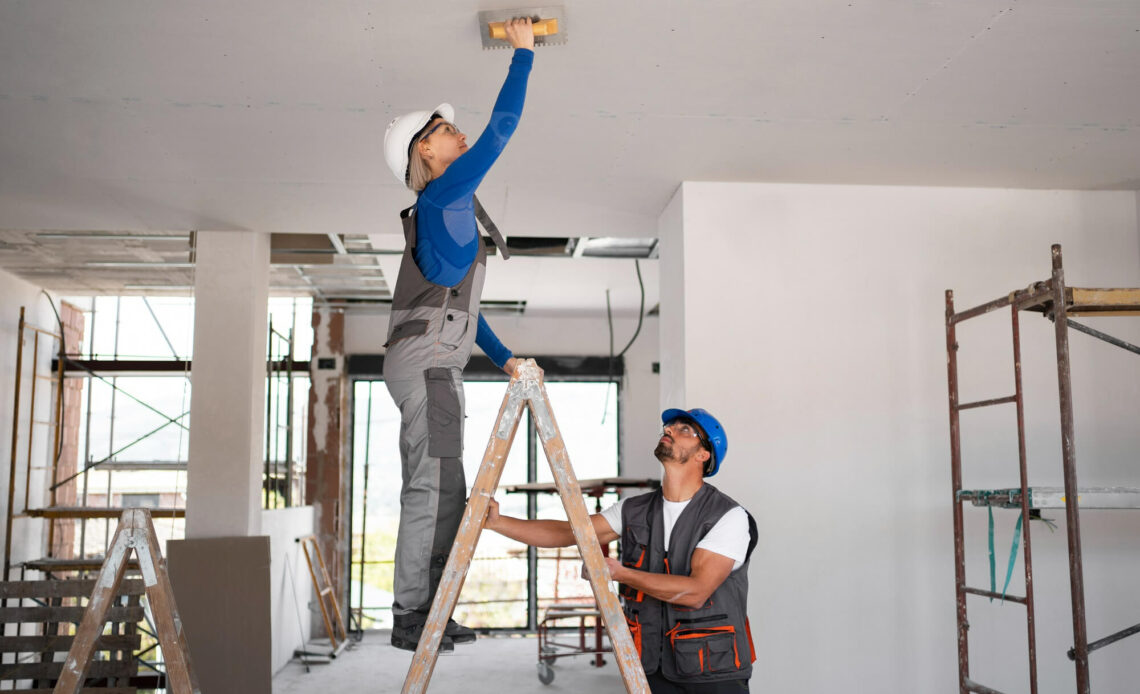
Home is where the heart is, but it can also be a canvas for creativity and improvement. Whether you’re looking to boost your property’s value or simply make your space more enjoyable, home improvement projects can transform your living environment. I’ve found that even small changes can make a big impact, breathing new life into tired rooms and outdated features.
From simple DIY tasks to larger renovations, the possibilities are endless. I’ll share some inspiring home improvement ideas that not only enhance aesthetics but also improve functionality. These projects can fit any budget and skill level, making it easy for anyone to get started. Let’s dive in and discover how you can elevate your home into a space that truly reflects your style and needs.
What Are Some Home Improvement Ideas
Enhancing living spaces invigorates homes and boosts property value. Here are several actionable home improvement ideas:
Paint Walls
Choose fresh, neutral colors to create a modern vibe. Applying a coat of paint rejuvenates the interior and exterior appearance.
Upgrade Lighting Fixtures
Install energy-efficient LED bulbs in stylish fixtures. Brightening up dark spaces with lighting solutions improves ambiance.
Replace Cabinet Hardware
Swap outdated knobs and handles for contemporary options. Updating cabinet hardware offers a quick, impactful change in kitchens or bathrooms.
Create an Open Concept Layout
Remove non-structural walls to establish a more spacious and inviting layout. Opening up areas promotes better flow and natural light.
Add Curb Appeal
Implement landscaping projects like planting flowers or trimming hedges. Enhancing the front yard boosts visual attractiveness.
Install Smart Home Technology
Integrate smart thermostats, lighting systems, and security cameras. Implementing technology increases convenience and energy efficiency.
Refinish Wood Floors
Sand and stain hardwood floors to restore their finish. Refinishing floors enhances aesthetics and increases durability.
Build a Deck or Patio
Construct outdoor living spaces for relaxation and entertainment. Adding a deck or patio expands usability and enjoyment of the backyard.
Update Appliances
Replace old appliances with energy-efficient models. New appliances not only improve functionality but also lower utility costs.
Install Backsplash
Add a stylish backsplash in kitchens for a focal point. Utilizing glass or tile options can transform the space with minimal effort.
Implementing these home improvement ideas transforms living spaces into personalized sanctuaries.
Interior Home Improvement Ideas
Transforming interior spaces can dramatically enhance the comfort and style of a home. Here are some specific improvement ideas.
Painting and Wallpapering
- Choose neutral colors for walls to create a modern aesthetic. Shades like soft grays or warm beiges promote versatility in decor.
- Accent walls with bold colors or patterned wallpaper add interest and dimension. This draws attention to focal points in a room.
- Use removable wallpaper for a temporary yet stylish upgrade. This allows for easy changes without much commitment.
- Consider textured finishes like stucco or sponging for a unique touch. This elevates standard wall treatments to create visual appeal.
Upgrading Lighting Fixtures
- Replace outdated fixtures with contemporary designs to enhance style. Choose fixtures that complement other design elements in the room.
- Install dimmer switches to create adjustable ambiance for various activities. This adds flexibility for dining, entertaining, or relaxing.
- Incorporate LED lighting for energy efficiency and longevity. Switching to LED decreases electricity usage and increases lifespan significantly.
- Add pendant lights over kitchen islands for functional decor. This combination offers task lighting while also serving as a design statement.
Flooring Renovations
- Refinish hardwood floors to revitalize their appearance. This process removes scratches and dirt, breathing new life into the wood.
- Opt for luxury vinyl planks as a durable and cost-effective alternative. Vinyl mimics the look of natural materials while being resistant to wear.
- Install tile flooring in high-traffic areas for easy maintenance. Tiles withstand moisture and are ideal for kitchens and bathrooms.
- Use area rugs to define spaces and add warmth. Rugs introduce texture and color, enhancing the overall interior design.
Kitchen Remodels
Kitchen remodels offer opportunities to elevate functionality and style in this central space. Consider the following elements for impactful updates.
Cabinet Refacing vs. Replacement
Cabinet refacing allows for an economical transformation of existing cabinetry. A new veneer or finish breathes life into worn cabinets while retaining the original structure. This option costs significantly less than a full replacement, often ranging from $1,000 to $3,500, depending on kitchen size.
Cabinet replacement entails removing old cabinets and installing new ones. This option provides maximum flexibility in layout and style but incurs higher costs. Expect to invest between $5,000 and $20,000, influenced by material choice and customization.
Deciding between these options hinges on budget, desired style, and the extent of damage to existing cabinets. Proper assessment maximizes both aesthetic value and cost efficiency.
Adding a Kitchen Island
Adding a Kitchen Island enhances both practicality and visual appeal. Islands serve as additional prep space and gathering spots, making kitchens more functional. Standard sizes range from 2 to 3 feet in width and 4 to 7 feet in length.
Choosing features such as built-in storage or seating enhances utility. Installing electrical outlets grants access to power for small appliances, while adding wine racks or open shelving promotes organization.
Choosing materials like granite or quartz provides durability and elegance. The investment can range from $2,000 to $5,000, depending on materials and custom features incorporated. A well-designed kitchen island becomes a focal point, significantly enhancing the overall kitchen experience.
Bathroom Upgrades
Bathroom upgrades enhance both functionality and aesthetics. Consider the following improvements to elevate your space.
Installing New Sinks and Faucets
Installing new sinks and faucets transforms bathroom aesthetics and operational efficiency. Choose modern vessel sinks or classic undermount sinks to suit the desired style. Select faucets with water-saving features for improved sustainability. Installation typically requires basic plumbing skills, tools, and approximately 2 to 4 hours for completion. New fixtures not only refresh your bathroom but also contribute to increased home value.
Shower and Tub Replacement
Shower and tub replacements can dramatically improve comfort and style. Opt for a walk-in shower for a luxurious feel or a soaking tub for relaxation. Common materials include ceramic, acrylic, and fiberglass, with options ranging from basic to high-end finishes. Budget approximately $1,500 to $10,000 based on material and labor costs. A modern shower or tub enhances the overall aesthetic of the bathroom while providing an inviting space for everyday use.
Exterior Home Improvement Ideas
Enhancing the exterior of a home can significantly boost not only curb appeal but also overall enjoyment of your living space. Here are some impactful ideas that create inviting outdoor environments.
Landscaping Enhancements
- Plant Native Species: Incorporate native plants for lower maintenance and enhanced biodiversity. Plants like echinacea and black-eyed Susans thrive with minimal watering and care.
- Install Pathways: Create defined walkways using materials such as stone, brick, or gravel. Pathways offer functional navigation while adding visual interest to your yard.
- Add a Fire Pit: Integrate a fire pit for warmth and gathering space during cooler evenings. Kits are available for straightforward assembly, while natural stone forms a rustic option.
- Incorporate Lighting: Use solar-powered landscape lights to illuminate pathways and highlight vegetation. Soft lighting enhances evening enjoyment and improves safety.
- Create Garden Beds: Design raised garden beds to elevate plants and facilitate care. These beds provide better drainage and can be crafted from wood, stone, or even recycled materials.
- Mulch and Edging: Apply mulch around plants to retain moisture and suppress weeds. Edging materials like bricks or metal form a clear border that enhances landscaping structure.
- Sod or Seed Lawn: Replace an outdated lawn with sod or seed for a fresh, green appearance. Choosing drought-resistant varieties reduces long-term maintenance.
- Install a Water Feature: introduce ponds or fountains for tranquility and beauty. Water features attract wildlife while providing soothing sounds.
Implementing these landscaping enhancements transforms an exterior space into a vibrant, inviting environment that reflects personal style and enhances overall aesthetic appeal.
Deck and Patio Additions
Deck and patio additions significantly enhance outdoor spaces, providing areas for relaxation and entertainment while increasing home value. Choosing the right materials plays a critical role in durability and aesthetics.
Selecting the Right Materials
Choosing suitable materials requires consideration of long-term performance and personal style.
- Wood offers natural beauty and warmth. Common options include cedar or redwood, known for their resistance to decay. Regular maintenance extends their lifespan.
- Composite materials combine wood fibers and plastic, providing a low-maintenance, durable alternative. Composite decking resists fading, splintering, and requires minimal upkeep compared to natural wood.
- Pavers provide versatility with various styles and colors. Made from brick or concrete, pavers allow for creativity in design while ensuring stability and longevity.
- Stone adds a luxurious touch. Options such as slate or granite deliver durability and elegance, although installation requires professional expertise and can be costly.
- Concrete is a budget-friendly choice. Versatile in design, stained or stamped concrete can mimic more expensive materials while offering excellent durability.
- Lighting materials include solar and LED options, enhancing safety and ambiance. Installation locations matter, with clear pathways and seating areas making the space functional after dark.
Selecting the right materials combines personal preference with practical considerations to create a beautiful, functional outdoor environment.
Exterior Painting and Repairs
Exterior painting and repairs enhance aesthetic appeal while protecting a home from the elements. This improvement requires planning and proper execution to achieve optimal results.
Step 1: Assess Condition
Assess the exterior surface carefully. Look for peeling paint, cracks, or rotting wood. Identify areas needing repairs to create a solid foundation for paint application.
Step 2: Choose Quality Paint
Choose high-quality exterior paint. Select a product designed for specific surfaces like wood, vinyl, or metal. Consider finishes such as satin, matte, or gloss based on desired appearance.
Step 3: Prepare the Surface
Prepare the surface adequately before painting. Clean the area with a power washer or scrub brush, removing dirt, grime, and mold. Repair any damaged areas with appropriate materials such as caulk for cracks or wood filler for rotting spots.
Step 4: Gather Necessary Tools
Gather necessary tools for the project. Include a paintbrush, roller, paint tray, drop cloths, and ladders for high spots. Ensure safety gear such as goggles and gloves is ready.
Step 5: Apply Primer
Apply a high-quality primer first. Use primer especially on raw or repaired surfaces to ensure better paint adhesion. Follow the manufacturer’s instructions for drying times.
Step 6: Paint the Exterior
Paint the exterior with chosen paint. Start at the top and work downwards to catch drips, applying even strokes. Use a brush for edges and a roller for larger surfaces to achieve a smooth finish.
Step 7: Inspect for Touch-Ups
Inspect the finished work for touch-ups. Look for uneven spots or missed areas requiring additional coats. Allow adequate drying time before applying any additional layers.
Step 8: Clean Up
Clean up the workspace thoroughly. Dispose of empty paint cans responsibly and clean brushes and rollers for future use. Store leftover paint in a cool, dry place for future touch-ups.
Step 9: Maintain Regularly
Maintain the exterior regularly to prolong the lifespan of the paint job. Inspect surfaces once a year for wear and tear, allowing for timely repairs and touch-ups as needed.
Roof Upgrades
Enhancing a roof can significantly impact a home’s energy efficiency and aesthetic appeal. Choosing the right upgrades reflects personal style while improving functionality. Below are several effective roof upgrade ideas:
Install Energy-Efficient Roofing
Select roofing materials designed for superior insulation. Options include metal roofing, which reflects heat and lowers cooling costs, or cool roofing materials that reduce heat absorption.
Add Roof Extensions
Implement roof extensions like awnings or overhangs to enhance outdoor living areas. These structures provide shade and protection from rain, increasing the usability of porches or patios.
Incorporate Skylights
Install skylights to increase natural light in darker spaces. These openings enhance energy efficiency by reducing reliance on artificial lighting and create a more inviting atmosphere.
Upgrade to Impact-Resistant Shingles
Choose impact-resistant shingles to protect against hail and wind damage. These durable options provide long-term savings by reducing the need for frequent repairs and replacement.
Implement Roof Ventilation
Ensure proper ventilation to prevent heat buildup in the attic. Adding ridge vents or soffit vents improves air circulation, prolonging the lifespan of roofing materials and reducing energy costs.
Enhance with Solar Panels
Incorporate solar panels into roof design for renewable energy generation. This investment decreases utility bills over time and adds significant value to the home.
Opt for Green Roofing
Consider installing a green roof featuring vegetation and soil. This eco-friendly option improves insulation, manages stormwater, and enhances biodiversity while providing an attractive visual element.
These roof upgrades can transform a home’s exterior while improving its performance and longevity. Each option offers a unique blend of aesthetic enhancement and functional benefits, allowing for a tailored approach to home improvement.
Energy Efficiency Improvements
Energy efficiency improvements significantly reduce utility bills and enhance home comfort. Focusing on insulation upgrades provides critical benefits for maintaining an optimal indoor climate.
Insulation Upgrades
Insulation upgrades enhance thermal performance and energy savings. Choosing the right insulation type includes options such as fiberglass batts for easy installation, spray foam for superior sealing, and cellulose for eco-friendliness. Assessing existing insulation may reveal gaps or deterioration, indicating a need for replacement.
Installing insulation in attics, walls, and basements results in improved heating and cooling efficiency. For example, insulating an attic can decrease heat loss by up to 25%, while insulating walls can save an additional 10-15% on energy bills. Selecting a high R-value insulation ensures maximum effectiveness, where R-30 to R-49 is ideal for attics, and R-13 to R-21 is suitable for walls.
Sealing air leaks around windows, doors, and other openings complements insulation efforts. Using weatherstripping and caulking enhances energy efficiency and indoor comfort. Investing in proper ventilation systems, such as attic vents, ensures moisture control and air quality.
Installing Energy-Efficient Windows
I focus on Installing Energy-Efficient Windows to enhance home comfort and lower utility bills. Energy-efficient windows minimize heat transfer, offering an effective solution for temperature regulation. The following steps outline the installation process for these windows.
- Assess window openings: Measure the width and height of the existing window frames accurately. Consider the replacement window size as most manufacturers provide precise measurements.
- Select window types: Choose from various energy-efficient window types such as double-glazed, triple-glazed, or Low-E (low emissivity) options. Double-glazed windows contain two panes of glass and offer significant thermal insulation, while Low-E glass reflects heat away, maintaining indoor temperatures effectively.
- Gather materials: Secure all necessary materials and tools, including new windows, shims, tape measure, leveling tool, insulation foam, and caulk for sealing.
- Remove existing windows: Carefully remove the old windows from their frames. Ensure to take proper safety precautions, protecting hands and eyes during the process.
- Install new windows: Place the new window into the opening, ensuring it is centered and level. Adjust with shims as necessary to maintain alignment.
- Seal gaps: Use insulation foam around the window frame to fill in any gaps. Apply caulk around the exterior seams for a weather-tight seal.
- Secure windows: Fasten the window as per manufacturer instructions. Utilize screws or brackets to ensure the window remains in position.
- Finish interior trim: Install or repair interior trim as needed, providing a polished look to the newly installed windows.
Following these steps leads to successfully installing energy-efficient windows, directly enhancing home aesthetics and efficiency.
Adding Solar Panels
Adding solar panels enhances energy efficiency and reduces utility costs. This improvement increases property value while contributing to environmental sustainability. I follow these steps to install solar panels effectively.
- Determine energy needs: Calculate total energy consumption by reviewing past utility bills. Identify peak usage times to optimize solar panel output.
- Evaluate roof suitability: Inspect the roof structure for age and condition. Confirm minimal shading from trees or buildings to maximize sunlight exposure.
- Research local incentives: Explore solar tax credits, rebates, and financing options available in my area. Programs vary by state and can significantly reduce installation costs.
- Choose solar panel type: Select between monocrystalline or polycrystalline panels based on budget and efficiency. Monocrystalline panels generally offer higher efficiency but at a higher price.
- Hire a certified installer: Seek recommendations to find experienced solar panel installers. Verify they have relevant certifications and licenses.
- Obtain necessary permits: Work with the installer to secure required permits from local authorities. Some cities may have specific regulations regarding solar installations.
- Schedule installation: Coordinate with the installer for a convenient installation date. Expect the installation process to take one to three days depending on system size.
- Connect to the grid: After installation, apply for grid connection with my utility company. This process allows for net metering, providing credits for excess energy produced.
- Monitor system performance: Use monitoring tools or apps to track solar energy production. Regularly check system performance to ensure optimal output.
By following these steps, I effectively integrate solar panels into my home, achieving energy savings and contributing to a sustainable future.
Smart Home Technology
Integrating smart home technology enhances convenience and control over living spaces. Implementing these technologies often leads to improved energy efficiency and security.
Automating Lighting and Thermostats
Automating lighting and thermostats offers efficient energy management and comfort. Smart bulbs allow adjustments in brightness, color, and schedules through smartphone apps or voice commands. Smart thermostats learn habits to optimize temperature settings and reduce energy usage. Users may experience energy cost reductions of up to 20% with proper configurations. Installation typically involves replacing existing fixtures and configuring the app.
Security System Upgrades
Upgrading security systems significantly enhances home safety. Smart cameras provide real-time surveillance and alerts via connected devices. Smart locks enable remote access control and notification of entry events. Advanced sensors monitor for unusual activity and environmental changes, alerting homeowners immediately. Investing in these upgrades often results in increased peace of mind and property value. Installation includes mounting cameras, configuring lock settings, and connecting devices to a central hub.
Smart Appliances
Integrating smart appliances into my home significantly enhances convenience and efficiency. Smart appliances connect to Wi-Fi and provide various features that improve everyday tasks. Here’s how to get started with smart appliances.
- Assess capabilities. Identify which appliances benefit most from smart technology. Refrigerators equipped with inventory management and alerts provide reminders about expiring food. Washers and dryers with remote controls streamline laundry routines.
- Research user reviews. Evaluate the available smart appliance models. Reviews from trusted sources reveal performance and reliability insights.
- Check compatibility. Ensure smart appliances seamlessly integrate with existing smart home systems, like Alexa or Google Home. Compatibility streamlines user experience and maximizes functionality.
- Install applications. Download the corresponding mobile apps for each appliance. These applications offer remote control options and provide notifications about maintenance needs.
- Secure Wi-Fi connections. Maintain security by updating firmware for each smart appliance regularly. Protect personal data from potential cyber threats.
- Utilize automation features. Schedule tasks for a more efficient lifestyle. For instance, set the oven to preheat or the washing machine to run while away from home.
- Monitor energy consumption. Use built-in energy tracking features to manage utility costs. Smart appliances can reduce energy usage by up to 30%, offering substantial savings on utility bills.
- Explore additional integrations. Discover features like voice controls or geofencing to enhance usability. Controlling appliances from a distance ensures optimal functionality and convenience.
Implementing smart appliances transforms daily routines, making life more manageable and efficient.
Budgeting for Home Improvements
Budgeting effectively for home improvements equates to achieving desirable results without financial strain. Focus on estimating costs, finding affordable contractors, and deciding between DIY projects and hiring professionals.
Estimating Costs
Estimating costs involves considering materials, labor, and unexpected expenses. Identify each item’s price range by conducting research online and visiting local stores. Break down projects into smaller components to establish a detailed budget. For example, a kitchen remodel may entail cabinets costing between $2,000 and $10,000, countertops ranging from $1,000 to $5,000, and appliances between $1,500 and $6,000. Always allocate 10% of the total budget for contingencies.
Finding Affordable Contractors
Finding affordable contractors requires thorough research and comparison. Seek recommendations from friends, family, and online reviews. Obtain multiple estimates, ideally from at least three sources. Verify each contractor’s credentials and previous work by requesting references. Utilize local directories and online platforms like Angie’s List or HomeAdvisor to find reputable professionals. Assess each contractor’s insurance and warranties, as these factors strongly influence overall value.
DIY vs. Hiring Professionals
Deciding between DIY projects and hiring professionals often hinges on skill level and project complexity. Evaluate each task’s requirements and determine personal capabilities. For straightforward tasks like painting or installing fixtures, DIY often saves money. For intricate projects involving plumbing, electrical work, or structural changes, hiring professionals ensures safety and quality. Weigh the time commitment against potential savings, as some projects may require extensive time and expertise that laypeople typically lack.
Troubleshooting Common Issues
Home improvement projects can encounter various issues that require attention. Addressing these common problems effectively ensures a smoother renovation process.
Dealing with Permitting Problems
Research local regulations to ensure compliance with zoning laws and building codes before starting projects. Obtain necessary permits from the appropriate authorities to avoid fines or project delays. Consult with local officials or a licensed contractor to clarify the requirements. Check timelines for permit approvals as these can vary significantly between jurisdictions. Document all communications and permits to maintain a clear record throughout the project duration.
Handling Unexpected Costs
Create a detailed budget plan prior to starting any project while considering all potential expenses. Set aside a contingency fund of 10% to 20% of the total budget to cover surprise costs. Research and include accurate estimates for materials and labor to reduce budgeting errors. Monitor ongoing expenses closely and adjust the budget as necessary to reflect actual costs. Communicate with contractors frequently to address any scope changes immediately to keep costs under control.
Conclusion
Home improvement is an exciting journey that can truly transform your living space. By implementing even a few of the ideas I’ve shared, you can enhance both the functionality and aesthetic appeal of your home. Whether you’re looking to upgrade your kitchen or create a serene outdoor oasis, there’s something for every budget and skill level.
Remember that the key is to choose projects that resonate with your personal style and meet your needs. With careful planning and creativity, you can turn your home into a space that reflects who you are while also increasing its value. So grab your tools and start making those improvements today!
Frequently Asked Questions
What is the importance of home improvement?
Home improvement enhances both the value and enjoyment of living spaces. Small changes can revitalize rooms and features, making them more functional and aesthetically pleasing.
What are some budget-friendly home improvement ideas?
Consider painting walls, upgrading cabinet hardware, or enhancing curb appeal with landscaping. These simple changes can significantly impact the overall look and feel of your home without breaking the bank.
How can I improve my kitchen efficiently?
Refacing cabinets is a cost-effective solution for a kitchen makeover. Adding a kitchen island can also improve functionality and style, providing additional storage and workspace.
What bathroom upgrades yield the best results?
Updating sinks and faucets can refresh your bathroom’s look while improving efficiency. Consider adding a walk-in shower or soaking tub for added luxury and appeal.
How can I enhance curb appeal?
Opt for landscaping enhancements like planting native species, creating pathways, or adding a fire pit. These options make your outdoor space inviting while increasing your home’s overall attractiveness.
What are effective materials for decks and patios?
Choose materials based on your style and maintenance preferences. Options include natural wood, low-maintenance composites, versatile pavers, and budget-friendly concrete.
How do I maintain my home’s exterior?
Regular inspections are crucial. Assess surfaces, use quality paint, and perform touch-ups as needed. A well-maintained exterior protects against weather damage and keeps your home looking great.
Why invest in energy-efficient windows?
Energy-efficient windows reduce heat transfer, improving comfort and lowering utility bills. They are a significant element in enhancing a home’s efficiency and overall aesthetics.
