

Keys are everywhere in our lives, yet we often overlook their incredible diversity and purpose. From unlocking doors to igniting engines or securing digital data, keys come in countless forms, each designed with a specific function in mind. Understanding these types not only helps us appreciate their utility but also reveals the fascinating ways they shape our daily routines.
I’ve always been intrigued by how something as small as a key can hold so much significance. Whether it’s a traditional metal key or a cutting-edge digital one, each type tells its own story. Exploring these 12 key types will shed light on their unique roles and why they’re essential in navigating our modern world.
What Are Keys?
Keys play a critical role in securing access to various spaces and assets. They exist in both physical and digital forms, each tailored for specific functions.
The Importance Of Understanding Different Key Types
Understanding the different types of keys enhances the ability to manage security and accessibility. Some keys, like house keys, focus on physical access, while others, such as encryption keys, are integral to protecting digital information. For example, mastering key differences aids in selecting the best key for personal or professional needs, ensuring efficient and secure use.
How Keys Are Used In Everyday Life
Keys perform vital tasks in everyday life, ensuring safety and functionality. Physical keys secure homes, vehicles, and storage units, while digital keys protect data, authenticate users, and enable encrypted communication. For instance, car keys provide ignition access, and software keys unlock licensed applications. Both forms contribute to modern convenience and security.
12 Key Types To Discover
Keys come in diverse forms, each designed for specific purposes. Exploring these types reveals their unique roles in both physical and digital realms.
1. Traditional Mechanical Keys
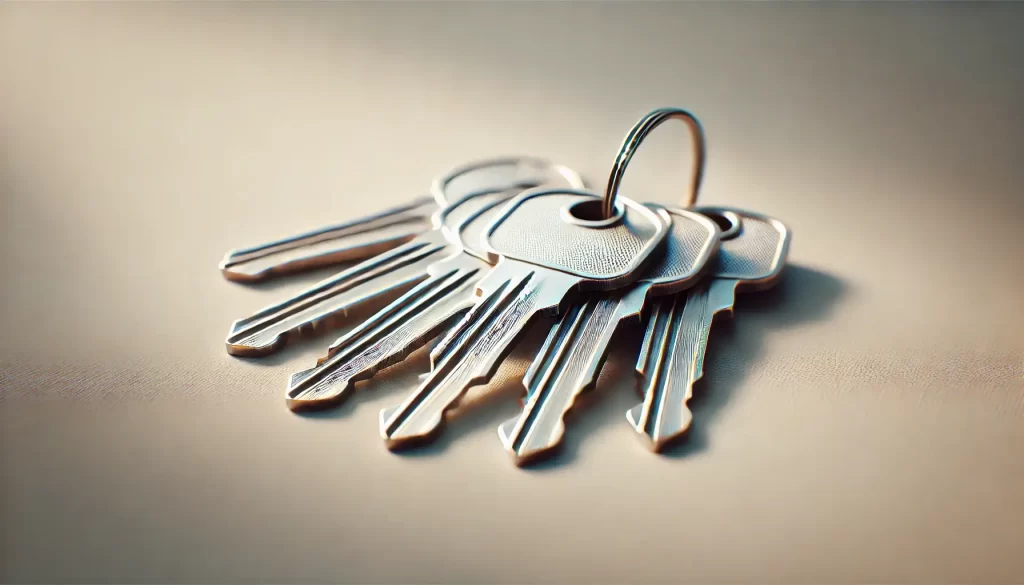
Traditional mechanical keys operate locks with precision-cut grooves. These include house keys, padlock keys, and office keys. Each key corresponds to a specific lock mechanism, ensuring tailored access control.
For example, residential house keys unlock door locks, while padlock keys secure valuables like storage units and lockers. Their durability and reliability make them a standard solution for physical security.
2. Skeleton Keys

Skeleton keys, historically important and still fascinating, served unique purposes that showcase the evolution of locks. These keys offer unique insights into older locking systems.
Historical Significance
Skeleton keys emerged as universal tools, designed to open multiple locks with simple warded mechanisms. Predominantly used in the 18th and 19th centuries, they optimized access in homes or businesses, eliminating the need to carry separate keys for similar lock types.
Wealthy households often relied on skeleton keys, securing interiors like bedrooms or storage rooms. Blacksmiths crafted these keys with slender shafts and minimal cuts, which bypassed individual ward designs while retaining compatibility.
Variations And Modern Use
Modern usage of skeleton keys has diminished, reserved mostly for antiques and collectors. Variations, such as barrel keys, fit specific older-style locks in vintage furniture or architectural designs.
Locksmiths also use replica skeleton keys for restoration and rekeying traditional locks. Today, skeleton keys symbolize craftsmanship and antiquity, creating functional solutions for safeguarding heritage items.
3. Master Keys
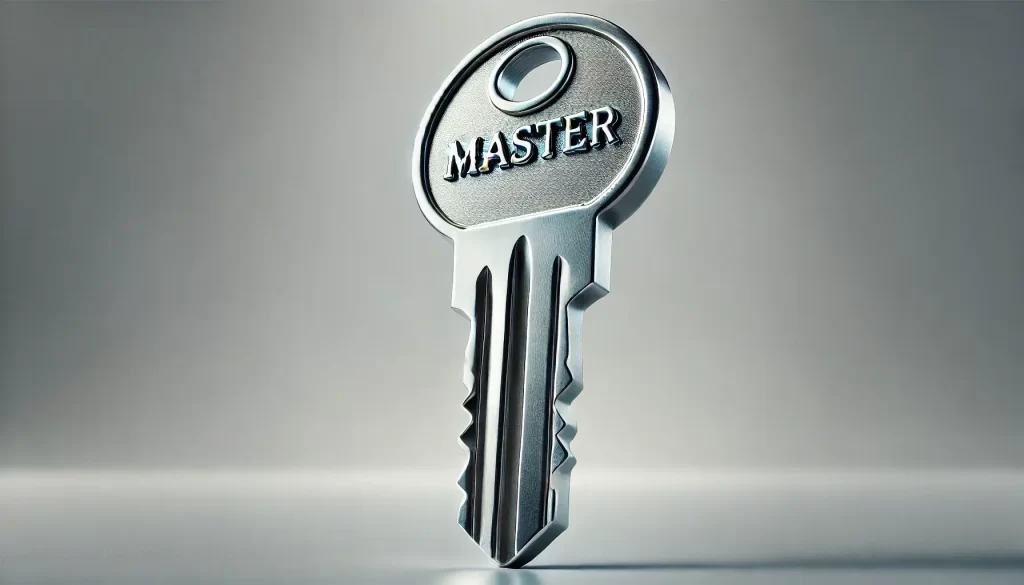
Master keys represent a sophisticated solution in access management systems. Their functionality enables convenience without compromising security in various settings.
How Master Keys Work
Master keys function by aligning with multiple lock mechanisms within a defined hierarchy. A lock hierarchy includes standard locks operated by individual keys and a master key designed to bypass these specific restrictions.
Each lock features unique internal pin or wafer configurations, but all share secondary mechanisms compatible with the master key. For example, in a hotel, individual room locks correspond to guest keys, while a master key unlocks them all, ensuring controlled access for emergency or operational needs.
This system relies on precision engineering to maintain security integrity while providing higher-level access. Only those with the master key hold the ability to unlock multiple locks, adhering to pre-established security protocols.
Advantages And Disadvantages
Advantages
- Streamlined Access Management: Minimized need for multiple keys reduces operational delays in multi-space facilities.
- Enhanced Emergency Response: Provides rapid access to locked areas for emergencies, such as fire or medical situations.
- Efficient Oversight: Facility managers or custodians can monitor and access secured areas effectively.
Disadvantages
- Increased Security Risk: Unauthorized access may compromise safety if a master key is lost or stolen.
- Complex Initial Implementation: Configuring a master key system demands precise lock modifications and planning.
- Dependence on Trust: Relies on keyholder accountability, making misuse or negligence a potential concern.
Master keys bridge convenience and security, particularly in environments requiring structured access control. Their utility spans industries, from hospitality to commercial facilities.
4. Transponder Keys

Transponder keys combine advanced technology and security, offering a modern solution for vehicle access. These keys integrate electronic components for enhanced theft prevention.
Technology Behind Transponder Keys
Transponder keys operate using a small microchip embedded inside the plastic head of the key. This microchip contains a unique, programmed code that communicates with the vehicle’s immobilizer system.
When the key is inserted into the ignition and turned, the chip transmits its code to the vehicle’s receiver. If the transmitted code matches the one programmed in the system, the engine starts. If the code does not match, the engine remains locked, effectively blocking unauthorized access.
These keys rely on RFID (Radio Frequency Identification) technology. The RFID chip in the key works with the vehicle’s antenna ring to enable secure communication. Transponder technology became standard in the 1990s, driven by manufacturers seeking solutions to rising vehicle theft rates.
Benefits For Security
Transponder keys provide an enhanced layer of security by making it significantly more challenging for thieves to bypass. Even if a mechanical copy of the key is created, it cannot start the vehicle without the correct transponder code. This feature reduces the risk of hot wiring or forced ignition, common methods used in vehicle theft.
In addition to theft deterrence, they integrate well with alarm systems. Vehicles with transponder keys often feature built-in alarm activation, further solidifying security. I credit this technology for shifting industry standards, as transponder keys improve vehicle safety while offering users peace of mind.
5. Smart Keys
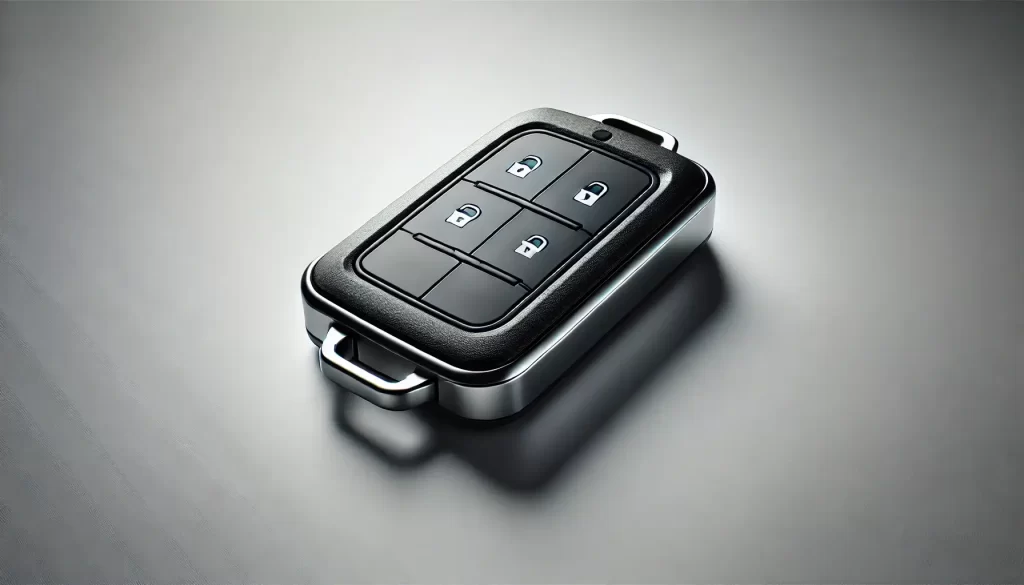
Smart keys merge convenience and security through advanced, keyless technology. These keys have become a vital part of modern access solutions, particularly in vehicles and high-tech environments.
How Smart Keys Operate
Smart keys use radio-frequency identification (RFID) or near-field communication (NFC) to interact with receivers within their designated systems. The embedded chip transmits encrypted signals to authenticate access.
In vehicles, for instance, the smart key communicates with the car’s onboard computer to unlock doors and enable push-button ignition. Proximity initiation ensures functionality when the key is within a specific range, eliminating the need for physical insertion. This wireless system exemplifies speed, ease, and a higher level of security integration.
Compatibility With Modern Technology
Smart keys integrate seamlessly with modern systems and IoT applications. Many devices, such as smartphones and smartwatches, emulate or sync with smart keys, enabling features like digital car keys that function through mobile apps. In residential settings, smart keys pair with smart home systems, automating access control and monitoring.
Updated software protocols and firmware enhance their interoperability, ensuring adaptability across multiple technical ecosystems. This compatibility reflects the evolution of security and access, aligning with contemporary demands for connected, intelligent systems.
6. Tubular Keys

Tubular keys, also called barrel or radial keys, feature a cylindrical design and are commonly used for specialized security needs. Their unique structure enhances resistance against certain lock-picking techniques, offering practical security solutions.
Ideal Use Cases
Tubular keys excel in securing vending machines, ATMs, and storage lockers. Their compact, cylindrical design integrates seamlessly with tubular locks commonly used in these devices. In bicycle locks, tubular keys offer reliability by pairing with weather-resistant mechanisms that protect against dirt and tampering. Additionally, they find usage in high-security cabinets for electronic devices, safeguarding valuable assets with precision-fit mechanisms.
Limitations Of Tubular Keys
Tubular keys, while robust for specific applications, face vulnerabilities stemming from widely available key decoders. These decoding tools reduce security effectiveness by replicating the key’s cylinder layout. Their thick, cylindrical design could limit portability compared to standard flat keys. Furthermore, repair and replacement costs for tubular locks can be higher due to their specialized nature.
7. Double-Sided Keys

Double-sided keys are characterized by their dual cutting patterns, which engage both sides of a lock’s internal pins. Their design offers enhanced functionality in various locking mechanisms.
Common Scenarios For Use
Double-sided keys provide reliable access control for residential and commercial properties. These keys are often found in locks securing entry doors, safes, mailboxes, and file cabinets. For example, I encounter double-sided keys in situations where added locking complexity is necessary to maintain better security. They serve well in high-traffic areas to ensure efficient locking performance without compromising security standards.
Differences From Regular Keys
Double-sided keys differ from regular single-sided keys by incorporating two distinct sets of grooves and cuts. By engaging both sides of the lock, they enhance security and minimize vulnerabilities to picking or forced entry. Unlike regular flat keys with one active side, double-sided keys enable smoother operation as they balance the wear evenly across the key’s structure. Their design also often accommodates deeper locking mechanisms, offering an extra layer of protection for critical spaces.
8. Dimple Keys

Dimple keys represent a modern innovation in physical security, combining unique aesthetics with practical functionality. These keys are widely used for residential, commercial, and high-security applications due to their advanced designs and precise engineering.
Unique Design
The design of a dimple key features a flat, rectangular blade with small, circular indentations or dimples on its surface. These dimples align with corresponding pin positions within the lock, utilizing vertical pin placements rather than the traditional horizontal system. This distinctive structure enhances the protection level against traditional lock-picking methods, as the mechanism operates with greater precision.
Manufacturers often produce dimple keys for locks requiring heightened security, such as those found in office buildings, safes, and restricted areas. Some models incorporate multi-row dimples or angled placements, further complicating unauthorized access attempts. Their smooth, polished blades make them compact and easy to carry while retaining their advanced functionality.
Benefits Of A Dimple Key
Dimple keys provide several significant advantages in modern security systems. Their design inherently resists manipulation and lock picking, offering improved security. The alignment of dimples and lock pins creates a complex mechanism that unauthorized individuals find challenging to bypass.
These keys also enable bidirectional use, allowing insertion into the lock from either side, which simplifies operation in low-light environments or when multitasking. The durability of their design results in a longer lifespan than standard keys, minimizing wear and reducing the frequency of replacements.
Dimple key locks often come with restricted key duplication rights, ensuring that authorized personnel exclusively control access. This added measure makes them suitable for applications requiring high levels of security, from research labs to personal safes.
9. Paracentric Keys

Paracentric keys deliver enhanced security through a complex design that resists tampering. Their structure directly reduces vulnerabilities in environments requiring heightened lock intricacy.
Specialized Design For Security
Paracentric keys incorporate uniquely shaped grooves and contoured cuts along their blades. These features interact with paracentric lock mechanisms, which include overlapping or tightly arranged wards within the lock cylinder. The close spacing and angled keyways significantly deter common manipulation techniques, such as lock picking or impressioning, by limiting direct tool access. Their intricate geometry exemplifies purpose-driven engineering, balancing security and functionality.
Typical Use Cases
Paracentric keys secure high-security environments where standard keys may not suffice. They are frequently employed in correctional facilities, such as prisons, to ensure the integrity of cell locks and prevent unauthorized entry. Additionally, industrial sites and restricted-access zones with critical infrastructure utilize paracentric locks to prevent security breaches. Their application extends to safeguarding sensitive areas where tamper resistance is essential.
10. Magnetic Keys

Magnetic keys use magnetic force for secure and efficient access control. These keys are integral in environments requiring modern, tamper-resistant solutions.
How Magnetic Keys Function
Magnetic keys interact with locks using magnetic codes rather than physical cuts. Each key has a unique magnetic pattern aligned with corresponding tumblers or components in the locking mechanism. As the magnetic field matches the lock’s configuration, it releases the mechanism to grant access. This type of functionality ensures precise access control while mitigating the risks of duplications associated with traditional keys.
Pros And Cons Of Use
Pros
- Enhanced Security: Magnetic keys resist physical tampering and lock picking.
- Durability: These keys lack mechanical grooves, reducing wear-and-tear risks.
- Lightweight Design: Compact and easy to carry daily.
- Versatility: Commonly used in secure facilities, hospitals, and restricted areas.
Cons
- Specialized Equipment: Losing a key may require dedicated systems for replacement.
- Cost: Higher production and system integration expenses compared to traditional keys.
- Dependence on Compatibility: Locks and keys must match specific magnetic coding.
Magnetic keys demonstrate the balance between technological innovation and secure functionality.
11. Abloy Keys

Abloy keys represent a pinnacle of locking technology with innovative features and exceptional durability. Their design prioritizes advanced security, making them a preferred choice in high-risk environments.
Advanced Security Features
Abloy keys incorporate a rotating disc cylinder mechanism, which eliminates traditional springs and pins. This design resists common lock-picking methods, such as bumping and drilling. The unique structure of Abloy keys ensures unmatched precision and reliability.
Specific security enhancements include patented key profiles that reduce the risk of unauthorized duplication and a smooth operation that withstands wear over prolonged use. These features collectively protect against tampering, reinforcing confidence in their use for critical applications.
Where To Use Abloy Keys
Abloy keys are ideal for high-security settings, such as government buildings, financial institutions, and industrial facilities. Their robust design also excels in outdoor environments, including critical infrastructure like utility stations and transportation hubs.
In commercial and residential contexts, Abloy keys secure safes, high-value storage units, and restricted areas requiring advanced access control. Their versatility and unparalleled security make them suitable across various industries and environments demanding consistent protection.
12. Custom Keys

Custom keys cater to specific needs by providing tailored security solutions. Their versatility and adaptability make them valuable across unique environments and applications.
Personalized Key Options
Custom key options are designed using individual specifications, ensuring they match distinct security goals. These keys often incorporate advanced features, such as unique cutting patterns, restricted duplication rights, or integrated technology like RFID chips.
Examples include high-security keys for safes, keys with personalized branding for businesses, and keys customized for antique or proprietary locks to maintain authenticity. These personalized designs enhance usability and security by offering a level of customization not available with standard key types.
When To Consider A Custom Key
Custom keys are ideal in scenarios requiring specialized security or compatibility. Consider them for environments where traditional keys fail to meet specific requirements, such as custom car locks, proprietary machinery, or unique architectural hardware.
Additionally, they work well for individuals or businesses demanding heightened control, such as assigning exclusive access to restricted areas. Custom keys also suit cases where existing lock designs need upgrades or replacements tailored to unique specifications.
Tips For Choosing The Right Key Type
Identifying the right key requires aligning it with specific needs and applications. Evaluate security priorities, key functionality, and maintenance practices to ensure lasting effectiveness.
Evaluating Security Needs
Security forms the foundation when selecting a key. I assess the environment, determining the level of access protection required. For high-security spaces like financial institutions or correctional facilities, I opt for solutions such as paracentric or Abloy keys to resist tampering and unauthorized access. If protecting valuable data or items against theft is the focus, magnetic or dimple keys deliver robust physical resistance.
Matching Key Features To Specific Applications
Selecting key features depends on their intended application. I consider factors like compatibility with locking systems and functional convenience. For vehicles, I prefer transponder or smart keys for advanced anti-theft measures and seamless operation. In residential and commercial settings, I use double-sided keys or tubular keys for a blend of security and ease. For antique furniture or collectibles, skeleton keys provide aesthetic and functional synergy.
Maintaining Keys For Longevity
Proper maintenance prolongs key functionality. I routinely inspect keys for wear and damage, replacing compromised options to avoid functional failure. For high-precision keys like dimple or Abloy keys, I use recommended care methods to preserve their intricate mechanisms. Additionally, I store magnetic keys away from other magnets to prevent loss of magnetic properties. Lost or damaged keys are replaced with authorized providers to maintain security integrity.
Common Issues With Keys
Keys can encounter various problems that compromise their functionality and security. Addressing these issues promptly ensures reliable performance and minimizes risks.
Troubleshooting Damaged Keys
Detecting damage early prevents further complications in key usability. Bent keys may cause difficulty when inserting or turning in a lock, often requiring careful straightening using tools like pliers. For keys with worn grooves, which hinder compatibility with the lock mechanism, replacement becomes necessary as wear compromises precision. Broken keys, especially if a piece remains lodged inside the lock, necessitate immediate professional extraction to prevent further damage to the lock itself. For preventative care, I inspect keys for visible wear or minor deformations to maintain optimal functionality.
When To Replace A Key
Key replacement becomes essential under specific circumstances to maintain security and usability. Lost keys, especially those providing access to sensitive areas, urge immediate replacement to prevent unauthorized entry. Replacement is also necessary for keys showing excessive wear, such as rounded or uneven cuts, that compromise lock interaction.
For duplications made from unreliable sources, switching to professionally cut keys ensures precise compatibility and security. I assess the condition and security risks of my keys regularly to determine optimal replacement timing.
Innovations In Key Technology
Advancements in technology have revolutionized how keys function and interact with modern security systems. Integration of digital solutions continues to redefine efficiency, security, and convenience in key technology.
Impact Of Digital Advancements
Digital advancements have transformed both the functionality and scope of what keys can achieve. Electronic keys, such as key cards and fobs, utilize radio-frequency identification (RFID) or Bluetooth to provide contactless access. This eliminates the need for traditional insertion, streamlining use in offices, hotels, and residential complexes.
Biometric keys, including fingerprint and facial recognition systems, offer unparalleled security by requiring unique physiological data for access. This prevents duplication and reduces reliance on physical objects, unlike conventional keys. Mobile key technology enables smartphones to act as virtual keys through app-based solutions, allowing remote locking, unlocking, and real-time monitoring. With these innovations, security systems are becoming increasingly user-friendly and adaptable to dynamic needs.
Future Trends To Watch
Emerging trends in key technology point to further integration of artificial intelligence and IoT (Internet of Things). AI-driven smart locks will analyze user behavior to enhance security and predict unauthorized access more effectively. Blockchain-based security systems are set to revolutionize digital keys by creating decentralized access management, ensuring data integrity and reducing risks of hacking.
Quantum cryptography may redefine key security standards, enabling virtually unbreakable encryption methods for digital systems. Additionally, eco-friendly materials and energy-efficient designs are gaining traction, addressing sustainability concerns without compromising durability or functionality. These trends highlight how key technology is evolving to meet future demands for advanced security and connectivity.
Conclusion
Exploring the diversity of keys reveals their profound impact on both our physical and digital worlds. Each key type, from traditional designs to cutting-edge innovations, offers unique solutions tailored to specific needs. This journey through their functions and advancements underscores how keys are more than simple tools—they’re essential to security, convenience, and progress.
By understanding their roles and the technology behind them, we can better appreciate their significance in daily life. Whether securing homes, vehicles, or sensitive data, keys continue to evolve, shaping the way we interact with the spaces and systems around us.
Frequently Asked Questions
What is the main purpose of keys?
Keys are tools designed to provide secure access to physical or digital assets. They ensure safety, control, and functionality, whether for locking traditional doors, securing valuables, or protecting digital data.
Why is it important to understand different types of keys?
Understanding different types of keys helps individuals choose the right security solutions for specific needs, enhancing both safety and convenience in daily life.
What are some examples of physical keys?
Examples of physical keys include traditional mechanical keys (like house keys), skeleton keys, master keys, tubular keys, double-sided keys, and dimple keys.
How do transponder keys work?
Transponder keys use a microchip to communicate with a vehicle’s immobilizer system, ensuring only the correct key can start the engine, thus preventing unauthorized access or theft.
What are smart keys used for?
Smart keys provide keyless access and advanced features like push-button ignition using RFID or NFC technology. They are commonly used in vehicles, homes, and smart technology systems.
What are dimple keys, and where are they used?
Dimple keys have small, circular indentations and provide enhanced security against lock-picking. They are often used in high-security applications such as safes and office buildings.
What are paracentric keys?
Paracentric keys have complex grooves designed to deter tampering and resist lock-picking. They are commonly used in high-security environments, such as prisons or restricted areas.
What is the benefit of magnetic keys?
Magnetic keys use unique magnetic patterns to ensure secure access control. They are durable, hard to duplicate, and commonly used in secure facilities.