
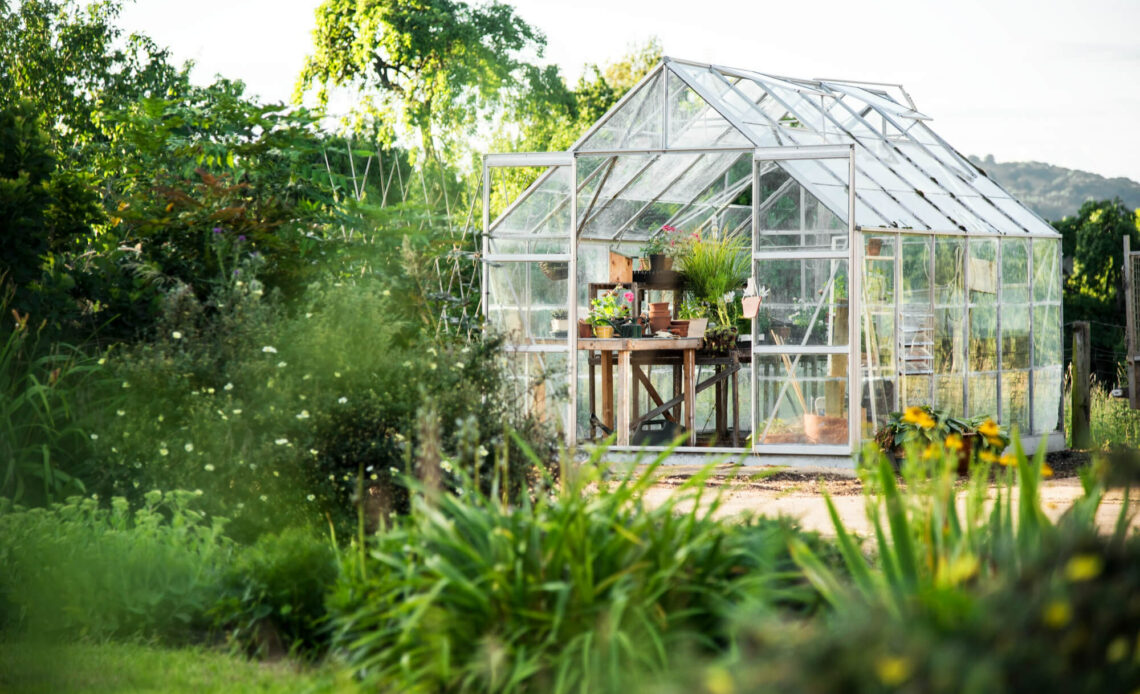
Designing a dream backyard is one of the most exciting ways to transform your outdoor space into a personal oasis. Whether you’re looking to create a peaceful retreat or a lively spot for entertaining, the possibilities are endless. With a little creativity and planning, your backyard can become an extension of your home that reflects your style and meets your needs.
I’ve always believed a well-designed backyard isn’t just about aesthetics—it’s about functionality too. From cozy seating areas to eye-catching landscaping, there are countless ways to make your outdoor space both beautiful and practical. If you’re ready to reimagine your backyard, I’ve got some creative ideas to inspire you and help bring your vision to life.
Idea 1: Create A Cozy Outdoor Living Room
Transform an open backyard corner into a cozy outdoor living room where relaxation and style intersect. Focus on practical materials and weatherproof furniture to ensure comfort and longevity.
Materials Needed For An Outdoor Living Room
- Outdoor seating essentials: Include sofas, sectionals, or lounge chairs made from materials like teak, metal, or all-weather wicker.
- Weatherproof textiles: Use fade-resistant cushions and waterproof fabrics for pillows and upholsteries.
- Durable flooring options: Opt for patio pavers, composite decking, or outdoor rugs designed to handle moisture and sun exposure.
- Lighting fixtures: Add outdoor string lights, LED lanterns, or wall sconces rated for exterior use.
- Shade solutions: Incorporate a canopy, pergola, or large market umbrella to provide sun protection.
Tips For Choosing Weather-Resistant Furniture
Prioritize materials that withstand changing weather conditions without frequent maintenance. Look for aluminum or powder-coated steel for frames, as they resist rust. Select teak or eucalyptus wood for durability and resistance to decay when properly sealed. Choose UV-resistant fabrics and quick-dry foam for all outdoor cushions. Verify product ratings or labels confirming weather resistance before purchase.
Idea 2: Build A Fire Pit Area
Adding a fire pit transforms any backyard into a year-round gathering space. Design a functional and inviting area for relaxation and entertainment.
Safety Tips For Building A Fire Pit
Ensuring safety is essential when building a fire pit. Choose a location at least 10 feet from flammable structures such as your house, fences, or trees. Opt for a non-flammable surface like gravel, bricks, or concrete for the base, avoiding grass or wood decking that poses fire risks. Incorporate a fire-resistant barrier such as a metal ring to contain and prevent sparks. Keep a water source, such as a garden hose or a fire extinguisher, nearby for emergencies. Verify compliance with local fire codes or regulations, as some areas may restrict open flames or pit sizes.
Alternative Designs For Small Backyards
Compact designs maximize functionality in limited spaces. Consider a smaller, portable metal fire pit that can be stored when not in use. A built-in corner fire feature saves space while integrating seamlessly into the backyard layout. Use vertical elements like tall planters or trellises as boundaries to enhance the area’s coziness without crowding the yard. Multifunctional fire tables double as a heat source and a surface for food or drinks, making them ideal for tight spaces.
Idea 3: Add A Water Feature
Incorporating a water feature into a backyard elevates its atmosphere, introducing serenity and sophistication. Flowing or still water creates a soothing ambiance while enhancing the visual appeal of the outdoor space.
Types Of Water Features To Consider
Choosing the right water feature depends on the backyard’s size, style, and desired effect.
- Fountains: Freestanding or wall-mounted fountains suit various backyard styles. For example, tiered fountains complement traditional designs, while sleek, minimalist fountains enhance modern layouts.
- Ponds: Backyard ponds offer natural aesthetics and can be enhanced with aquatic plants like water lilies or fish like koi. Adding a filtration system ensures water clarity.
- Waterfalls: Standalone or pond-connected waterfalls bring soundscapes to life. Options include rock-stacked designs for rustic themes or integrated metal spouts for contemporary spaces.
- Streams: Artificial streams wind through landscaped gardens, blending seamlessly with natural surroundings. Ideal for larger yards with layered designs.
- Bubbling Rocks: Compact and low-maintenance, bubbling rock features work well in small spaces and create subtle water movement.
Maintenance Tips For Water Features
Proper maintenance ensures long-lasting beauty and functionality.
- Water Quality: Using water treatments prevents algae growth and maintains balance, especially in ponds.
- Debris Removal: Skimming leaves and debris and cleaning filters prevent clogs in pumps and filtration systems.
- Winter Care: Covering smaller features or removing pumps protects them during freezing months.
- Pumps And Systems: Regularly inspecting and cleaning pumps ensures optimal water circulation and reduces wear.
- Sealing: Repairing cracks or leaks immediately prevents water loss and structural damage.
Idea 4: Design A Garden Pathway
A garden pathway adds structure and charm to any backyard, guiding movement while enhancing its overall aesthetic. Selecting the right materials and design is essential to create a pathway that complements your outdoor space.
Materials Needed For Pathways
The materials chosen for a garden pathway directly impact its visual appeal, durability, and functionality. Some of the most popular options include:
- Pavers: Concrete or stone pavers offer versatility and a clean, polished look. These are suitable for modern and formal garden settings.
- Gravel: Loose gravel provides an affordable and rustic option. Proper edging is required to keep the pathway defined.
- Stepping Stones: Natural stone or decorative concrete stepping stones blend well with lush greenery and casual designs.
- Mulch: Organic mulch like bark chips works well for informal pathways and is eco-friendly.
- Brick: Traditional bricks add a timeless and elegant touch suitable for classic garden designs.
- Wooden Rounds or Planks: Wood creates a warm, natural feel but may need weatherproofing for longevity.
Creative Pathway Designs For Different Aesthetics
The design of a pathway shapes the visual flow and unity of the backyard. Creative options include:
- Curved Pathways: Use soft curves to achieve a flowing, natural look. This style works well with gardens featuring organic shapes and abundant plants.
- Straight Lines: Opt for linear pathways for modern or minimalist designs, creating a structured and directed appearance.
- Patterned Layouts: Combine materials like pavers and gravel in patterns such as herringbone, checkerboard, or mosaic to add character.
- Stepping Stone Trails: Feature spaced stepping stones surrounded by grass, moss, or pebbles for an understated, whimsical effect.
- Layered Materials: Contrast textures by pairing gravel with wooden steps or bricks with decorative edging for added depth.
- Illuminated Pathways: Line paths with solar-powered lights to improve safety and add a magical evening ambiance.
- Themed Paths: Consider themes, such as Zen-inspired pathways with rocks and sand or cottage-style paths with flowering borders.
Strategically combine materials and designs to enhance both the utility and appearance of the backyard space.
Idea 5: Install Outdoor Lighting
Outdoor lighting enhances the backyard’s functionality and visual appeal, creating a captivating atmosphere for evening use.
Types Of Outdoor Lighting To Use
Exploring various outdoor lighting styles expands the options for designing versatile and appealing spaces.
- String Lights: Perfect for soft and ambient lighting. Ideal for draping over patios or between trees.
- Pathway Lights: Provide safety while accentuating garden pathways. Choose solar-powered or LED options for energy efficiency.
- Wall-Mounted Sconces: Add an elegant touch to walls or fences. Look for weather-resistant finishes and dimmable fixtures.
- Spotlights: Highlight trees, sculptures, or architectural elements. Adjustable models allow better precision.
- Lanterns: Portable options for tables or hanging areas. Select rechargeable or flame-style lanterns for added aesthetics.
- In-Ground Lights: Integrate into hardscapes or lawns. Popular for illuminating driveways or surrounding garden landscapes.
Placement Tips For Maximum Ambiance
Strategic light placement transforms the backyard, balancing ambiance with functionality.
- Layered Lighting: Combine multiple types, like string lights with spotlights, to create depth.
- Focus on Key Areas: Highlight seating zones, pathways, and key design elements like fountains or fire pits.
- Avoid Overcrowding: Limit fixtures to avoid harsh brightness.
- Use Vertical Space: Hang lights on taller structures to increase coverage without taking up ground space.
- Accent Focal Points: Angle spotlights towards decorative landscaping or water features to define focal areas.
- Adjust Brightness: Test dimmer settings for string and pathway lights during dusk for optimal glow levels.
Idea 6: Incorporate A Vertical Garden
Integrating a vertical garden adds beauty, functionality, and greenery to your backyard, even in limited spaces. It enhances visual appeal while maximizing vertical space for plants.
Materials Needed For Vertical Gardens
Choosing the right materials ensures the vertical garden is both durable and efficient. Essential items include:
- Vertical frames such as wooden trellises, metal grids, or modular plastic panels.
- Potting containers like hanging pots, recycled bottles, grow bags, or pocket planters.
- Mounting hardware such as hooks, brackets, or screws for stable installation.
- Watering systems including drip irrigation kits or self-watering mechanisms to maintain plant health.
- Potting soil suitable for your plant types, ensuring proper nutrients and drainage.
- Geotextile fabric or plastic liners to prevent soil erosion and protect surfaces.
- Fertilizers formulated for potted plants to support ongoing growth.
Plant Suggestions Ideal For Vertical Gardens
Selecting the right plants optimizes growth and aesthetic appeal in vertical gardens. Consider these plant types:
- Herbs like basil, thyme, parsley, and mint, offering culinary benefits.
- Ferns such as Boston fern or bird’s nest fern, ideal for shaded areas.
- Succulents like jade plants, echeveria, and sedum, requiring minimal maintenance.
- Vining plants including pothos, ivy, and philodendron, creating a lush effect.
- Flowering plants such as petunias, marigolds, or nasturtiums, adding pops of color.
- Leafy greens like lettuce, spinach, or kale, suitable for edible gardening.
Mixing these plant varieties balances functionality and aesthetics, ensuring a thriving vertical garden that fits your backyard style and space.
Idea 7: Set Up A Backyard Dining Area
Creating a backyard dining area combines functionality and aesthetic charm, offering a perfect space for meals, entertainment, and relaxation outdoors. With strategic planning, I ensure this area meets both style and comfort needs.
Tips For Choosing The Right Dining Set
Selecting the right dining set starts with evaluating the available space. Compact round tables with foldable chairs suit smaller backyards, while larger spaces accommodate rectangular tables with benches or chairs. I always choose weather-resistant materials like teak, aluminum, or powder-coated steel to enhance longevity in outdoor conditions.
I look for cushions made with fade-resistant, quick-drying fabric for added comfort and maintenance ease. For added usability, extendable tables and stackable chairs offer flexible seating arrangements for hosting different group sizes. Neutral tones, like beige or gray, pair well with outdoor surroundings, or I select vibrant colors for a more dynamic style.
Adding Shade For Outdoor Dining Comfort
Adequate shade transforms a backyard dining area into a more inviting and usable space. A freestanding umbrella with a sturdy base provides adjustable coverage and fits compact layouts. For a larger or defined zone, pergolas and shade sails create both shade and architectural interest.
I integrate natural elements by installing climbing plants or vines on pergolas for enhanced cooling and aesthetic appeal. Retractable awnings offer flexibility, allowing me to cover the area when needed. For enhancements during sunny days, I recommend choosing UV-resistant fabrics for shade solutions, ensuring optimal comfort and protection.
Idea 8: Create A Kid-Friendly Zone
Transforming a section of the backyard into a kid-friendly zone boosts family engagement and outdoor activity. Focus on safety and engagement to ensure a fun but secure environment.
Safe And Fun Features For Kids
Incorporating safe and engaging elements ensures kids enjoy the backyard without risks. Install features like rubberized play mats or synthetic turf to minimize injuries from falls. Include interactive equipment such as swings, slides, climbing walls, or sensory play stations that cater to various age groups. For younger children, add sandboxes or water tables, while older kids might prefer obstacle courses or trampoline zones. Use fences or natural barriers like hedges to designate play boundaries, avoiding hazards such as pools or fire pits. Ensure structures meet safety standards and undergo routine checks to maintain functionality.
Materials For Long-Lasting Play Equipment
Select durable, weather-resistant materials to build play equipment that withstands outdoor conditions. Use treated wood for a natural aesthetic and rust-resistant metal for strength and durability. Opt for HDPE (High-Density Polyethylene) plastic for slides or climbing components due to its UV-resistant properties and ability to endure various climates. Avoid sharp edges and prioritize smooth finishes to reduce injury risks. For anchoring equipment or building structures like treehouses, utilize galvanized steel hardware to prevent corrosion and extend lifespan. Regular maintenance like resealing wood or tightening fixtures ensures safety and longevity.
Idea 9: Include A Meditation Or Yoga Space
Creating a meditation or yoga space transforms your backyard into a sanctuary for mindfulness and relaxation.
Designing A Peaceful And Functional Spot
Establishing a secluded and tranquil area fosters focus and serenity during meditation or yoga sessions. Prioritize a flat, stable surface, such as a wooden deck or stone patio, to ensure balance and comfort. Use natural boundaries like hedges, bamboo screens, or lattice panels to create privacy. If space permits, incorporate shaded areas using pergolas or shade sails to reduce sun exposure during practice. Choose locations away from noisy elements, such as busy roads or loud water features, to maintain a calm environment.
Recommended Additions For Relaxation
Incorporating essential elements enhances comfort and usability in a yoga or meditation area. Add a weather-resistant yoga mat or outdoor cushions for ergonomic sitting and stretching. Include a small side table or bench to store items like water bottles, towels, or incense. Use soft outdoor lighting like lanterns or LED string lights for evening sessions. Surround the space with calming décor such as potted plants, wind chimes, or a compact water fountain to amplify tranquility. For additional shade, consider portable canopies or adjustable screens.
Idea 10: Plan A Multi-Seasonal Backyard
A multi-seasonal backyard combines comfort, adaptability, and aesthetics to create a space usable through all seasons. By integrating specific features and seasonal elements, the backyard transforms into a functional, year-round retreat.
Features For Enjoying All-Year-Round
Installing outdoor heaters, fire pits, or heat lamps. These elements add warmth in colder months while creating inviting gathering spots.
Adding a retractable pergola or canopy. These can protect against rain or intense sun, ensuring comfort in spring showers and summer heat.
Integrating hardy outdoor furniture with weather-resistant materials. Pieces like aluminum seating with cushions covered in outdoor fabrics retain durability across all weather types.
Implementing a drainage system under patios or pathways. This feature prevents water pooling during rainy seasons and ensures safe footing.
Using evergreen plants and shrubs in the landscaping. They provide greenery even during barren winter months, maintaining a fresh and attractive look throughout the year.
Seasonal Decor Ideas For Flexibility
Using interchangeable textiles. Switch throws, cushion covers, and rugs based on seasonal colors and textures, such as warm tones for autumn and light pastels for spring.
Incorporating holiday lighting. Add string lights or lanterns that match the festive season, like white lights for winter and vibrant colors for summer.
Adding portable garden accents. Items like decorative planters, statues, or wind chimes can be rearranged to align with seasonal themes.
Designing garden beds with rotating flowers. Plant blossoms such as tulips for spring, sunflowers for summer, chrysanthemums for fall, and poinsettias for winter to reflect seasonal beauty.
Adjusting theme-based décor. Modify table settings, centerpieces, or outdoor wall art to celebrate holidays or seasonal transitions.
Troubleshooting And Common Issues
Identifying and resolving common backyard issues ensures seamless functionality and aesthetic appeal. Proper planning and timely solutions can significantly enhance the usability of your outdoor space.
Addressing Drainage Problems
Effective drainage systems prevent water pooling, which can damage plants and structures. I recommend installing French drains, permeable pavers, or dry creek beds to channel excess water away from critical areas. Elevating problematic zones with gravel or raised beds can further improve drainage. If replacing soil, choose sandy or loamy varieties for better water absorption.
Dealing With Limited Space
Maximizing small backyards involves strategic layout and multifunctional features. Vertical gardens, foldable furniture, and built-in seating optimize available space without compromising usability. Mirrors placed on walls or fences create an illusion of depth. Designing designated zones for specific functions like dining or relaxation prevents overcrowding and maintains order.
Managing Backyard Pests
Implementing natural and preventive pest control measures protects your backyard ecosystem. I recommend companion planting with pest-repelling species like marigolds and basil to deter common backyard pests. Installing mesh covers or netting shields plants from insects without chemicals. Sealing cracks in fences and removing standing water minimizes breeding grounds for pests such as mosquitoes and ants.
Conclusion
Designing your dream backyard is an exciting opportunity to create a space that reflects your personality and enhances your lifestyle. By blending creativity with functionality, you can transform any outdoor area into a haven for relaxation, entertainment, and connection with nature.
Whether you’re envisioning a cozy retreat, a lively entertainment hub, or a serene sanctuary, the possibilities are endless. With thoughtful planning and the right features, your backyard can become a true extension of your home, offering comfort and beauty throughout every season.
Frequently Asked Questions
How can I start designing my dream backyard?
Begin by assessing your backyard space, setting a budget, and identifying your priorities. Decide how you want to use the space—entertaining, relaxing, gardening, or all three. Sketch a layout and research design ideas that match your vision.
What are the essential elements of a cozy outdoor living space?
Key elements include weatherproof seating, durable flooring, outdoor textiles, lighting, and shade solutions. Opt for materials suitable for outdoor use to ensure comfort and longevity.
How can I incorporate a fire pit into my backyard?
Choose a safe location away from flammable structures, use non-flammable materials for the base, and ensure adherence to local fire codes. Portable or compact designs work well for smaller spaces.
What maintenance is required for backyard water features?
Maintain water quality, remove debris regularly, inspect pump systems, and prepare the feature for winter. Regular upkeep ensures a long-lasting and beautiful water feature.
What materials are best for garden pathways?
Popular options include pavers, gravel, stepping stones, mulch, brick, and wood rounds. Choose materials based on durability, style, and budget.
How can I enhance my backyard with lighting?
Use layered lighting such as string lights, pathway lights, and spotlights. Focus on key areas, avoid overcrowding, and adjust brightness to create the perfect ambiance.
What is a vertical garden, and why should I add one?
A vertical garden is a space-saving way to grow plants vertically using frames, containers, or mounted systems. It adds greenery and style, especially in small backyards.
How do I create a comfortable outdoor dining area?
Choose a weather-resistant dining set that fits your space, add shade solutions like umbrellas or pergolas, and incorporate natural accents for added charm and comfort.