
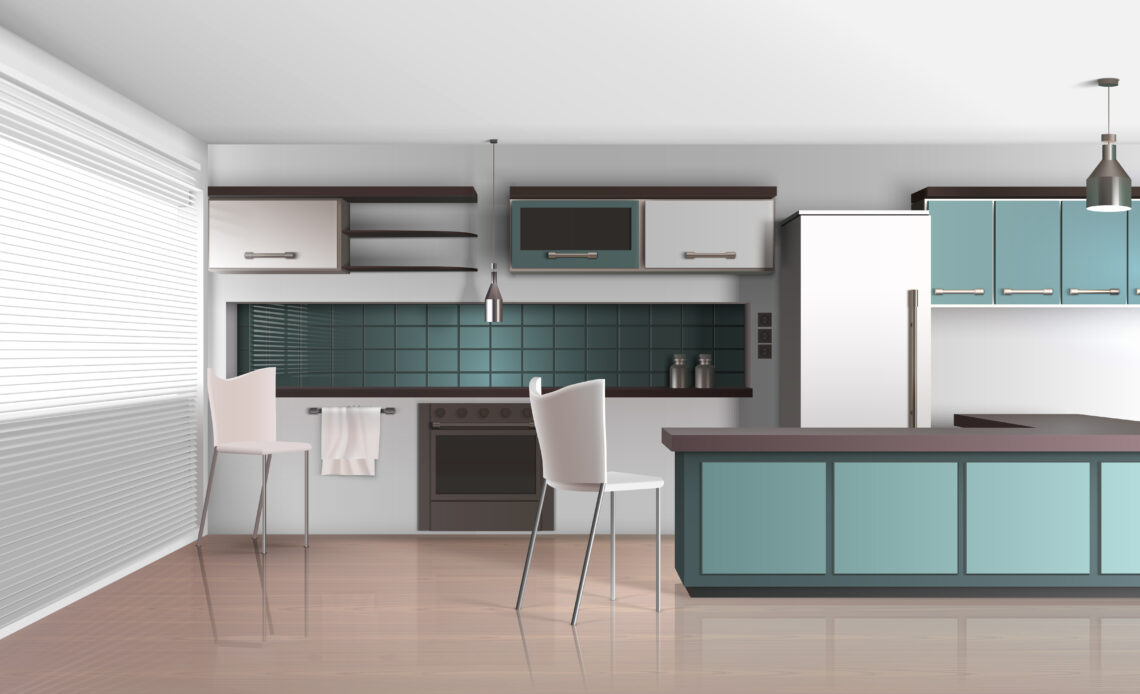
Designing a kitchen isn’t just about making it look good—it’s about creating a space that works for your lifestyle. Whether you’re whipping up quick weeknight dinners or hosting elaborate gatherings, the right design can make all the difference. A well-thought-out kitchen combines functionality, comfort, and style seamlessly.
I’ve learned that even small changes can transform a kitchen into a space you’ll love spending time in. From smart storage solutions to choosing the perfect layout, there are so many ways to make your kitchen both beautiful and practical. Let’s dive into the best tips and advice to help you create a kitchen that truly works for you.
1. Assess Your Kitchen Space
Understanding the unique characteristics of your kitchen space is essential for creating a functional and visually pleasing design. Start by carefully reviewing how the space is used daily.
Evaluate Your Needs and Lifestyle
I focus on how the kitchen accommodates my cooking habits and daily activities. For example, a frequent home chef may require additional counter space, while someone who primarily entertains might benefit from an open layout with seating. I also consider storage needs based on cookware, pantry items, and appliances.
Measure Your Kitchen Dimensions
I measure the length, width, and height of the kitchen to ensure every design element fits properly. For accuracy, I take note of doorway widths, window placements, and existing fixtures such as sink and stove positions. Gathering precise measurements helps me plan layouts and choose appropriately sized cabinets, islands, or dining tables.
Identify Problem Areas
I identify areas that hinder efficiency, such as limited storage, awkwardly placed appliances, or insufficient lighting. For example, if cabinets are challenging to access, I explore options like pull-out shelves or corner solutions. Recognizing these problem areas allows me to prioritize improvements that enhance the kitchen’s usability.
2. Choose The Right Layout
Selecting an effective kitchen layout improves workflow and enhances the use of available space. A well-planned design ensures efficiency and comfort during cooking and entertaining activities.
Explore Common Layouts: U-Shaped, L-Shaped, and Peninsula
Understanding the benefits of common kitchen layouts helps in making an informed decision.
- U-Shaped Layout: This layout works well in medium-to-large kitchens and offers generous counter and storage space. I prioritize this option when I need multiple work zones or separate cooking and preparation areas. Avoid this layout in narrow spaces, as it may feel confined.
- L-Shaped Layout: This versatile layout fits both small and large kitchens. I find it ideal for creating seamless workflow by connecting two adjoining walls and leaving open central space. Its flexibility allows for the inclusion of an island or dining nook, depending on preferences.
- Peninsula Layout: This layout combines an open feel with additional counter space by attaching a peninsula to a wall or cabinet. I recommend this for compact spaces where an island is not feasible but extra workspace is desired.
Open-Concept Vs. Closed Kitchens
Considering the dynamics between open-concept and closed layouts shapes the function and appearance of a kitchen.
- Open-Concept Kitchens: I choose an open-concept layout for its ability to integrate cooking spaces with living or dining areas, which is ideal for entertaining or family interactions. It creates a spacious, airy feel but may lack privacy and noise control during meal preparation.
- Closed Kitchens: Closed designs suit those valuing defined boundaries and reduced distractions during cooking. I find this layout advantageous for maintaining a dedicated cooking environment, although it may restrict visual openness and flow between adjacent spaces.
3. Optimize Storage Solutions
Efficient storage is essential for a functional kitchen. I focus on maximizing available space to keep tools, ingredients, and appliances accessible and organized.
Maximize Cabinet Space
I ensure cabinet interiors are fully utilized by incorporating adjustable shelves and stackable storage containers. Dividers help separate baking sheets, cutting boards, and lids to prevent clutter. Corner cabinets often waste space, so I install rotating lazy Susans or pull-out carousel systems in those areas.
Add Pull-Out Shelves And Organizers
Pull-out shelves improve visibility and access inside deep cabinets. These systems work well for storing pots, pans, and small appliances. Drawer organizers keep cutlery, utensils, and spices sorted; for instance, tiered spice racks can hold multiple jars without consuming excess space.
Utilize Vertical Storage Options
I use wall-mounted racks or magnetic strips for items like knives, utensils, and pot lids. Tall cabinets or open shelving above counters provide additional storage for infrequent-use items such as holiday dishware. Hooks or pegboards, placed on empty walls or the inside of cabinet doors, offer convenient spots to hang mugs or kitchen tools.
4. Prioritize Functionality And Workflow
Creating a functional kitchen involves ensuring a seamless workflow that complements daily tasks. Efficient layouts and purposeful designs contribute to an enjoyable and productive cooking experience.
Apply The Kitchen Work Triangle Concept
I recommend applying the kitchen work triangle to improve movement efficiency. This classic design principle connects the sink, stove, and refrigerator—the three most-used areas—with uninterrupted pathways. To enhance workflow, ensure each triangle leg measures between 4 and 9 feet while minimizing traffic through this zone.
For instance, if your sink is located near a window, position the stove and refrigerator within this triangle to streamline cooking and cleaning. Avoid hindrances like placing large furniture or islands that disrupt the triangle’s flow, especially in smaller kitchens.
Plan Efficient Prep, Cooking, And Cleaning Zones
Designating dedicated zones for preparation, cooking, and cleaning boosts functionality. Assign ample counter space adjacent to the sink and stove for prep work. Keep commonly used tools, such as knives and cutting boards, within reach of this area.
The cooking zone should accommodate pots, pans, utensils, and spices for easy access during meal preparation. Position these items near the stove to eliminate unnecessary movement. For the cleaning zone, arrange the dishwasher, trash bins, and cleaning supplies close to the sink. This layout prevents congestion and ensures a logical flow from prep to clean-up.
Maintaining clear boundaries between these zones reduces clutter and enhances kitchen efficiency.
5. Select Durable Materials
Choosing materials that withstand daily wear furthers both functionality and longevity in a kitchen. I focus on durability without compromising aesthetics.
Invest In High-Quality Countertops
Selecting countertops with robust materials ensures they endure heavy usage. Quartz, for example, resists scratches, stains, and heat, making it ideal for high-traffic kitchens. Granite offers unmatched durability and a timeless look when sealed properly to prevent staining. Solid surface materials like Corian provide seamless integration with sinks, reducing crevices that trap dirt. Prioritizing durability minimizes maintenance and keeps surfaces looking pristine.
Choose Stain-Resistant Flooring
Durable flooring resists staining, scuffing, and moisture damage. Porcelain tile stands out for its low porosity, durability, and easy cleaning. Luxury vinyl flooring delivers water resistance and a soft underfoot feel, ideal for prolonged kitchen activity. Hardwood provides warmth and longevity when finished with a protective sealant to guard against spills. For any option, I ensure the flooring mirrors the kitchen’s overall design while standing up to heavy foot traffic.
Opt For Long-Lasting Cabinetry
Cabinetry crafted from resilient materials ensures lasting function and style. Solid wood like oak or maple offers structural strength and enduring elegance. Plywood serves as an excellent alternative, outperforming particleboard in moisture resistance and load-bearing capacity. Quality finishes, such as UV-cured lacquer, protect against warping or fading over time. By selecting sturdy materials, I create a foundation that supports the kitchen’s daily operations efficiently.
6. Focus On Lighting
Proper lighting serves both functional and aesthetic purposes in a kitchen. A thoughtfully lit space enhances visibility and sets the mood.
Combine Task, Ambient, And Accent Lighting
Layered lighting designs improve functionality and atmosphere. Task lighting, such as pendant lights over islands or bright fixtures above countertops, ensures precision during food preparation. Ambient lighting, achieved through ceiling-mounted fixtures or recessed lights, provides general illumination for the entire kitchen. Accent lighting, such as LED strips along shelving or in glass cabinets, highlights decorative features and adds depth to the space.
Use Under-Cabinet Lighting For Extra Illumination
Under-cabinet lighting brightens workspaces and reduces shadows on countertops. LED strip lights or puck lights installed beneath cabinets directly illuminate food prep areas, improving practicality for tasks like chopping or measuring. This approach also increases energy efficiency by directing light exactly where it is needed without requiring full-room lighting.
7. Incorporate Smart Appliances
Integrating smart appliances into the kitchen can improve functionality and efficiency while adding a modern touch. Selecting innovative devices tailored to your needs creates a more streamlined cooking experience.
Choose Energy-Efficient Devices
Energy-efficient smart appliances consume less power and reduce utility costs over time. I focus on ENERGY STAR-rated refrigerators, dishwashers, and ovens to ensure optimal performance and energy savings. For instance, smart refrigerators allow me to monitor temperature control and inventory through a connected app, minimizing food waste. Smart dishwashers use sensors to adjust water usage based on load size, making them both economical and environmentally friendly. Selecting energy-efficient devices supports both sustainability and cost reduction.
Consider Built-In And Space-Saving Appliance Options
Built-in smart appliances conserve space and enhance a sleek, cohesive kitchen appearance. I include features such as built-in microwaves, drawer-style dishwashers, and under-counter beverage coolers for their practicality in compact layouts. For example, built-in microwaves eliminate countertop clutter, while drawer dishwashers integrate seamlessly into custom cabinetry for a minimalist design. Additional compact options like smart, multi-function ovens with app control maximize space while combining roasting and steaming functions. Incorporating space-efficient appliances allows for a clean design without sacrificing functionality.
8. Add A Design Statement
Incorporating a design statement elevates the kitchen’s visual appeal and creates a memorable impression. Select bold, distinctive features to reflect personal style and complement the overall aesthetic.
Use Backsplash As A Focal Point
Choosing an eye-catching backsplash can establish a focal point that enhances the kitchen’s personality. Materials like colorful tiles, patterned mosaics, and metallic finishes add depth and texture to the space. For example, a herringbone tile pattern in a bold shade draws attention, while mirrored or gold-finished tiles create a luxurious effect. Extending the backsplash to the ceiling, especially behind a range hood, adds dramatic height and visual continuity.
Integrate Unique Fixtures And Hardware
Incorporating unique fixtures and hardware makes the kitchen stand out. Statement pendant lights, such as oversized industrial designs or chandelier-style pieces, add flair and illumination. Cabinet handles and drawer pulls in contrasting finishes like matte black or brushed brass introduce subtle yet impactful details. For instance, selecting geometric-designed knobs or leather-wrapped pulls can provide an artistic touch while remaining functional.
9. Create A Comfortable Dining Space
A functional and inviting dining space enhances the kitchen’s usability and supports social connections. Thoughtful choices for layout and furniture create an environment that combines practicality with style.
Integrate An Island Or Breakfast Bar
I include an island or breakfast bar to maximize both dining and prep space. An island serves as a multi-functional centerpiece, offering seating, extra counter space, and storage options. For smaller kitchens, a breakfast bar works as a compact alternative, doubling as a dining area without overwhelming the layout. Adding electrical outlets to these features supports additional kitchen appliances, increasing versatility. Stools with low profiles fit neatly under the counter, preserving walkways and improving space efficiency.
Use Seating That Blends Form And Function
Ergonomic seating makes long meals and casual gatherings more comfortable. I select chairs with cushioned seats and supportive backs for a welcoming touch. In smaller kitchens, I opt for stackable or folding chairs for easy storage when not in use. Upholstery fabrics with stain-resistant finishes maintain a clean look, even with daily use. For contemporary designs, benches or banquettes work well, offering compact yet ample seating while maintaining seamless integration with the room’s flow.
10. Personalize With Finishing Touches
A kitchen feels complete when it reflects your style and personality. Small additions elevate the design while adding charm and character.
Use Stylish Decor Pieces
Decor items enhance the visual appeal of countertops and shelves. I recommend including functional yet attractive pieces such as ceramic canisters, textured cutting boards, and decorative bowls. Displaying cookbooks with aesthetic covers or vintage kitchen tools accents the kitchen while maintaining practicality. Wall art like framed prints, typography, or tiled murals also creates an inviting atmosphere.
Add Greenery For A Fresh Look
Plants bring life and freshness to kitchen spaces. I suggest incorporating easy-care options like succulents, herbs, or pothos. Herb planters on windowsills or floating shelves not only add greenery but also provide fresh ingredients for cooking. For larger kitchens, floor-standing planters or oversized leaves in simple vases make striking focal points. Choose plants that thrive indoors and withstand varying light conditions for ease of maintenance.
Incorporate Your Favorite Colors
Color adds vibrancy and cohesiveness to the kitchen. I prefer introducing favorite tones through smaller elements like textiles, ceramics, or hardware. Patterned rugs, colorful dish towels, or painted bar stools bring subtle charm. For a bolder touch, consider creating an accent wall or painting cabinet doors using shades that complement your theme. Allow these personal color choices to harmonize with existing finishes while making your kitchen uniquely yours.
Common Issues And Solutions
Addressing common challenges in kitchen design ensures a functional and visually cohesive space. Here are practical solutions to tackle frequent problems.
Dealing With Limited Space
Maximizing small kitchens involves strategic adjustments to optimize functionality. Installing vertical storage solutions like wall-mounted shelves, magnetic strips for utensils, or overhead racks adds extra storage without crowding the floor space. Multipurpose furniture such as foldable tables or extendable countertops can serve dual purposes. Choosing compact or built-in appliances like under-counter refrigerators or drawer dishwashers helps save space without sacrificing utility.
Staying Within Your Budget
Keeping kitchen design cost-effective requires strategic choices. Opting for cost-efficient materials such as laminate countertops or vinyl flooring delivers style and durability at a lower price point. Refacing instead of replacing cabinets preserves structural elements while refreshing the look. Prioritizing must-have features over aesthetic extras prevents overspending. Exploring second-hand options for appliances or fixtures can also significantly cut costs.
Avoiding Design Clashes
Maintaining a harmonious kitchen aesthetic involves careful selection of colors, materials, and finishes. Sticking to a cohesive color palette, such as neutral tones with subtle accents, ensures visual unity. Pairing complementary textures, for instance, matte cabinets with polished countertops, avoids stark contrasts. Aligning fixture finishes, such as coordinating faucet and drawer handle finishes, creates consistency. Selecting timeless designs for major elements prevents style incompatibilities when trends change.
Conclusion
Designing a kitchen that’s both functional and visually appealing is all about balancing practicality with personal style. By focusing on efficient layouts, smart storage, and thoughtful material choices, you can create a space that works seamlessly for your daily needs.
Remember, even small adjustments can make a big difference in how your kitchen feels and functions. Don’t be afraid to add touches that reflect your personality, whether through bold design statements or subtle decor.
Ultimately, the best kitchen design is one that enhances your lifestyle while making the heart of your home a space you truly enjoy.
Frequently Asked Questions
Why is kitchen design important?
A well-designed kitchen enhances functionality, makes cooking more enjoyable, and improves the overall aesthetic of your home. It ensures the space meets your cooking, storage, and lifestyle needs.
How can I improve kitchen storage?
Use solutions like pull-out shelves, rotating lazy Susans for corner cabinets, and adjustable shelves. Consider vertical storage options and multipurpose furniture for smaller spaces.
What is the kitchen work triangle?
The kitchen work triangle connects the sink, stove, and refrigerator to optimize efficiency by reducing unnecessary movement and improving workflow.
What are the best kitchen layouts for functionality?
Common layouts like U-Shaped, L-Shaped, and Peninsula designs improve efficiency. Open-concept kitchens are great for entertaining, while closed layouts offer a dedicated cooking space.
How do I choose durable materials for my kitchen?
Select high-quality, long-lasting materials such as quartz countertops, stain-resistant flooring, and robust cabinetry to ensure your kitchen remains functional and attractive over time.
What lighting works best in a kitchen?
A layered lighting approach is ideal, combining task lighting (e.g., under-cabinet lights), ambient lighting, and decorative fixtures to balance functionality and atmosphere.
Can I personalize my kitchen without major renovations?
Yes, add finishing touches like stylish decor, greenery, colorful accents, or unique fixtures to reflect your personality without costly changes.
How do I design a small kitchen effectively?
Maximize space by using vertical storage, multifunctional furniture, and compact appliances. Stick to a cohesive design to make the space feel more open.